


تعتمد المباني الفعالة في استخدام الطاقة بشكل كبير على مدى عمل أنظمة الزجاج الخاصة بها. بالنسبة للمقاولين ، يمكن لمعرفة كيفية تأثير وحدات الزجاج المعزول منخفضة الكهرباء (IGU) على الراحة الحرارية والتحكم الشمسي والمتانة تغيير نتائج المشروع. أفضل اختيار للزجاج يفعل أكثر من خفض تكاليف الطاقة. إنه يشكل المبنى’ الاستدامة الدائمة وكيف يشعر الناس في الداخل.
ماذا يعني IGU؟
إن وحدة الزجاج المعزول (IGU) هو إعداد مع عدة طبقات زجاجية. يهدف إلى تعزيز العزل وتقليل حركة الحرارة. وحدة الزجاج المعزول (IGU) ، المعروفة أيضًا باسم وحدة الزجاج المزدوج ، أو وحدة الزجاج الثلاثي هي نوافذ زجاجية مزدوجة أو ثلاثية مفصولة عن طريق مساحة مليئة بالهواء أو الأرجون للحد من نقل الحرارة من خلال نظام الزجاج. كل شاشة تنضم إلى الحواف مع مسافة. يشكل هذا المساعد مساحة مغلقة ، غالبا ما تكون مليئة بالهواء أو الغاز غير الضار. هذا الإعداد يعزز المقاومة الحرارية.
يتيح هذا التصميم للوحدات IGU القيام بأفضل بكثير من الزجاج الواحد في الحفاظ على درجات الحرارة الداخلية ثابتة. يستخدمها الناس في النوافذ وجدران الستائر والأنابيب. هذه الأماكن موجودة في المنازل ومباني الأعمال على حد سواء. النتيجة ليست فقط عزل أفضل. كما يعطي مساحات هادئة وأقل مشاكل مع تراكم الرطوبة.
دور الزجاج المنخفض في IGU
منخفض-E يعني “ انبعاثات منخفضة. ” يشير إلى طبقات معدنية رقيقة جدا وضعت على الأسطح الزجاجية. هذه الطبقات ترتد مرة أخرى الأشعة تحت الحمراء. وفي الوقت نفسه، يسمحون للضوء المرئي بمرور. COMF-E المثالي هو جيل جديد من وحدات IGU الزجاجية لاندسون التي تقدم أداء مثالي عن طريق طلاء منخفض E [الانبعاث]. الطبقة تقطع حركة الحرارة. يبقي الغرف أكثر دفئا في الأشهر الباردة وأكثر برودة في الأشهر الساخنة. ويفعل ذلك دون منع الضوء الطبيعي.
بجانب الزجاج الواضح العادي ، يزيد الزجاج المغطى ب Low-E من توفير الطاقة كثيراً. يحتفظ بدرجات حرارة داخلية ثابتة. بالإضافة إلى ذلك ، فإنه يقلل من العمل لأنظمة التدفئة أو التبريد. حتى أنه يقلل من تلاشي اللون في الأثاث من الأشعة فوق البنفسجية.
عوامل الأداء الرئيسية لـ IGUs منخفضة الإلكترونية
تأتي مدى عمل IGUs Low-E من العديد من الأجزاء المرتبطة. هذه تتراوح من خصائص العزل الحراري إلى مكافحة الرطوبة.
العزل الحراري وكفاءة الطاقة
طبقات منخفضة E لها مهمة كبيرة في إدارة تدفق الحرارة في إعدادات الزجاج. في المناطق الباردة ، ترسل حرارة الغرفة إلى الداخل. في الأماكن الساخنة، إنها توقف الكثير من الحرارة من الشمس. هذه المساعدة في اتجاهين تقلل من الحاجة إلى أجهزة التدفئة أو المبردات على مدار السنة.
علامات مثل قيمة U تظهر سرعة تدفق الحرارة. يظهر SHGC كم تدخل حرارة الشمس. هذه هي الطرق الرئيسية للحكم على مدى كونها جيدة. قيمة U أصغر تعني عزل أقوى. SHGC أصغر يعني تحكم أفضل في حرارة الشمس.
لإظهار كيف تختلف الإعدادات في العمل ، إليك القليل من زجاج لاندسونبيانات سلسلة COMF-E® Optimum:
| نوع المنتج | قيمة U (الشتاء) | شركة SHGC | نقل الضوء المرئي (٪) |
| 24 مم واضح DGU | 2.54 | 0.74 | 80.2 |
| 24 مم COMF-E ULTRA | 1.65 | 0.61 | 74 |
| 24mm COMF-E الشمسية الرمادية | 1.65 | 0.25 | 21.6 |
بالنسبة للمقاولين الذين يطاردون شارات خضراء أو قواعد توفير الطاقة مثل LEED أو BREEAM ، يمكن أن تؤدي هذه المكاسب مباشرة إلى نقاط للموافقة. كما أنها تجلب وفورات في تكاليف التشغيل مع مرور الوقت.

التحكم الشمسي ونقل الضوء
العثور على المزيج المناسب من ضوء النهار والتحكم في الشمس هو مهمة رئيسية في التصميم الأمامي. الكثير من الشمس يمكن أن تجعل المساحات مشرقة جدا أو دافئة جدا. عدم كفاية الضوء يعني المزيد من الحاجة إلى أضواء مزيفة. تختلف طبقات E المنخفضة في أنواع ، مثل الفضة الواحدة أو الفضة المزدوجة أو الفضة الثلاثية.
كل واحد يعطي توازن مختلف من مرور الضوء وترتد الشمس. الطبقات مع مستويات أكثر غالبا ما تعطي التحكم الشمسي أكثر صرامة. لكنهم قد يقللون الضوء قليلا. خيارات ارتداد عالية تناسب البقع الدافئة والاستوائية. خيارات مع المزيد من الضوء تناسب المناطق المعتدلة. هناك، الحصول على المزيد من ضوء النهار يعد أكثر من منع الحرارة.
مقاومة التكثيف والمتانة
تراكم الرطوبة يمكن أن يضر المظهر والقوة إذا لم يتم التعامل معها بشكل صحيح. IGUs جيدة تقلل من هذه الفرصة. تبقي الأسطح الزجاجية الداخلية دافئة حتى في الأوقات الباردة. تعبئة الغاز مثل الأرجون أو الكريبتون تساعد أكثر. يبطئ حركة الهواء في الفضاء بين الزجاج. ختمات الحافة مهمة جدا أيضا. إذا كسروا، يمكن للماء أن يدخل، وهذا قد يحجب الوحدة في وقت لاحق.
أنواع الفاصل الألومنيوم ، الفاصل الحافة الدافئة ، الفولاذ ، الفولاذ المقاوم للصدأ - كل اختيار يغير الجسر الحراري في طريقه. تعمل المسافات الحافة الدافئة بشكل جيد لمكافحة الرطوبة. كما أنها تساعد القيم الشاملة U.
اعتبارات التصميم للمقاولين الذين يستخدمون وحدات IGU منخفضة الكهرباء
اختيار أفضل التفاصيل يستغرق أكثر من النظر في ورق المعلومات. هذا يعني مطابقة الاختيارات لأهداف الوظيفة وإعدادات الطقس وطرق التركيب.
اختيار المواصفات الزجاجية المناسبة للمشروع
المناطق الجوية غالبا ما تكون أول شيء يجب التفكير فيه. قد تحتاج البقع القريبة من البحر إلى طبقات من الزجاج الآمن الذي يحارب ارتداء الملح. الأماكن الجافة والرملية تدعو إلى التحكم في الشمس العليا. البقع الباردة تستفيد من أنظمة ثلاثية الطبقات مع الكثير من الأرجون. أشياء أخرى مثل كيفية مواجهة المبنى تشكل أيضًا كميات الشمس طوال اليوم.
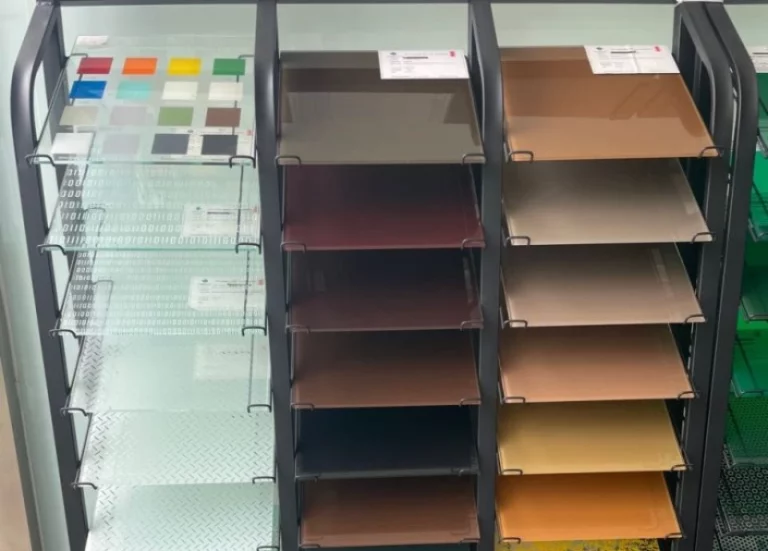
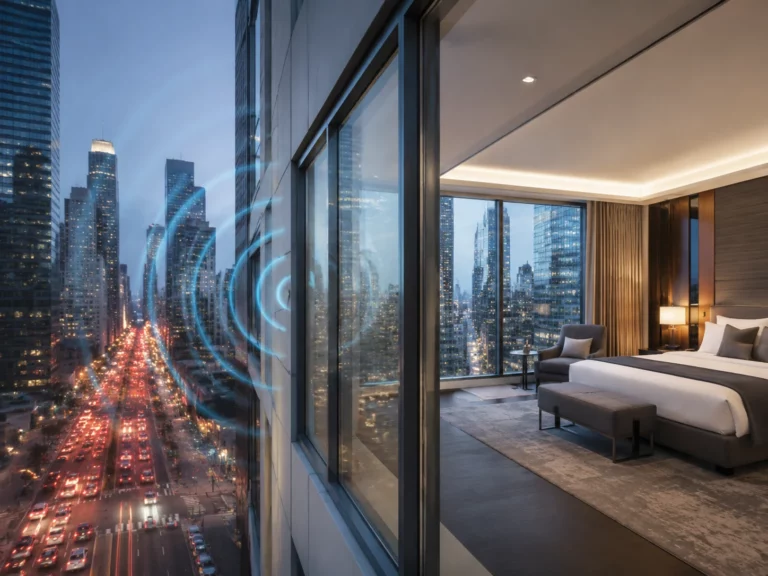
قد تتطلب الاحتياجات الصوتية طبقات سميكة أو أوسط خاصة. هذه تحافظ على رؤية واضحة. العمل الجماعي مع المصنعين المهرة يضمن التغييرات الجيدة. يمكن لـ Landson Glass توفير منتجات محددة مخصصة لمشاريع فردية. مجموعة لدينا تسمح مزيجات من الزجاج العائم أو المترقف أو المقلص أو المنمط في وحدة واحدة. إنه يتناسب مع خطة التصميم.
أفضل الممارسات للحفاظ على الأداء
حتى الوحدات العليا يمكن أن تفعل بشكل سيء إذا لم يتم وضعها بعناية. ابقي فيلم الغطاء على حتى البقعة الأخيرة لوقف الضرر الطبقة من القذارة أو القطع. المباريات الخاطئة يمكن أن تؤدي إلى شقوق من الإجهاد أو تسرب الهواء في وقت لاحق. الختم الجيد مع السيليكون جيد يبقي الأمور ضيقة لسنوات. وهذا أمر حيوي لحفظ الغاز داخل المساحات.
قيمة الشراكة مع مصنع زجاج موثوق به
المورد الصلب يجعل كل خطوة أسهل ، من النصائح حول الاختيارات للمساعدة بعد البيع.
لماذا المصدر من مورد IGU المتخصص مثل زجاج لاندسون
لاندسون غلاس، معالج زجاج راسخ منذ فترة طويلة وموثوق به للغاية، كانت تخدم صناعات الزجاج والزجاج في أستراليا ونيوزيلندا والعديد من البلدان الأخرى منذ عام 2002. مع محفظتها الشاملة التي تشمل وحدات IGU منخفضة الإلكترونية تحت مجموعة COMF-E® Optimum، لوحات السلامة المترقفةوحلول معتدلة وخيارات ديكورية ، يمكن للمقاولين الحصول على جميع متطلبات الواجهة من شريك واحد.
تفهم لاندسون غلاس متطلبات العملاء مع التركيز على جودة المنتج ورضا العملاء. بالإضافة إلى القدرة التصنيعية، تقدم الشركة استشارات تقنية حول اختيار المسافات، وتوافق الختم، وتحسين الصوت، وتنسيق الخدمات اللوجستية عبر الأسواق الدولية - وهي ميزة حاسمة لشركات البناء العالمية التي تدير الجداول الزمنية الضيقة.
ضمان أداء المباني على المدى الطويل من خلال حلول الزجاج الجودة
تساعد أفضل وحدات IGU في تقليل استهلاك الطاقة على الفور. كما أنها تجعل الناس أكثر راحة في الداخل خلال جميع المواسم. الجودة الثابتة تعني مشاكل أقل بعد التركيب ، مثل فشل الختم أو الغيوم الداخلي. وهذا يقلل من تكاليف الصيانة على مر السنين.
من خلال اختيار الشركاء الذين يخلطون الأفكار الجديدة مع الواجب، كما تفعل لاندسون بموجب مبدأها "حيث الجودة والخدمة مهمة أكثر"، يقوم المقاولون ببناء نتائج عمل أقوى.
الأسئلة الشائعة
Q1: ماذا يعني IGU؟
يعني وحدة الزجاج المعزول - وهو نظام يتكون من لوحتين أو أكثر منفصلتين عن طريق مسافات مليئة بالهواء أو الغاز الخامل لتعزيز كفاءة العزل.
س2: كيف يحسن الزجاج منخفض الكهرباء كفاءة الطاقة؟
يعكس طلائه المعدني حرارة الأشعة تحت الحمراء مع السماح للضوء المرئي بالدخول - مما يقلل من زيادة الحرارة غير المرغوب فيها في الصيف ويمنع فقدان الحرارة خلال أشهر الشتاء.
س3: ما الفرق بين طلاء الفضة المزدوجة والفضة الثلاثية؟
الطلاءات الفضية الثلاثية توفر التحكم الشمسي الأكبر ولكن نقل الضوء أقل قليلا مقارنة بالإصدارات الفضية المزدوجة. الاختيار يعتمد على الاحتياجات المناخية.
س4: لماذا يستخدم غاز الأرجون داخل وحدات IGU؟
الأرجون أكثر كثافة من الهواء. يبطئ نقل الحرارة بين الألواح دون التأثير على الشفافية أو الاستقرار الهيكلي.
Q5: كم من الوقت تستمر وحدات الزجاج المعزول عادة؟
مع التركيب الصحيح والصيانة - بما في ذلك الختامات السليمة - غالبا ما تعمل بفعالية لمدة 20-30 سنة قبل أن يصبح الاستبدال ضروريا.