

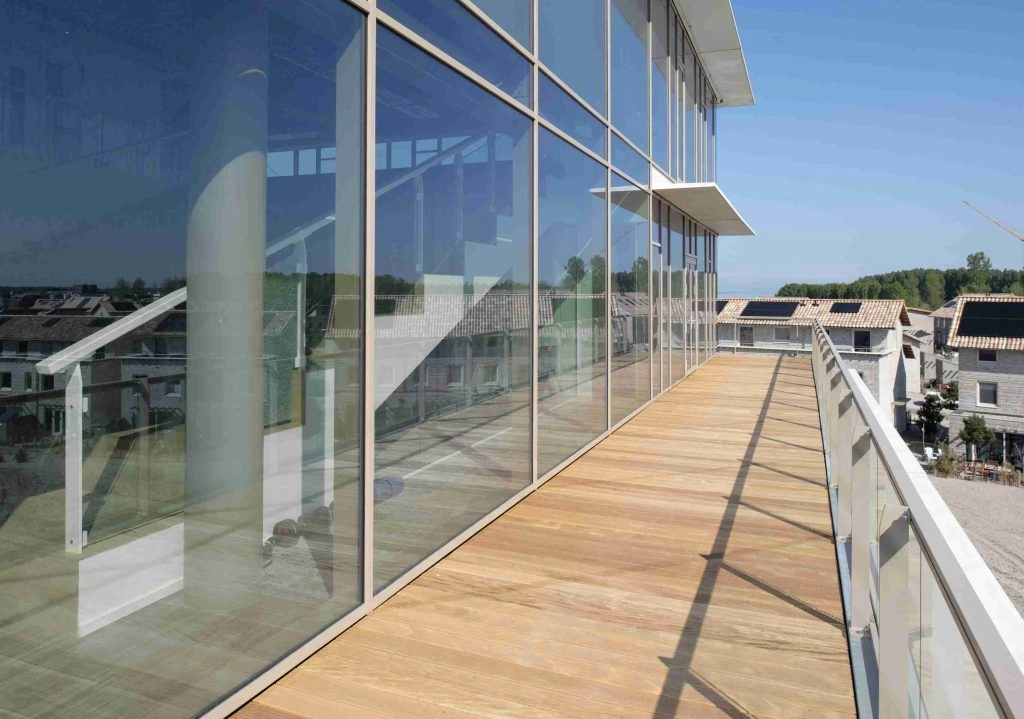
Acoustic laminated glass acts as a key part of current building design. It provides clear views. Moreover, it brings quiet areas into loud places. The need for acoustic glass solutions in commercial architecture is increasing quickly. This is especially true in busy cities. In these places, silence feels like a true luxury.
What Is Acoustic Laminated Glass?
Manufacturers build it by joining two or more glass sheets together. They use a special sound-damping interlayer for this process. Usually, this layer is PVB (polyvinyl butyral) or EVA (ethylene-vinyl acetate).
These materials turn sound energy into heat through internal friction. Because of this process, acoustic laminated glass reaches higher STC (Sound Transmission Class) or Rw (Weighted Sound Reduction Index) ratings.
How Does Acoustic Laminated Glass Work?
PVB and EVA interlayers take on vital roles in this process. They separate the vibrations between the two glass panes. This action breaks up resonance frequencies. Usually, those frequencies make noise louder in standard glazing. Project buyers must understand STC or Rw values. An STC rating near 40 to 45 shows great performance. This range works well for office façades or hotel windows near busy streets.
Why Choose Acoustic Laminated Glass for Commercial Projects
Noise control is not just about comfort. It is also about working hard and feeling well.
Enhancing Comfort in Office and Hospitality Spaces
Outside noise from traffic, building sites, and city life easily passes through standard glazing systems. Acoustic laminated glass lessens this unwanted noise. They improve indoor environmental quality. This improvement is a major point for LEED and WELL certification systems.
Improving Energy Efficiency and Safety Together
Its layered design helps with thermal insulation. It lowers heat transfer between the inside and outside surfaces. Builders often pair it with low-emissivity coatings or inert gas fills. This combination leads to lower HVAC loads. It also creates better energy efficiency.
Закаленное ламинированное стекло adds to these benefits with great physical strength. It stands up to heavy impacts. It also meets strict safety codes. This dual role provides both acoustic control and safety compliance.
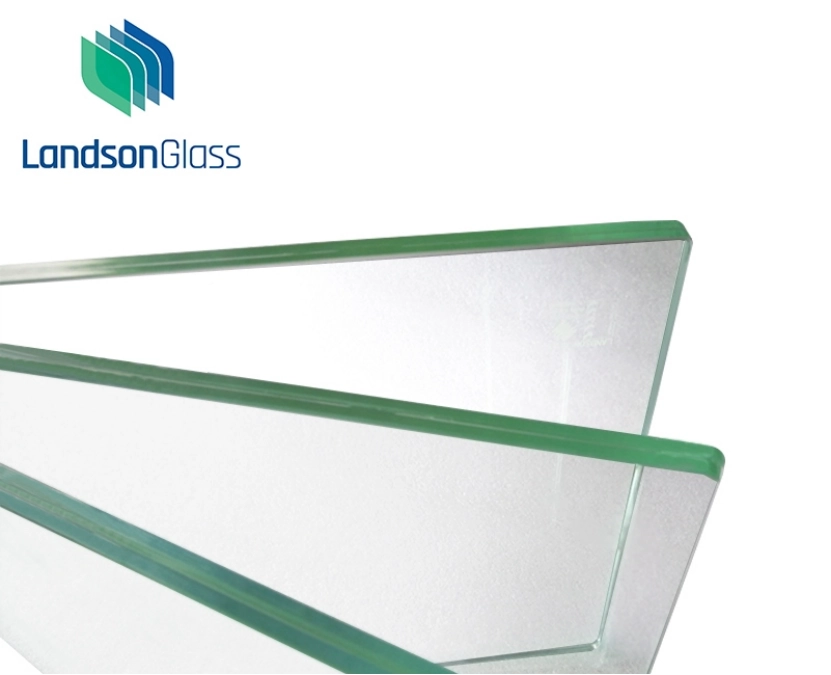
Comparing Acoustic Laminated Glass with Other Architectural Glass Types
Understanding how acoustic laminated glass differs from other types helps you make the right choice.
What’s the Difference Between Acoustic, Tempered, and Standard Laminated Glass?
By design, all three types use multiple layers. However, they serve very different basic needs. Standard laminated glass focuses on safety. It keeps broken pieces together after a crash. Tempered laminated glass adds pre-stressed layers. These layers boost the strength four to five times higher than basic float glass. Acoustic versions change this setup even more. They use special interlayers.
Can Acoustic Laminated Glass Be Customized for Different Applications?
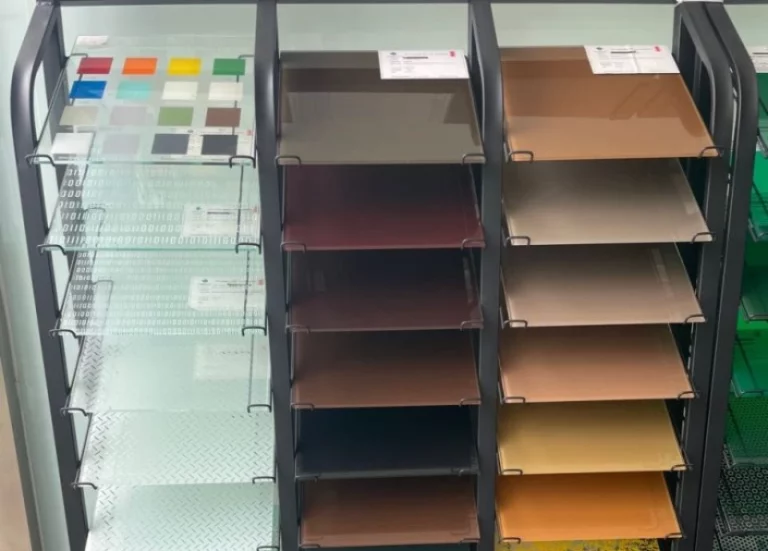
Flexibility stands out as a main strength. Suppliers provide many different choices. You can find thicknesses from 6 mm up to 20 mm. They offer coatings like reflective or типы низкого E. You can also pick tinting options to manage sunlight. They even make curved or very large panels for façades and room dividers. Putting this glass into curtain walls or sliding doors is a simple task. This is because the cutting and framing steps are just like those for other architectural glass types.
Key Considerations When Selecting Acoustic Laminated Glass Suppliers
Not all products work equally well. The skill of the supplier often decides the final results at the building site.
How to Evaluate Quality in Acoustic Laminated Glass Products
Good quality begins with the raw materials. You need very clear float glass without any flaws. The process moves forward through careful lamination steps. Workers do this under strictly controlled heat and pressure cycles. Steady quality is very important. Every single batch must pass trusted testing rules. These rules include standards like ISO 10140 or ASTM E90 for measuring sound insulation.
Clear visuals serve as another good sign of quality. Bubbles or a cloudy look point to a bad bond. This poor quality could harm the look and the performance over time. The edges must be smooth and even. Good edges stop the layers from splitting apart during the stress of installation.
Partnering with a Reliable Manufacturer for Project Success
Working directly with skilled manufacturers like Стекло Landson brings better technical support. This help lasts through the whole design and installation process. A good manufacturer hands over detailed data sheets. These sheets show the exact STC and Rw results. They also help improve the glazing setup to match the shape of the building. Furthermore, they promise a steady supply for huge projects. On big jobs, keeping everything exactly the same is crucial.
Future Trends in Acoustic Glazing Solutions for Architecture
Multilayer lamination technology keeps moving forward. Triple-layer designs now use mixed PVB-EVA blends. These new setups block more noise across a wider range of sound frequencies. They do this without adding much extra thickness. New studies look into switchable films. These films let users change the glass clarity on demand. At the same time, the glass keeps its strong acoustic power. This idea is a great step for smart façades that react to changing outside weather.
Smart coatings are also showing up in early test models. These coatings reflect infrared heat. At the same time, they absorb low-frequency vibrations. Cities are getting more crowded. Mixed-use buildings are popping up everywhere. Because of this, the need for quiet spaces grows. The need for green building grows too. Buyers want glass that balances light flow, energy savings, safety, and peace. They want all these features packed into one well-designed system.
Часто задаваемые вопросы
Q1: What STC rating should be targeted for office buildings?
Most commercial offices sit near normal traffic areas. For these spots, an STC rating between 38 and 42 works well. It offers good noise reduction. It does this without causing a huge price jump.
Q2: Can acoustic laminated glass replace double glazing?
It works better as an addition rather than a full replacement. Using both types together gives much better insulation. This mix protects against weather changes. It also stops airborne noise very well.
Q3: Is there a difference between PVB and EVA interlayers?
Yes, there is a difference. PVB gives slightly better acoustic damping at middle sound frequencies. On the other hand, EVA offers a stronger grip in wet or humid weather. Picking the right one depends on the local climate. It also depends on the physical building needs.
Q4: Does thicker glass always mean quieter rooms?
This is not always true. The makeup of the interlayer matters more than just the total thickness. This is true as long as the basic mass needs are met first.
Q5: Can it be used in frameless systems?
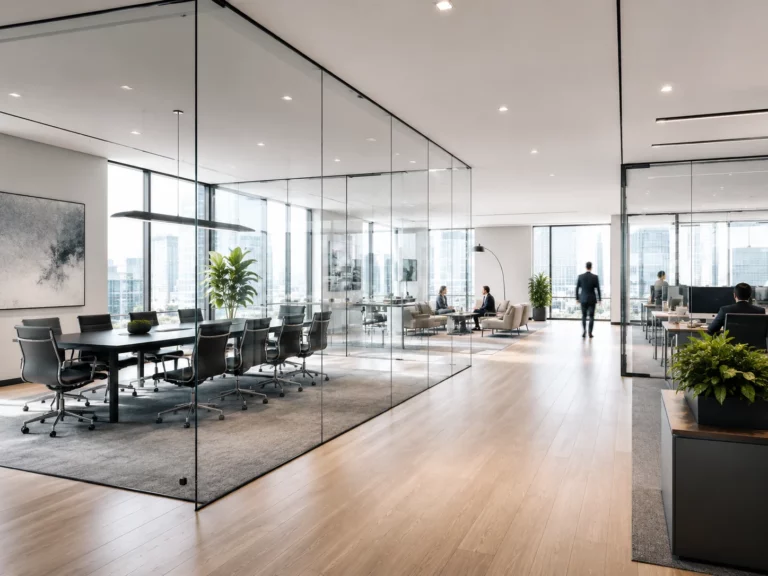
Yes, you can use it this way. You just need proper edge finishing and careful weight math. Today, many modern indoor room dividers use frameless acoustic laminated panels with great success.