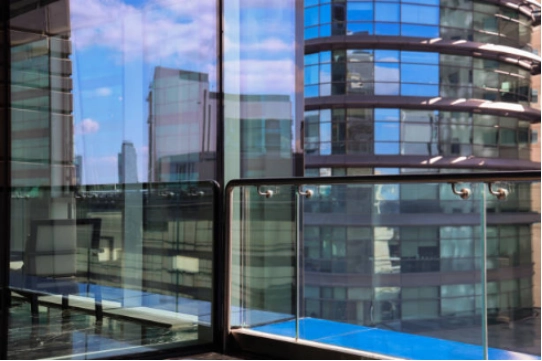


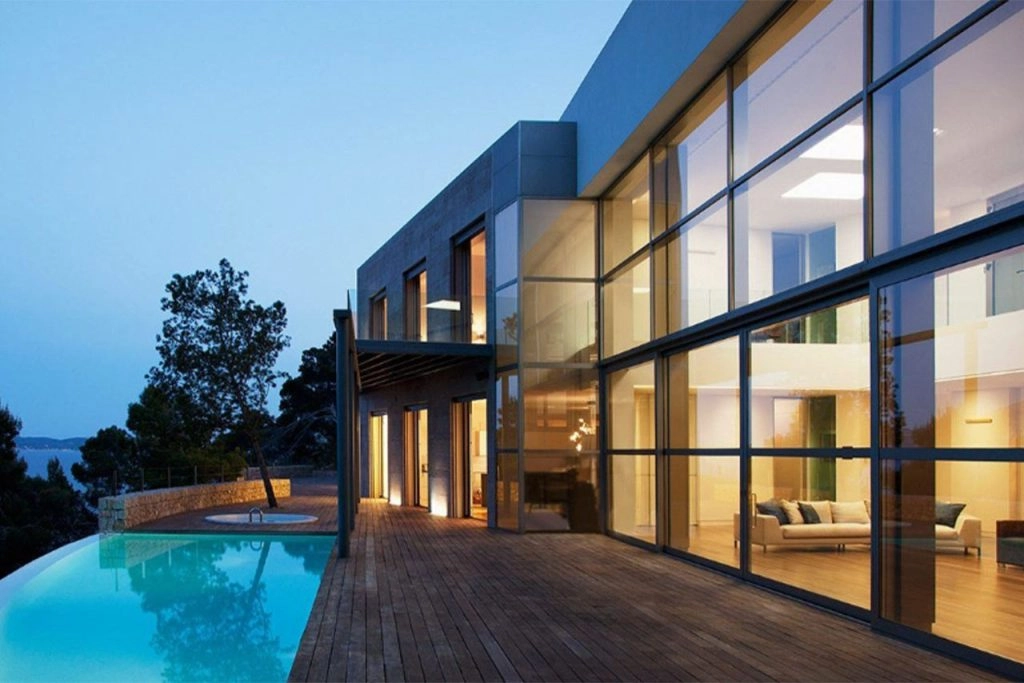
تتعرض واجهات المباني الساحلية لعدة عوامل في آن واحد: ضغط الرياح العالي، وترسبات الملح، والرطوبة، والتعرض الشديد لأشعة الشمس. لذا، قد لا يكون تركيب الزجاج المناسب للمناطق الداخلية ملائماً لواجهة مبنى بالقرب من البحر.
نادراً ما يكون أفضل زجاج للمباني الساحلية منتجاً واحداً. بل هو عادةً مزيج من الزجاج الآمن، والطلاء منخفض الانبعاثية، والزجاج العازل، ويتم اختياره بناءً على أحمال الرياح، وحجم الألواح، والتعرض للعوامل الجوية.
ما الذي يجعل البيئات الساحلية قاسية على الزجاج المعماري؟
لا يُحقق الزجاج الساحلي أداءً جيدًا عند معالجة أحد متطلباته بمعزل عن غيره. فالزجاج المتين لا يحل مشكلة الحرارة الشمسية، ولا يمكن للطلاء الجيد أن يُعوّض عن ضعف إحكام إغلاق الحواف.
ضغط رياح مرتفع
يمكن أن يؤثر ضغط الرياح على سمك الزجاج، خاصة عند الزوايا والطوابق العلوية وألواح الجدران الستائرية الكبيرة.
قد تتعرض نافذة مساحتها 1.5 متر مربع وواجهة زجاجية مساحتها 6 أمتار مربعة لضغط مماثل، لكنهما تتصرفان بشكل مختلف. وتؤثر أبعاد الألواح وظروف الدعم على الإجهاد. يجب تحديد السماكة بناءً على بيانات الرياح الخاصة بالمشروع والحسابات الإنشائية، وليس وفقًا لقاعدة عامة تُعرف بـ"سماكة الزجاج الساحلي".
الملح والرطوبة والتعرض السطحي
لا يؤثر الملح عادةً على الزجاج المعماري كما يؤثر على المعادن المكشوفة، لكن الرواسب تتراكم. وقد تتسارع عملية تقادم الإطارات والأجزاء المعدنية والمواد المانعة للتسرب والطلاءات المكشوفة إذا كانت التفاصيل رديئة.
يستحق المبنى المواجه للأمواج تقييمًا مختلفًا للمتانة عن المبنى الواقع في منطقة داخلية أبعد.
التعرض القوي لأشعة الشمس
غالباً ما تكون المواقع الساحلية مفتوحة ومشرقة وذات واجهات زجاجية كثيفة. وقد تصبح الجدران الستائرية المواجهة للغرب غير مريحة حتى عندما يكون الزجاج مناسباً من الناحية الهيكلية.
ينبغي معالجة اكتساب الحرارة الشمسية والوهج قبل تثبيت هندسة الواجهة ومظهر الزجاج.
أداء مقاومة الرياح - زجاج مقسّى أم زجاج رقائقي؟
الزجاج المقاوم للرياح ليس مجرد "زجاج مقسّى". فالتقسية تُحسّن من متانته، بينما يُغيّر التغليف ما يحدث بعد الكسر. وتحتاج العديد من المشاريع الساحلية إلى كلتا الوظيفتين.
زجاج مقسّى لزيادة المتانة
الزجاج المقوى يُستخدم هذا النوع من الزجاج على نطاق واسع في الواجهات والنوافذ والأبواب لأنه أقوى من الزجاج المُقسّى. في المناطق ذات الرياح العاتية، لا يزال ضغط التصميم وحجم اللوح ودعم الحواف والإطار عوامل حاسمة في اختيار الزجاج. ولا يعني سمك اللوح بالضرورة أنه أفضل.
في الأبراج الساحلية، غالباً ما تتطلب الألواح الركنية المتطابقة ظاهرياً تركيباً مختلفاً عن الألواح المحمية. نفس الواجهة، لكن متطلبات الرياح مختلفة.
لماذا يضيف الزجاج الرقائقي ميزة إضافية؟ سلامة الكسر
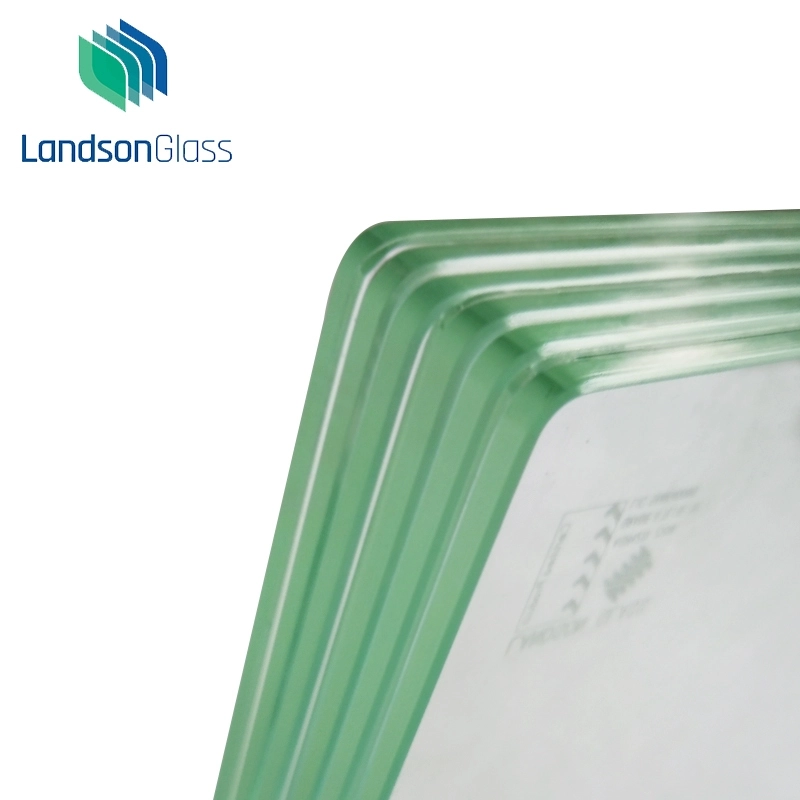
زجاج مغلف يُعزز ذلك من قوة التماسك. فإذا انكسرت إحدى الألواح، يمكن للطبقة البينية أن تُبقي الشظايا متماسكة وتساعد في إبقاء الفتحة مغلقة.
وهذا الأمر مهم في واجهات المباني الشاهقة والمناطق العلوية والمواقع التي يكون فيها الأداء بعد الكسر مهماً.
التعرض للملح - الزجاج ليس سوى جزء من النظام
"الزجاج المقاوم للملح" ليس مواصفة هندسية مفيدة.
تعتمد متانة الزجاج في المناطق الساحلية على أسطح الزجاج، وموضع الطلاء، وأختام حواف وحدات الزجاج المعزول، والفواصل، والمواد المانعة للتسرب، والإطار، والتجهيزات. يجب حماية طلاء Low-E المخصص لوحدات الزجاج المعزول من داخل التجويف بدلاً من تركه مكشوفًا للخارج.
يُعد إحكام إغلاق الحواف أمراً بالغ الأهمية. فالبيئات الدافئة والرطبة والمشبعة بالملح لا تتسامح مع ضعف بناء وحدات الزجاج العازل.
يجب تضمين الصيانة في المواصفات أيضاً. قد يحتاج الزجاج القريب من الأمواج المتكسرة إلى غسل متكرر، خاصة في الأماكن التي يصعب الوصول إلى واجهتها.
الأداء الشمسي - زجاج منخفض الانبعاثية وزجاج للتحكم الشمسي للمباني الساحلية
قد تحدد الأحمال الهيكلية نوع اللوح الزجاجي، بينما تحدد أهداف الطاقة تكوين الطلاء ووحدة الزجاج العازل.
يُشير معامل اكتساب الحرارة الشمسية (SHGC) إلى اكتساب الحرارة الشمسية. أما معامل انتقال الحرارة (U-value) فيصف انتقال الحرارة. ويؤثر معامل نفاذية الضوء المرئي على ضوء النهار والمظهر العام. لذا، ينبغي مراجعة هذه القيم معًا.
لماذا يُعدّ الزجاج منخفض الانبعاثية مهمًا؟
يمكن للزجاج منخفض الانبعاثية أن يقلل من انتقال الحرارة ويتحكم في اكتساب الطاقة الشمسية.
في المناطق الساحلية الحارة، قد يكون انخفاض معامل اكتساب الحرارة الشمسية (SHGC) أكثر أهمية من مجرد السعي للحصول على أقل قيمة لمعامل انتقال الحرارة (U-value). كما يؤثر لون الواجهة الخارجية وانعكاس الضوء ومتطلبات الإضاءة الطبيعية على اختيار الطلاء.
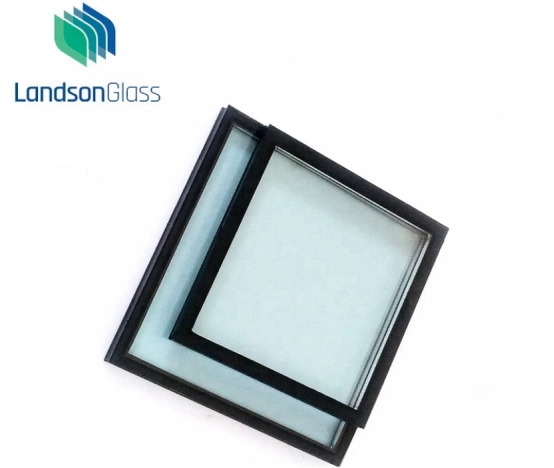
لماذا تُستخدم وحدات الزجاج المعزول (IGUs) بكثرة؟
وحدات زجاجية معزولة يمكن الجمع بين الزجاج الآمن، والطلاء منخفض الانبعاثية، وتجويف الهواء أو الأرجون، والزجاج الداخلي الذي يتم اختياره وفقًا لاحتياجات السلامة أو الصوتية.
قد تستخدم الواجهة الساحلية لوحًا خارجيًا معالجًا حراريًا، وطلاء Low-E للتحكم في الطاقة الشمسية داخل التجويف، ولوحًا داخليًا مصفحًا.
إذن، ما هو أفضل تصميم للزجاج للمباني الساحلية؟
السؤال المفيد هو: ما هي التركيبة التي تلبي متطلبات المشروع دون تكلفة أو تعقيد غير ضروريين؟
نوافذ سكنية ساحلية
يُعد الزجاج المقسى أو الرقائقي داخل وحدة زجاجية عازلة منخفضة الانبعاثية خيارًا عمليًا.
تتمثل الأولويات في السلامة والتحكم في الإشعاع الشمسي والأداء الحراري. في المناطق المعرضة للعواصف، قد تدفع متطلبات التأثير المحلي التصميم نحو استخدام الزجاج الرقائقي.
عالية جدران ستائرية ساحلية من رايز
يُعد استخدام لوح خارجي مقوى حرارياً أو معالج حرارياً مع لوح أمان مصفح ووحدة زجاجية عازلة عالية الأداء منخفضة الانبعاثية اتجاهاً شائعاً.
تستحق المناطق الركنية والنوافذ الكبيرة والطوابق العليا فحصاً منفصلاً. قد يؤدي استخدام تصميم واحد على كامل الواجهة إلى تحديد مناطق محمية بشكل مفرط.
المباني التجارية أو المباني المطلة على الواجهة البحرية
غالباً ما تجمع الفنادق والمكاتب ومساحات البيع بالتجزئة المطلة على الواجهة البحرية بين المساحات الزجاجية الكبيرة وأشعة الشمس القوية ومتطلبات السلامة.
غالباً ما يكون استخدام تصميم أمان متعدد الطبقات داخل وحدة زجاجية عازلة للتحكم في الطاقة الشمسية نقطة انطلاق مناسبة. ويعتمد سمك الطبقة النهائية والطبقة البينية والطلاء على ضغط الرياح والشكل الهندسي والمعيار المعتمد.
قائمة مواصفات الزجاج الساحلي للمهندسين المعماريين والمشترين
قبل إصدار أمر تركيب زجاج ساحلي، يرجى التأكد مما يلي:
- ضغط الرياح التصميمي
- أبعاد اللوحة
- سمك الزجاج ومتطلبات المعالجة الحرارية
- متطلبات الطبقة البينية المصفحة
- طلاء منخفض الانبعاثية أو طلاء للتحكم في الطاقة الشمسية
- الهدف: معامل اكتساب الحرارة الشمسية (SHGC)، وقيمة معامل انتقال الحرارة (U-value)، ونفاذية الضوء المرئي.
- فاصل وحدة الزجاج العازل وحافة مانعة للتسرب
- توافق الإطار والمادة المانعة للتسرب
- المعايير المحلية المعمول بها
- مدخل الصيانة
تُعد هذه التفاصيل أكثر فائدة للمعالج من طلب يقول فقط "زجاج ساحلي 10 مم".
لماذا العمل مع شركة متخصصة في معالجة الزجاج المعماري للمشاريع الساحلية؟
غالباً ما تجمع المشاريع الساحلية بين التصليد والتصفيح واختيار الطلاء والعزل في وحدة واحدة.
بالنسبة لمصنعي النوافذ ومقاولي الجدران الستائرية، يمكن لمتخصص معالجة ذو خبرة تنسيق هذه المتطلبات. توفر شركة لاندسون غلاس الزجاج المقسى، والزجاج الرقائقي، ووحدات الزجاج العازل، وتكوينات Low-E المصممة خصيصًا للمشاريع المعمارية الخارجية.
تبدأ المناقشة المفيدة بالرسومات والأحجام وقيم الأداء المطلوبة وضغط التصميم، وليس بمجرد اسم المنتج.
الخلاصة: حدد الزجاج الساحلي كنظام أداء متكامل
يُعدّ نظام التزجيج المتوازن، وليس اللوح "الأقوى"، الخيار الأمثل للمباني الساحلية. وقد تؤثر مقاومة الرياح على سُمك الزجاج. يوفر الزجاج الرقائقي حمايةً بعد الكسر. أما الزجاج منخفض الانبعاثية والزجاج العازل فيُلبي متطلبات الطاقة الشمسية والحرارية. ويُسلط التعرض للملح الضوء على أهمية مواد منع التسرب والطلاءات والتجهيزات والصيانة.
هل تخطط لمشروع نافذة ساحلية أو واجهة أو جدار ستائري؟
تواصل مع شركة لاندسون جلاس لمناقشة أبعاد الزجاج المطلوبة، وظروف أحمال الرياح، وأهداف الأداء الحراري.
أسئلة متكررة
س: ما هو أفضل نوع من الزجاج للاستخدامات عالية الجودة؟ المباني الساحلية المعرضة للرياح؟
يُستخدم الزجاج المقوى أو الزجاج الرقائقي الآمن بشكل شائع، وغالبًا ما يكون ذلك ضمن وحدات الزجاج المعزول. ويعتمد التركيب الصحيح على ضغط الرياح التصميمي، وحجم اللوحة، وظروف الدعم، ومتطلبات الكود المحلي.
س: هل الزجاج الرقائقي أفضل من الزجاج المقسى للمباني الساحلية؟
ليس دائمًا. يوفر الزجاج المقسى قوة أعلى؛ بينما يحافظ الزجاج الرقائقي على تماسك الشظايا بعد الكسر. وتعتمد العديد من التطبيقات الساحلية الصعبة على كلا الوظيفتين.
س: هل الزجاج منخفض الانبعاثية مناسب للمباني الساحلية؟
نعم. يُستخدم الزجاج منخفض الانبعاثية على نطاق واسع للتحكم في انتقال الحرارة واكتساب الطاقة الشمسية. يجب أن يتناسب نوع الطلاء وموضعه مع المناخ، وأهداف اكتساب الطاقة الشمسية، وتصميم وحدة الزجاج العازل.
س: هل يُلحق الهواء المالح ضرراً بالزجاج المعماري؟
غالباً ما يشكل الملح مصدر قلق أكبر لمتانة نظام التزجيج المحيط من الزجاج نفسه. فالرواسب، وحواف الختم، والطلاءات المكشوفة، والإطارات، والأجزاء المعدنية، وسهولة الوصول للصيانة، كلها أمور تحتاج إلى عناية.
س: هل يُنصح باستخدام الزجاج المزدوج للمباني الساحلية؟
في كثير من الأحيان، نعم. يمكن أن تجمع وحدة الزجاج المعزول بين العزل الحراري والتحكم في الطاقة الشمسية والزجاج الآمن. أما الحاجة إلى الزجاج المزدوج فتعتمد على المناخ، وأهداف الطاقة، والاحتياجات الصوتية، ومواصفات المشروع.