

إن اختيار الزجاج منخفض الانبعاثية أو الزجاج المزدوج يتجاوز مجرد التكنولوجيا، فهو يتعلق بكيفية تهوية المباني، وكيفية احتفاظها بالحرارة، وكيفية إدارتها لأشعة الشمس. يعتمد أداء الطاقة على تضافر عدة خصائص، ويؤثر هذا الاختيار على الراحة اليومية، كما يغير تكاليف البناء ومظهره العام.
ما هو زجاج Low-E وكيف يعمل؟
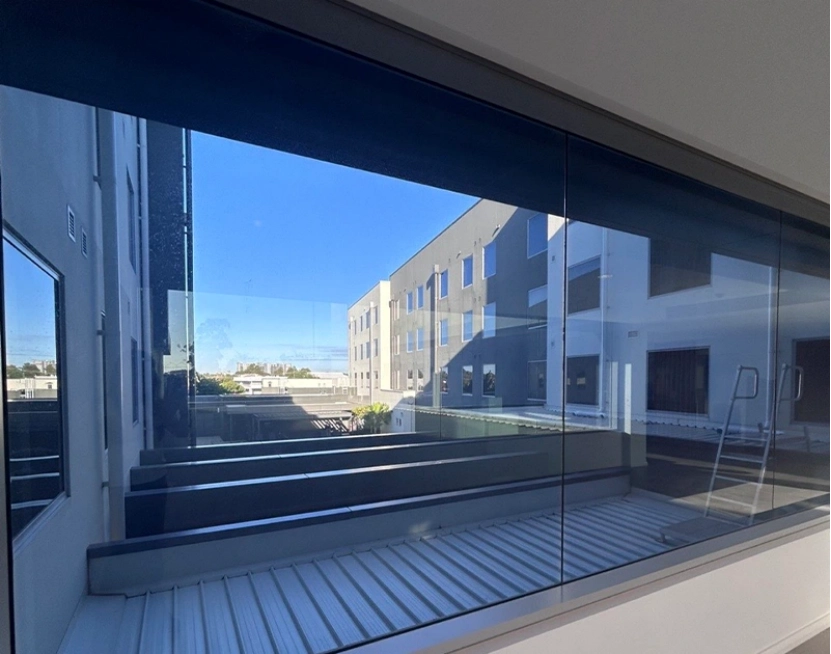
زجاج منخفض الانبعاثيةيتميز هذا الزجاج، المعروف باسم زجاج Low-E، بطبقة معدنية رقيقة للغاية. تساعد هذه الطبقة على التحكم في انتقال الحرارة. ففي الشتاء، تعكس حرارة الأشعة تحت الحمراء إلى داخل الغرفة، وفي الصيف، تمنع أشعة الشمس الحارقة من الدخول. يعزز هذا الانعكاس الذكي العزل الحراري، وفي الوقت نفسه، يسمح بمرور كمية وافرة من الضوء الطبيعي. ستحصل على نافذة شفافة تتكيف بشكل ممتاز مع تغيرات درجات الحرارة.
ما هي وحدة الزجاج المزدوج المعزول (IGU)؟
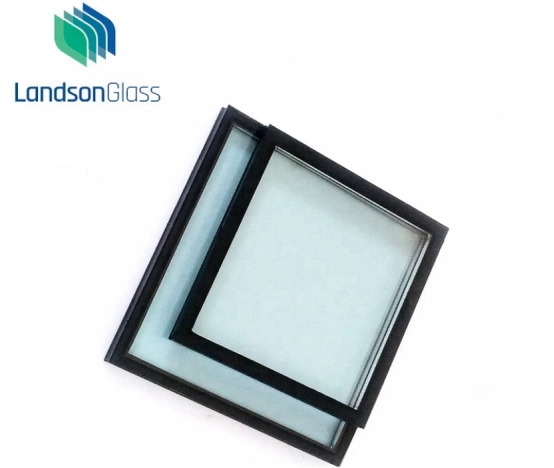
وحدة الزجاج المعزول المزدوجة (IGU) هي وحدة زجاجية معزولة تتكون من لوحين زجاجيين، يفصل بينهما فراغ محكم الإغلاق مملوء بالهواء أو الغاز. يعمل هذا الفراغ كحاجز قوي، مما يقلل من فقدان الحرارة الناتج عن التلامس المباشر وحركة الهواء. غالبًا ما يستخدم البناؤون غاز الأرجون أو الكريبتون بدلًا من الهواء العادي، مما يقلل انتقال الحرارة بشكل أكبر.
يُسهّل هذا التصميم دمج أنواع مختلفة من الزجاج. يمكنك إضافة طبقات عازلة منخفضة الانبعاثية، أو طبقات مُصفّحة، أو ألواح زجاجية داكنة اللون. تُساعد هذه الإضافات في تحقيق أهداف مُحددة كالسلامة أو التحكم في أشعة الشمس. إنّ وحدة الزجاج العازل المزدوجة المُحكمة الإغلاق والمصنوعة بجودة عالية لا تقتصر وظيفتها على السماح بدخول الضوء فحسب، بل تُصبح جزءًا أساسيًا ودائمًا من الحماية الحرارية للمبنى.
مقارنة كفاءة الطاقة: الزجاج منخفض الانبعاثية مقابل وحدات الزجاج المزدوج
يتطلب اختيار الخيار الصحيح بعض التفكير. كلا الخيارين يعالجان جوانب مختلفة من التحكم في الطاقة.
أي الخيارين يوفر أداءً حرارياً أفضل؟
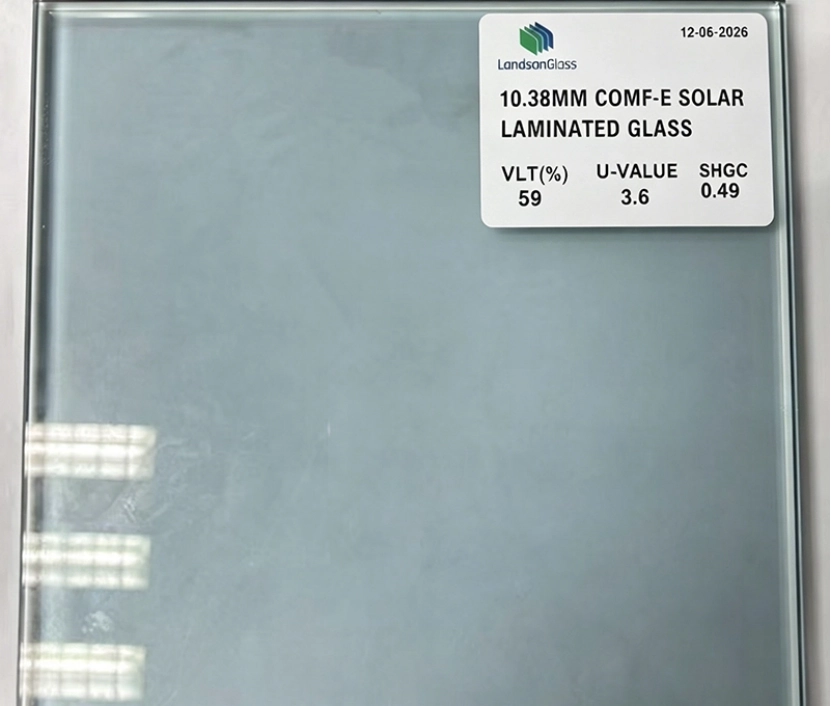
يقيس الخبراء الأداء الحراري باستخدام معامل انتقال الحرارة (U-value). كلما انخفض الرقم، كان العزل أفضل. يقلل لوح زجاجي واحد مطلي بطبقة منخفضة الانبعاثية (Low-E) من فقدان الحرارة بشكل كبير، متفوقًا بذلك على الزجاج الشفاف العادي. لكن وضع هذه الطبقة داخل وحدة زجاجية مزدوجة معزولة (IGU) مملوءة بغاز الأرجون يُحسّن الأداء بشكل ملحوظ، حيث ينخفض فقدان الحرارة الإشعاعية بشكل حاد، وفي الوقت نفسه، تنخفض حركة الحرارة عبر الهواء إلى أدنى حد.
يؤدي غاز الأرجون وظيفة هادئة لكنها حيوية. فثقله يبطئ تدفق الطاقة بين لوحي الزجاج، دون أن يحجب الرؤية. في معظم المناطق، يُنصح بخلط طبقة رقيقة من مادة Low-E مع زجاج مزدوج مملوء بغاز الأرجون يعمل بشكل مثالي. إنه يقدم قيمة ممتازة مقابل المال في الوقت الحالي.
لذا، فإن السؤال الحقيقي ليس من سيفوز، بل كيف سيتعاونون لتحقيق أهدافك الإنشائية المحددة.
هل يؤثر المناخ على الاختيار بين الزجاج منخفض الانبعاثية والزجاج المزدوج؟
يؤثر الطقس المحلي بشكل كبير على هذا الاختيار. ففي المناطق الشمالية شديدة البرودة ككندا، يُعدّ الحفاظ على دفء المنزل أمرًا بالغ الأهمية. ولذلك، يُعتبر الزجاج المزدوج ذو الطلاءات منخفضة الانبعاثية المعيار السائد. يمنع هذا المزيج تسرب الحرارة إلى الخارج، كما يحافظ على دفء الزجاج الداخلي عند لمسه.
من ناحية أخرى، تحتاج المناطق الاستوائية الحارة أو الصحراوية إلى حلول مختلفة. تستفيد المباني هناك بشكل أكبر من الزجاج العازل لأشعة الشمس بتقنية Low-E. فهذه التقنية تمنع أشعة الشمس الحارقة مع الحفاظ على إضاءة الغرف. كما تحافظ الطبقات الخاصة على برودة المساحات الداخلية، وتحافظ على جمال الإضاءة الطبيعية. هذه تفاصيل صغيرة لكنها أساسية لراحة يومية مثالية.
ما وراء كفاءة الطاقة: فوائد إضافية يجب مراعاتها
يُعدّ توفير الطاقة جزءًا واحدًا فقط من الحل. كما أن الأداء اليومي في العالم الحقيقي له قيمة كبيرة أيضًا.
العزل الصوتي ومستويات الراحة
تتفوق النوافذ ذات الزجاج المزدوج على النوافذ ذات الزجاج الأحادي في عزل الضوضاء. فهي تتميز بتصميمها السميك متعدد الطبقات ووجود فراغ مركزي ضيق. كما أن إضافة الزجاج الرقائقي يزيد من مستوى الضوضاء، حيث يضع طبقة بلاستيكية خاصة بين لوحين من الزجاج. يُعد هذا المزيج مثاليًا للمباني القريبة من الطرق المزدحمة أو المطارات الصاخبة، حيث تتسرب الضوضاء العالية بسهولة عبر النوافذ العادية.
طلاءات منخفضة E لا تُحجب المواد السميكة الصوت جيدًا بمفردها، فهي تعمل كمرشحات للضوء لا كحواجز سميكة. إذا أردتَ منع الضوضاء، فعليك التركيز على سُمك الزجاج وتركيباته المُصفّحة، فهذه العوامل أهم بكثير من خصائص عزل الحرارة.
المتانة والصيانة وطول العمر
يعتمد عمر النوافذ بشكل كبير على دقة التصنيع والتركيب الصحيح. يجب على العمال حماية الأسطح المطلية داخل الوحدات المغلقة، مما يحافظ على الطبقات آمنة من الصدأ أو التلف الناتج عن التنظيف القاسي. الطلاءات الناعمة حساسة للغاية، وتتلف بسهولة عند ملامستها للماء أو الأسطح الخشنة.
تتطلب وحدات الزجاج المعزول المحكمة الإغلاق مواد لاصقة قوية للحواف. عادةً ما يختار البناؤون السيليكون أو البولي سلفيد لهذا الغرض. تمنع موانع التسرب الجيدة تكوّن قطرات الماء داخل فجوة الزجاج مع مرور الوقت. يمكن لوحدة مصممة جيدًا أن تدوم لعقود. أما موانع التسرب السيئة فتتسبب في تكثف البخار مبكرًا، كما أنها تُضعف قدرة العزل قبل أن يتقادم الزجاج.
كيفية اختيار حلول الزجاج المناسبة لمشروعك
يواجه كل مبنى تحديات مناخية فريدة. فتوجه الشمس، ومستويات الظل، وأشكال الجدران كلها عوامل مهمة. هذه التفاصيل هي التي تحدد نوع الزجاج الأنسب.
العوامل المؤثرة في اختيار الأبواب والنوافذ والواجهات
تتعرض الجدران المواجهة للجنوب لأشعة الشمس القوية. تساعد التشطيبات الزجاجية الداكنة أو اللامعة على تقليل الوهج الساطع، كما أنها تحافظ على مظهر المبنى أنيقًا ومتناسقًا. أما الجدران المواجهة للشمال فتحتاج إلى نهج مختلف، حيث ينبغي على البنائين التركيز على الاحتفاظ بالحرارة فيها، ويكون حجب أشعة الشمس أقل أهمية لأن أشعة الشمس المباشرة تكون ضعيفة في هذا الجانب.
غالباً ما يتطلب الجمع بين المظهر الجذاب والأداء العالي تقديم تنازلات. قد يرغب المصممون في ألوان زجاجية شفافة وبسيطة، بينما قد يطلب المهندسون أسطحاً لامعة أو تصنيفات حرارية أفضل. يساعد التدقيق في بيانات الطقس المحلية على حل هذه المعضلات، إذ يُسهم في معالجة المشكلات مبكراً في مرحلة التخطيط قبل تصنيع الزجاج.
لماذا تتعاون مع شركة تصنيع زجاج محترفة مثل لاندسون جلاس؟
يُساهم التعاون مع مُصنِّع ماهر في ضمان جودة ثابتة لمشاريع البناء الكبيرة. شركة قوية مثل زجاج لاندسون تُقدم الشركة خيارات زجاج مُخصصة، وتُصنع منتجاتها وفقًا لمعايير عالمية صارمة. تُنتج مصانعها الزجاج الرقائقي، والألواح المُقسّاة المتينة، والوحدات المُحكمة الإغلاق. وتخضع هذه المنتجات لفحوصات سلامة دقيقة، تتوافق مع معايير EN وASTM وIGCC.
يُعدّ هذا المستوى العالي من العناية ضروريًا للأبراج الشاهقة والجدران الآمنة. كما يُقدّم الشركاء الجيدون بيانات اختبار مفيدة، مثل تقارير فقدان الحرارة وتقييمات الصوت. هذه المساعدة الإضافية تُسهّل الإجراءات الورقية بشكل كبير خلال مراحل الموافقة النهائية.
أهم النقاط التي يجب على مشتري المشاريع والمقاولين معرفتها
يُحقق وضع طبقات عازلة منخفضة الانبعاثية داخل وحدات الزجاج المزدوج المعزول أفضل النتائج، خاصةً إذا كان توفير الطاقة هو هدفك الأساسي. مع ذلك، فإنّ الإعداد الدقيق يُعدّ بالغ الأهمية، إذ يُؤثر موقع المبنى وزوايا الشمس وعادات المستخدمين على الخطة. تُساعد هذه العوامل في تحديد الإعداد الأمثل الذي يُناسب ميزانيتك واحتياجاتك التقنية.
غالباً ما تستخدم المشاريع التي تسعى للفوز بشهادات LEED أو BREEAM هذه الأنظمة المختلطة. فهي ضرورية لاستيفاء المعايير الصارمة، كما أنها تُستخدم للحفاظ على راحة الموظفين داخل المبنى. فالزجاج المناسب يحافظ على ثبات الإضاءة الطبيعية، ويضمن ثبات درجة حرارة الغرفة على مدار الفصول الأربعة.
أسئلة متكررة
س: ما الفرق بين الزجاج ذي الطبقة الصلبة والزجاج ذي الطبقة اللينة منخفض الانبعاثية؟
الطبقة الصلبة شديدة التحمل لكنها أقل كفاءة في عزل الحرارة. أما الطبقة اللينة فتعزل الحرارة بشكل أفضل. مع ذلك، يجب على العمال إحكام إغلاقها داخل وحدة زجاجية معزولة لحمايتها من التلف المادي.
س: هل يمكن ترقية النوافذ الحالية باستخدام طبقة Low-E؟
نعم، يمكنك إضافة أغشية لاصقة لاحقًا. فهي تحاكي بعض خصائص الطلاءات الأصلية المستخدمة في المصانع. ومع ذلك، فإنها عادةً ما توفر طاقة أقل من وحدات الزجاج المدمجة.
س: ما هي مدة صلاحية الزجاج المزدوج المعزول؟
يدوم عادةً من 20 إلى 30 عامًا. ويتطلب ذلك تركيبًا محكمًا واستخدام مواد مانعة للتسرب عالية الجودة. ويمكن أن يؤدي سوء الأحوال الجوية أو إهمال الصيانة إلى تقصير هذه المدة بسهولة.
س: هل الزجاج الرقائقي ضروري في جميع الحالات؟
لا، ليس ذلك ضرورياً دائماً. يستخدمه البناؤون بشكل أساسي عندما تكون السلامة أو التحكم في الضوضاء من الأولويات القصوى. ومن الأماكن الشائعة واجهات المحلات التجارية أو الجدران العالية المواجهة للرياح القوية.