


¿Qué es la tecnología de vidrio inteligente y cómo transforma la arquitectura moderna?
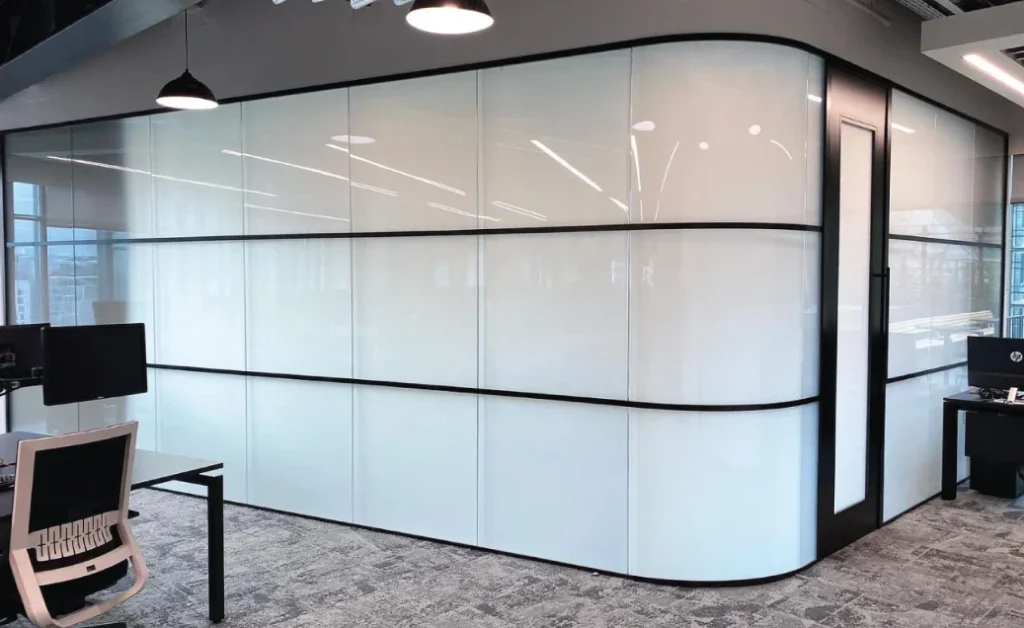
Smart glass technology has shifted from just an idea to a key part of today’s buildings. It used to seem like something from the future. Now, these clever materials change how people deal with light, room layouts, and personal space in homes, shops, and public spots. What Is Smart Glass Technology Core Principles of […]
Espesor de vidrio laminado: factores clave que influyen en su selección
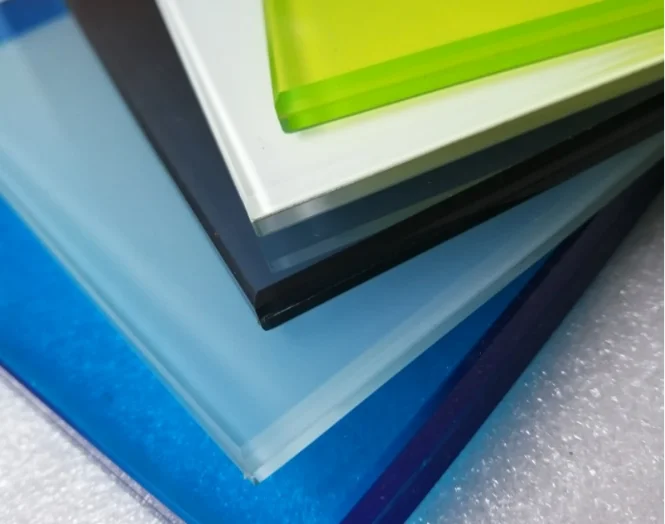
Laminated Glass Thickness: Strength and Optical Performance How Thickness Contributes to Structural Integrity Laminated glass consists of two or more sheets of regular glass joined with interlayers. These interlayers are usually PVB or other plastics. Thickness matters a lot for the strength of these units. In simple terms, the thicker the laminated glass, the […]
Tecnología de vidrio de vacío: una profundidad en su estructura y función
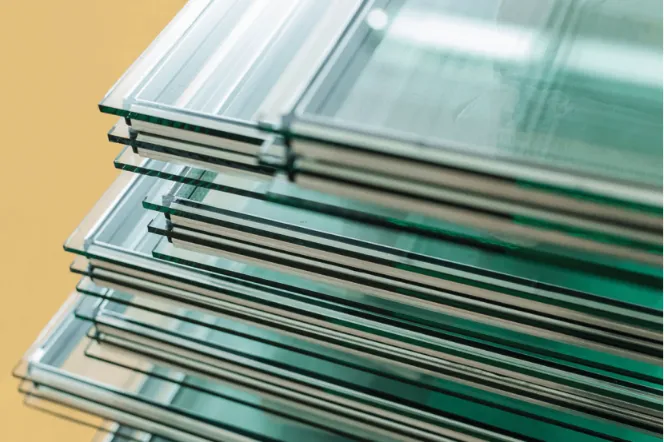
Structure and Composition of Vacuum Insulated Glass Core Components of Vacuum Glass Vacuum insulated glass (VIG) consists of two glass panes. They are separated by a small vacuum gap. This vacuum stops most heat transfer ways. It blocks convection and conduction through air. As a result, it saves a lot of energy. Tiny support […]
El vidrio laminado en la arquitectura: beneficios más allá de la seguridad

Laminated Glass in Modern Architectural Design Composition and Manufacturing Process Laminated glass gets made by sticking two or more sheets of glass with interlayers, usually polyvinyl butyral (PVB) or ethylene vinyl acetate (EVA). This setup boosts the material’s toughness. Plus, if it breaks, the pieces stick to the interlayer. That cuts down on injury […]
Factor U, SHGC & VLT: Cómo leer datos de rendimiento de IGU de baja E

Commercial buildings often feature glass that takes up most of the facade. Low-E IGUs play a key role in energy use, comfort levels, and daylighting. Datasheets throw around numbers like U-Factor SHGC VLT, and more. Why These Ratings Matter for Low-E Insulated Glass Units U-Factor handles heat transfer without solar input. SHGC covers solar heat gain. […]
IGU de doble acristalamiento: una inmersión profunda en la estructura y la funcionalidad
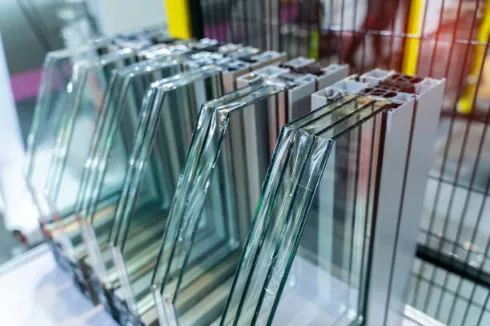
Structure of Double Glazed IGU Components of a Double Glazed Insulated Glass Unit A double glazed IGU, or Insulated Glass Unit, basically has two sheets of glass. A spacer keeps them apart. This creates a closed space between the panes. That space usually holds air or some harmless gas. This setup boosts the unit’s heat-blocking […]