

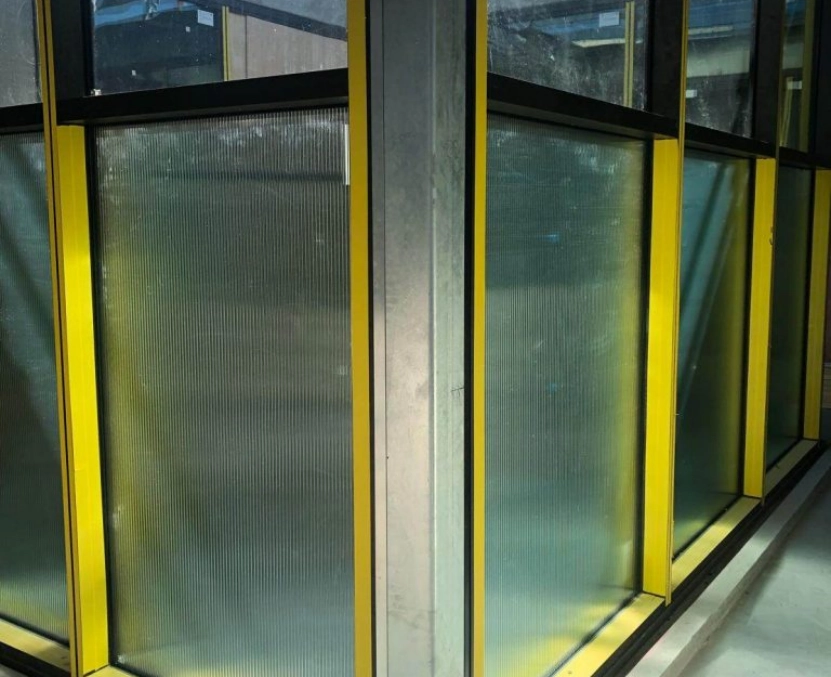
I progetti di costruzione in questi giorni richiedono soluzioni per finestre che mescolano stile, funzione e pratiche verdi. Le unità in vetro isolato (IGU) brillano come scelta preferita per un migliore utilizzo energetico, spazi più silenziosi e aspetti adattabili. In un ufficio grattacielo o in una facciata di casa, la migliore selezione di IGU può davvero modellare quanto sia ecologico il luogo e quanto si sentano comodi le persone all'interno.
Cosa sono le unità di vetro isolato
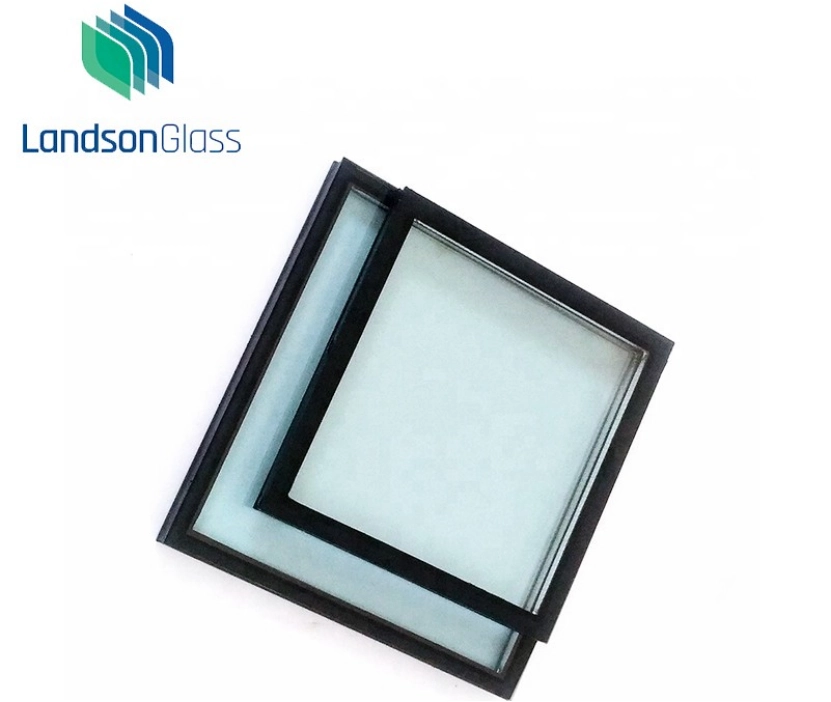
Unità in vetro isolato (IGU), talvolta chiamate unità a doppio vetro o a triplo vetro, utilizzano due o tre pannelli di vetro. Un gap di aria o argone li separa. Questo riduce il flusso di calore attraverso la configurazione della finestra.
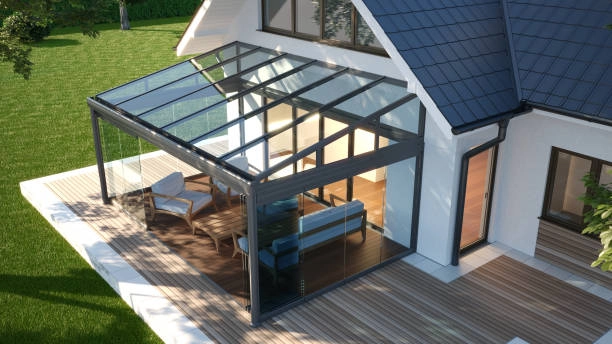
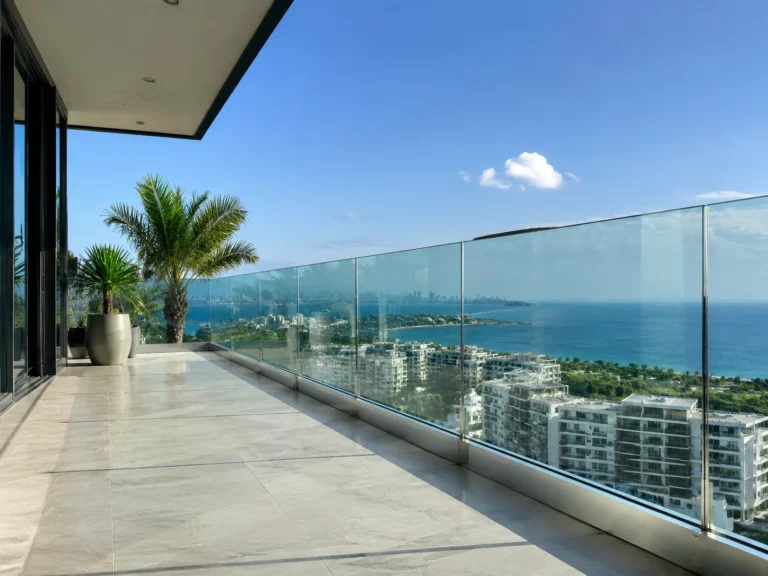
Il design costruisce uno scudo termico. Riduce i cambiamenti di temperatura dall'interno all'esterno. Gli IGU offrono un migliore blocco del calore e risparmiano più energia. Oggi’ I costruttori si rivolgono spesso a loro per sistemi murali, luci sul tetto, pareti esterne e finestre di alta qualità.
Componenti chiave di un vetro isolato
La maggior parte delle IGU includono parti chiave come due o più fogli di vetro, barre per spaziarli, sigillanti di bordo e gas come argon o crittone nello spazio tra. Ogni pezzo aiuta l'intera unità a funzionare bene.
- Pannelli di vetroformare pareti solide contro gli elementi.
- Spacer barmantenere spazi costanti tra i fogli.
- Sigillantibloccare l'impermeabilità e respingere l'umidità.
- Riempimenti di gastagliare le correnti d'aria per aiutare a bloccare il calore.
I vantaggi funzionali delle unità in vetro isolato
Efficienza termica e risparmio energetico
Le IGU limitano bruscamente lo spostamento del calore dalle stanze all'esterno. Il gas intrappolato nel mezzo funge da tampone. Mantiene temperature costanti all'interno. Le strutture funzionano più fluidamente sulla potenza in questo modo. Hanno bisogno di meno calore o aria fresca. Aggiungi rivestimenti a bassa emissività e i guadagni crescono. Prendi il nostro Serie COMF-E® OptimumUtilizza uno strato Low E su misura per frenare il flusso di calore attraverso il vetro. Nelle stagioni calde, riporta il calore. I tempi freddi lo vedono intrappolare il calore. Tutto questo accade senza ridurre la luce diurna. Molti architetti trovano questa combinazione perfetta per i guadagni energetici quotidiani, come mantenere fresca una sala conferenze in una giornata calda.
| Tipo di prodotto | Valore U (inverno) | SHGC | Trasmissione di luce visibile |
| 24mm trasparente DGU (6C/12/6C) | 2.54 | 0.74 | 80.2% |
| COMF-E Ultra (6/12/6) #2 | 1.65 | 0.61 | 74% |
| COMF-E Grigio solare (6/12/6) #2 | 1.65 | 0.25 | 21.6% |
I valori U più piccoli mostrano un blocco termico più forte. Ciò si rivela vitale per raggiungere standard energetici rigorosi.
Isolamento acustico e miglioramento del comfort
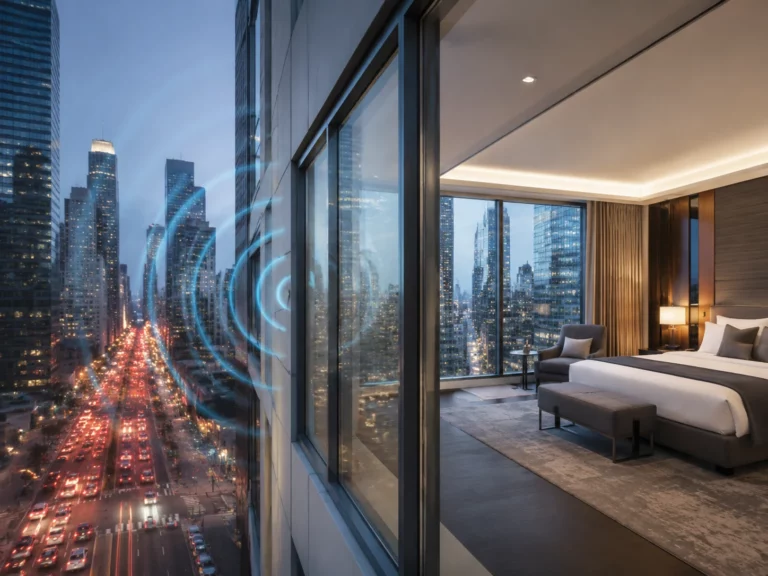
Gli IGU fanno di più che gestire il calore. Riduce il rumore in modi che puoi sentire. Diversi strati impediscono al suono di viaggiare. Le variazioni dello spessore del foglio e le dimensioni degli spazi impostano il livello di silenzio. Vai per pannelli più spessi o spazi più grandi, e il blocco migliora. I progetti urbani su strade o voli beneficiano di più. Gli uffici e le scuole ottengono stanze più tranquille come risultato. Le persone dentro si concentrano più facilmente e si rilassano di più.
Controllo della condensazione e durata
L'aria calda della stanza su una superficie fresca provoca l'accumulo di umidità. Gli IGU lo evitano riscaldando la faccia interna. Le sigillature a bordo forti sono importanti per una protezione continua all'asciutto. I punti deboli portano a nebbia o viste oscure in seguito. Controllare regolarmente le sigillature. Pulire delicatamente con i metodi del produttore. Questi passaggi allungano l'unità’ La vita è molto.
Considerazioni di progettazione per gli architetti
Inserire IGU nei piani significa pesare gli aspetti contro le specifiche. Gli architetti spesso giocalizzano questi per ottenere entrambi giusti.
Scegliere il tipo di vetro giusto per le esigenze del progetto
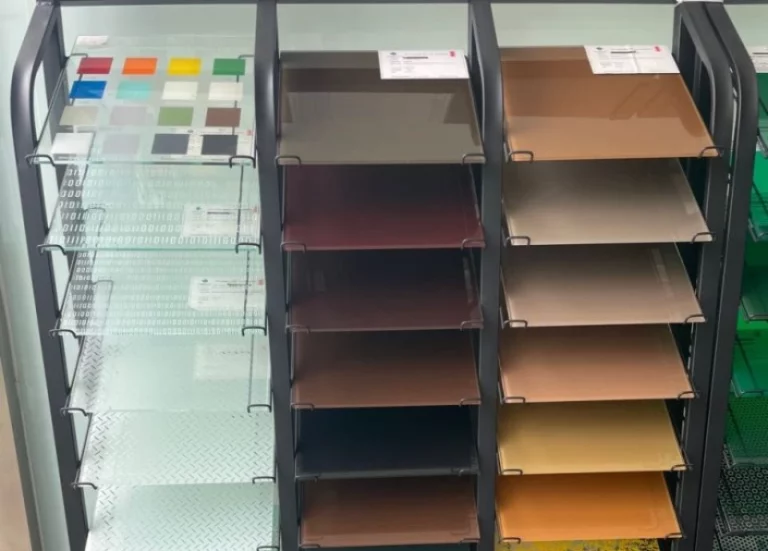
Scegli tra vetro trasparente, colorato, lucido o trattato. Basalo sulle condizioni meteorologiche e sui desideri di stile. I punti caldi utilizzano strati lucidi o solari per alleviare la luce brillante. Le aree più fredde mantengono tipi low-E per mantenere il calore corporeo. La direzione del volto conta. Un lato nord potrebbe guadagnare da più luce per tirare pienamente in sole.
Tecnologia Spacer e Edge Seal Design
I distanziatori a bordo caldo funzionano meglio dei vecchi tipi di alluminio. Riduceno le perdite di calore ai confini, un solito punto morbido nelle finestre. Buoni piani di sigillatura aumentano il blocco e sopportano i cambiamenti meteorologici.
Integrazione con sistemi di incorniciatura e facciate
Corrispondenza con le impostazioni di parete, cornici o porte in anticipo. Questo elimina gli ostacoli di impostazione lungo la linea. I grandi IGU hanno bisogno di piani di supporto per la loro massa e le raffiche. La tenuta si adatta strettamente per bloccare gli scivoli d'aria che consumano nel risparmio energetico.
Standard di prestazione e requisiti di certificazione
Standard industriali per la garanzia della qualità
Regole mondiali come la EN 1279 per l'Europa, l'ASTM E2190 per gli Stati Uniti o i controlli IGCC controllano la qualità della costruzione dell'IGU. Coprono resistenza all'umidità, tenuta del gas e persino chiarezza della vista. Seguirli assicura un solido lavoro in costruzioni ovunque.
Procedure di prova per unità di vetro isolato
I controlli di resistenza vedono come le unità assumono tensioni continue come i raggi solari e i cicli umidi. Questo blocca il lavoro costante durante il pieno utilizzo. Architetti, prendere i documenti certificati dai fornitori prima di firmare.
Opzioni di personalizzazione da Landson Glass
vetro Landson guadagna rispetto per i disegni piegabili che si adattano alle esigenze di costruzione esatte.
Soluzioni su misura per progetti architettonici
La nostra vasta gamma di prodotti è presente in case e negozi in Australia, Nuova Zelanda e Europa. Si estende da case solitarie a opere commerciali di grande nome. Forniamo dimensioni su ordine fino a 3210mm × 5100mm. Le impostazioni degli spaziatori variano per soddisfare le esigenze del lavoro.
Caratteristiche avanzate disponibili da Landson Glass
Rivestimenti low-E e opzioni di controllo solare
Gli strati a bassa emissività, come in COMF-E® Optimum, affilano la gestione del sole. Mantengono la luce che scorre, un must per le conchiglie esterne verdi.
Finiture decorative e miglioramenti estetici
Mescola disegni o effetti opachi per visualizzazioni nascoste nelle IGU. Mantengono la luce diffusa. Gli atri o le spalle murali li adattano bene, mescolando forma e scopo.
Consigli pratici per gli appalti e le specifiche
Lavorare con fornitori affidabili
Scegliere un fornitore solido significa guardare i certificati, fare volume, tempi di attesa, assistenza post-acquisto e chat chiare tra architetti, costruttori e costruttori. Questo flusso di lavoro senza problemi da piano a posto.
Considerazioni sui costi nella pianificazione del progetto
Le scelte nei materiali guidano i prezzi direttamente. Tuttavia, investire denaro in IGU forti riporta risparmi a lungo termine. Aliviano i carichi del sistema di aria e risolvono i costi per molti anni.
Tendenze future nella tecnologia del vetro isolato
Innovazioni nei sistemi di vetro intelligenti
Il vetro intelligente fresco, come le IGU elettrocromiche autoombreggianti, fornisce tweaks di luce on-the-fly da fattori esterni. Gli architetti trovano nuovi percorsi per pareti flessibili che si spostano con il sole da soli.
Sostenibilità e impatto ambientale
I produttori si inclinano verso modi verdi con materiali di riutilizzo. Riduceno i rifiuti durante le costruzioni. Questo spinge verso costruzioni a rifiuti zero in tutto il mondo.
Il risparmio energetico è ormai dato. Le unità in vetro isolato sono al centro di quel cambiamento di costruzione oggi.
Domande frequenti
Q1: Qual è la differenza tra unità di vetro isolato a doppio vetro e a triplo vetro?
Le unità a triplo vetro aggiungono un altro pannello. Offre un blocco più forte ma aumenta il prezzo un tocco rispetto ai tipi a doppio vetro.
Q2: Quanto tempo durano tipicamente le unità di vetro isolato?
Buoni IGU con tenute giuste e manutenzione durano da 20 a 30 anni.
Q3: Le unità di vetro isolato possono essere riparate se la condensazione appare all'interno?
La maggior parte delle volte, no. L'umidità all'interno indica una rottura della tenuta. Hai bisogno di uno scambio completo, non di una soluzione.
Q4: I rivestimenti low-E sono visibili sul vetro isolante?
No, sono piccole pellicole metalliche su fogli interni. Lasciano la vista chiara nel solito aspetto.
Q5: Come scegliere tra IGU riempite di argone o di aria?
Gli argoni bloccano meglio il calore, ma costano in più. I tipi di aria funzionano bene e risparmiano denaro in condizioni meteorologiche uniformi.