

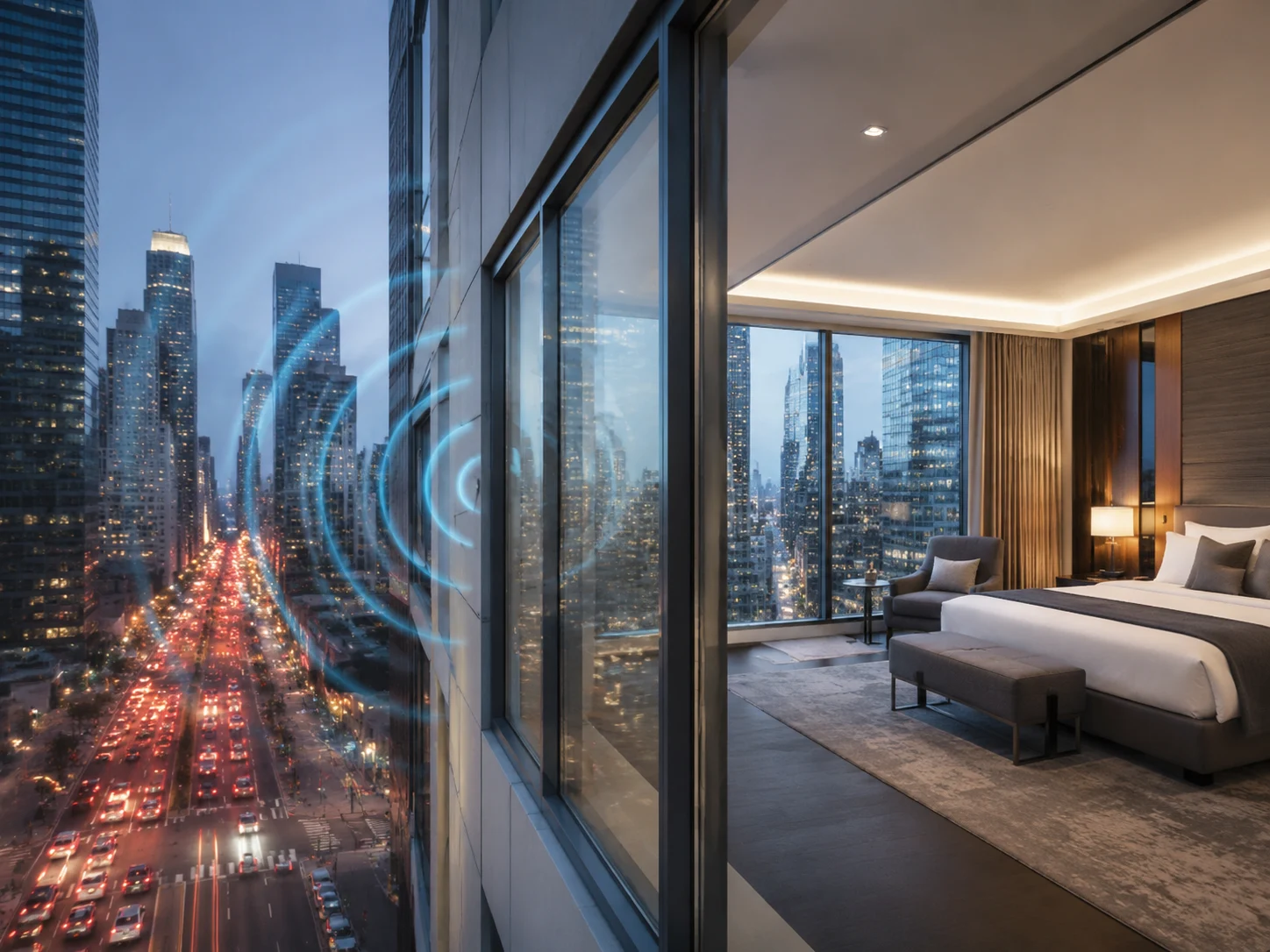
Modern cities never rest, and their noise stays around too. As more people pack into urban spots, architects run into the task of making calm rooms inside. They want to keep the look nice and hold onto energy savings at the same time. The fix comes from acoustic window glass—a see-through stuff that joins clear views with quiet. It gives both open sight lines and sound blocking for hotels, tall homes, and shops.
The Growing Demand for Acoustic Glass Solutions
Big cities around the world face noise as a top stress from the World Health Organization. People who live in towns now want quiet spots that help health and focus. For hotels, this quiet lifts how happy guests feel. Office renters like less hum so they can think straight. Acoustic glass softens outside sounds. It also works with energy-saving walls by cutting heat loss.
What Defines Acoustic Window Glass
Acoustic window glass usually has several layers stuck with sound-soft interlayers like PVB. These layers soak up sound shakes before they reach inside. Regular laminated or double glass does less. Acoustic types get checked for numbers like Rw, STC, and OITC. This testing gives steady results in different places.
Core Materials and Construction of Acoustic Glass
Before looking at glass types, it helps to see how the parts shape how well it works. What goes into acoustic glass sets both its toughness and how it stops unwanted sounds.
The Role of Laminated Layers in Sound Insulation
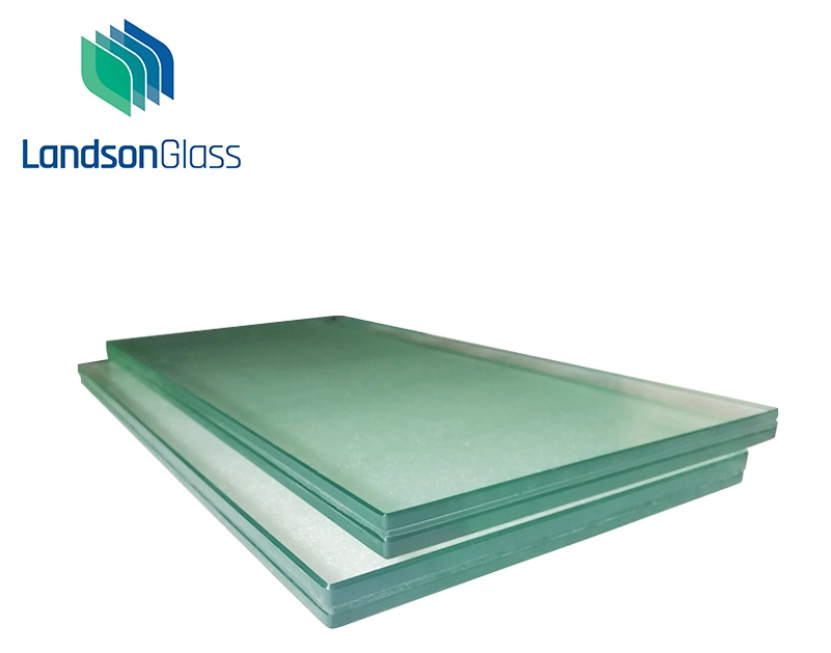
Vejo acústico laminado uses one or more soft layers between hard sheets. Sound hits the top and some energy turns to heat in the layer instead of moving on. Acoustic PVB takes in shakes better than plain PVB. Extra layers also add safety. If the glass breaks, pieces stay stuck to the layer and do not fly around.
Thickness and sound block do not grow in a straight line. Twice the thickness does not give twice the quiet. Mixing different sheet sizes or types breaks up sound peaks better than all the same size.
Comparing Monolithic, Laminated, and Insulated Acoustic Glass
Monolithic Acoustic Glass
One sheet gives only light sound block. It costs less and works for inside walls or quiet spots. People pick it when looks matter more than full quiet.
Vejo acústico laminado
Two or more sheets joined by acoustic PVB layers give solid sound soak plus safety from hits. It shows up often on hotel fronts and nice homes where both safety and quiet count.
Insulated Acoustic Glazing Units (IGUs)
Insulated glazing units put laminated sheets apart with air or gas space—often argon or krypton. This setup boosts both heat and sound block. They suit outside walls near heavy traffic or flight paths. They cut noise from the air and keep energy use low.
| Tipo | Structure | Uso Tipico | Sound Reduction |
| Monolithic | Single pane | Interior partitions | Baixo |
| Laminado | Two panes, PVB interlayer | Hotel façades | Medium–High |
| IGU | Laminated, air/gas cavity | High-rise exteriors | Alto |
Performance Factors Influencing Acoustic Efficiency
Even strong materials can fall short if small details get missed. A few things shape real results.
Thickness and Pane Composition
Thicker glass helps with low rumbles like truck noise. It adds weight and price though. Odd size mixes, such as 6mm plus 10mm, break up sound peaks better than even sizes. This gives wider quiet across tones.
Interlayer Type and Quality Control
Acoustic PVB beats plain layers by a few decibels in lab checks. Still, even bonding matters a lot. Air pockets or uneven spots can hurt results on big panels for curtain walls or wide windows.
Qualidade de Design e Instalação de Quadros
Frames often leak sound. Good seals with silicone or tight joints stop gaps around edges. Pairing acoustic glass with broken aluminum or uPVC frames lifts both heat and sound control. This mix fits green building plans more and more.
Applications of Acoustic Window Glass in Hotels and Urban Buildings
Architectural glass fits many building styles without losing looks.
Hotel Projects: Enhancing Guest Comfort Through Quiet Design
Guest stays start with a calm feel. Quiet plays a big role in that. Acoustic windows facing loud streets or airports cut outside noise inside rooms. Guests sleep better. Low-E coats on the same glass also trim HVAC work and help green goals.
Urban Residential Towers: Balancing Aesthetics and Functionality
People want wide city views without the steady drone from below. Acoustic glass lets designers keep clear fronts while blocking street noise. When set in curtain walls, it keeps slim lines that mark modern towers.
Commercial Buildings Near High-Traffic Areas
Hospitals by highways, schools by rails, or offices by transit stops all gain from steady sound levels. Less background noise helps people feel better. Patients heal quicker in quiet. Workers stay sharp when distractions drop.
Design Considerations for Architects and Project Specifiers
Good acoustic fronts need many demands met at once. Sound block forms just one part.
Selecting the Right Acoustic Rating Based on Environment Noise Levels
Noise checks on site point to the right Rw or STC goals. A city hotel may need Rw 45 or more. A quiet office area might do with Rw 35 to 40. Direction counts too. Walls toward main roads need higher scores than those behind other buildings.
Balancing Acoustic, Thermal, and Aesthetic Requirements
Low-E coats plus laminated acoustic layers give heat and sound wins without changing looks. Designers should talk early with façade teams. This keeps frames matched and holds the planned look while tuning light pass and heat gain numbers.
Landson Glass Expertise in Architectural Acoustic Solutions
As calls rise for full façade tech, makers help keep product quality steady in many markets.
Advanced Manufacturing Capabilities at Landson Glass
Landson Glass runs strong lamination lines that make large panels for tall towers or hotel halls. In-house tests meet world rules like EN ISO 10140 and ASTM E90. These checks track how well sound stays out.
Customization Options for Global Building Projects
Each job meets its own weather or city noise. Landson gives custom thickness mixes that match local sounds yet keep the design look. Our glass fits right into frame or unit walls common in new towers. This keeps sight lines even across the building while sound stays controlled. Tech teams help clients from specs to install tips. This makes sure the systems hit both design and rule needs in many countries.
Quiet design does more than stop noise. It shapes stays where rest feels easy and work stays clear. Guests sleep well above busy streets. Teams focus behind bright fronts that use acoustic window ideas.
FAQ
Q1. What is the difference between laminated glass and acoustic laminated glass?
Acoustic laminated glass uses special layers made to soak sound shakes better than plain PVB in regular laminated glass.
Q2. How much noise can acoustic windows reduce?
Good setups can cut outside noise by 35 to 50 decibels versus single glass.
Q3. Can I retrofit existing windows with acoustic glass?
Many systems let you swap glass in old frames if the fit allows. Good seals still matter to reach the hoped-for quiet.
Q4. Does thicker glass always mean better soundproofing?
Not always. Odd size mixes often work better than even ones since they break up sound peaks more cleanly.
Q5. Are acoustic windows energy efficient too?
With insulated frames or low-E coats, they give strong heat block along with top sound control. This mix suits green builds well.