

Choosing the right glass railing system is not just about looks—it’s a choice that mixes safety, toughness, and building harmony. The best system blends clear views with solid strength. It gives both good looks and reliable support for today’s spaces.
What Is a Glass Railing System?
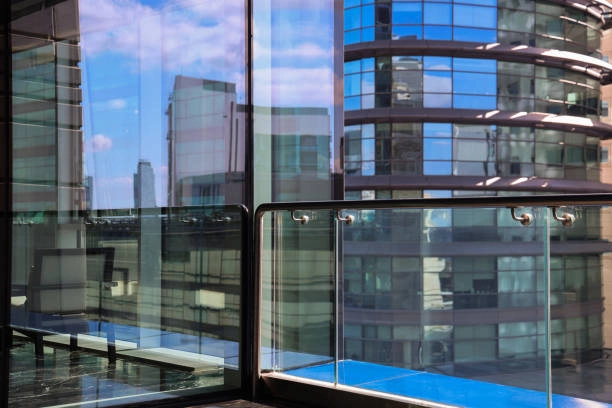
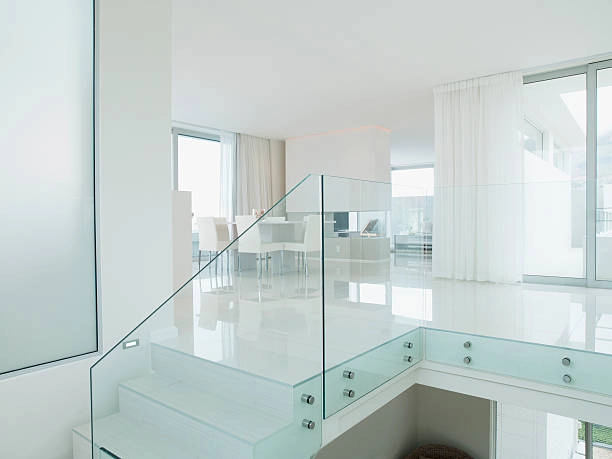
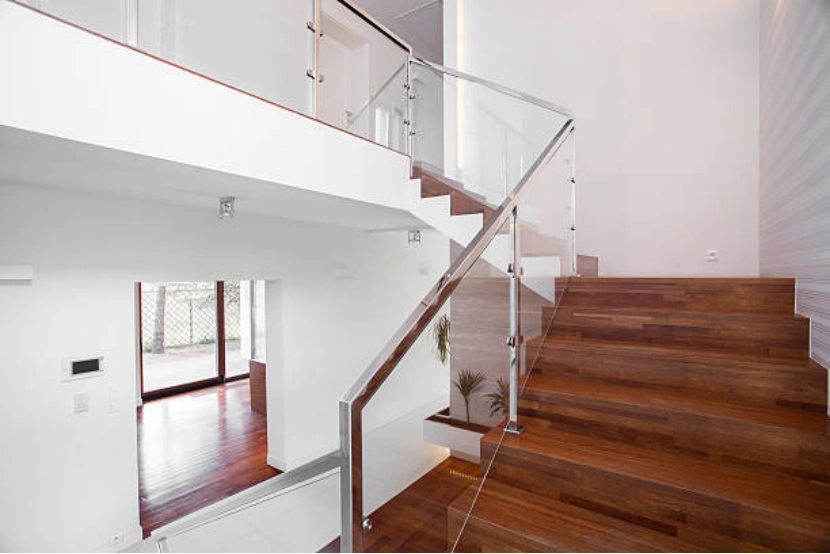
A glass railing system is a building fix that mixes glass panels with support parts like stainless steel, aluminum, or wooden frames. This setup keeps safety while keeping views open. People use these systems a lot on balconies, staircases, decks, and terraces. They have a clean look and let you see through without blocks. They let natural light move freely through areas. And they make a smooth link between inside and outside spots.
Today’s building styles like glass railings. They bring safety and grace without blocking views. You can use them in homes or business projects. They turn any spot into a smart and fresh place.
Why Choose Glass Railings Over Traditional Options?
Glass railings differ from wood or metal choices for a few key reasons. They boost natural light by removing sight blocks. This makes rooms seem bigger and more bright. Plus, glass needs little upkeep—not like wood that calls for steady staining or metal that might rust as time goes.
From a money angle, putting in glass railings adds lasting worth to places. Their simple style draws in current buyers and renters who like neat lines and open setups. What is more, they give endless class that fits both houses and business buildings like hotels or office spots.
Choosing the Right Type of Glass
Picking the proper kind of glass matters a lot for hitting both style aims and safety rules.
Common Types of Glass Used in Railings
There are a few types of glass for railing systems:
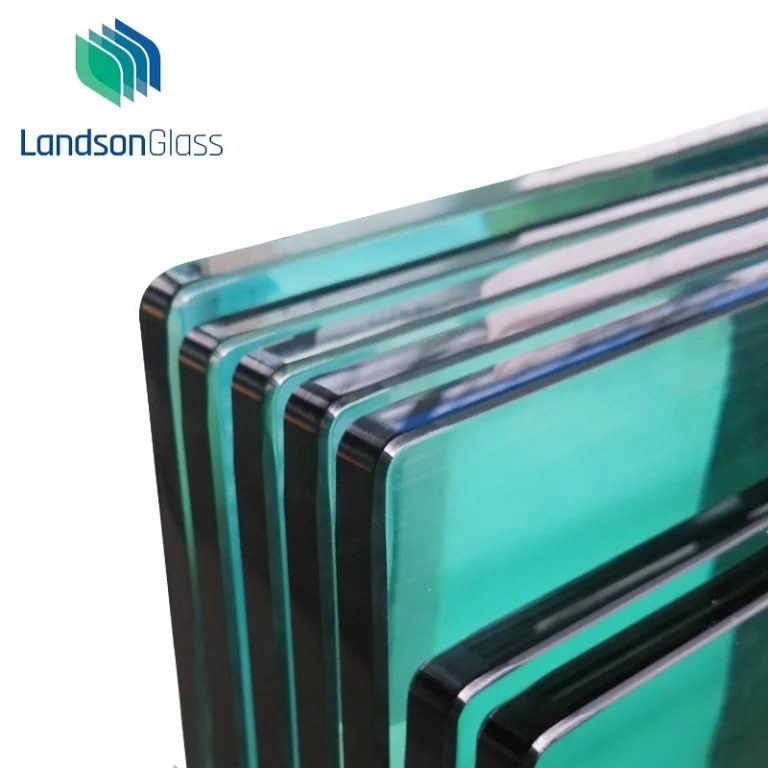
- 钢化玻璃:This heat-treated choice is four to five times tougher than regular annealed glass. When it breaks, it falls into small dull bits instead of sharp pieces. This cuts down hurt risk.
- 夹层玻璃:Also known as laminated glass, this kind has two or more layers stuck with an inner layer (often PVB). Even if it cracks, it stays whole—great for spots needing high safety.
- Frosted or Tinted Glass:These glass kinds give privacy without losing light pass. Folks pick them often for home balconies or bathroom walls where you need some cover.
Factors to Consider When Selecting Glass Type
When picking the right type of glass, think about:
- If the setup is inside or outside.
- The wanted amount of clearness or cover.
- Following local building rules on safety glass.
For instance, outside setups facing strong winds might need laminated panels for extra build strength.
Considering Glass Thickness and Structural Strength
Before setup, knowing how thickness changes how it works makes sure of top safety.
Recommended Thickness Levels for Different Applications
| Application | Recommended Thickness | Typical Use |
| Indoor Railings | 8–10 mm | Stairs, mezzanines |
| Outdoor Railings | 12–19 mm | Balconies, terraces |
Thicker panels fight off wind push and hit forces better—key for tall buildings or shore homes.
How Structural Strength Impacts Safety
Build strength touches steadiness as time passes. Well-fixed thick glass panels stand up to shakes and shifts better than thin ones. Using checked fixing setups like base shoes or post holds boosts lasting power under different weights.
Checking Building Codes and Safety Requirements
Following rules makes sure your railing system hits legal safety marks.
Understanding Local Regulations for Glass Railings
Building rules often set lowest railing height (usually about 42 inches), gaps between panels or posts (no more than 4 inches), and weight-hold needs. Sticking to these stops mishaps. It also gets okay from checks during building work.
Certification and Compliance Considerations
Always check that your picked stuff meets known marks like ASTM (American Society for Testing Materials), BS (British Standards), or EN (European Norms). Checked items promise tried work in hit resistance, edge power, and weather hold—cutting down risk for place owners.
Evaluating Installation Location
The setting plays a big part in picking which stuff works best over years.
Indoor vs Outdoor Applications
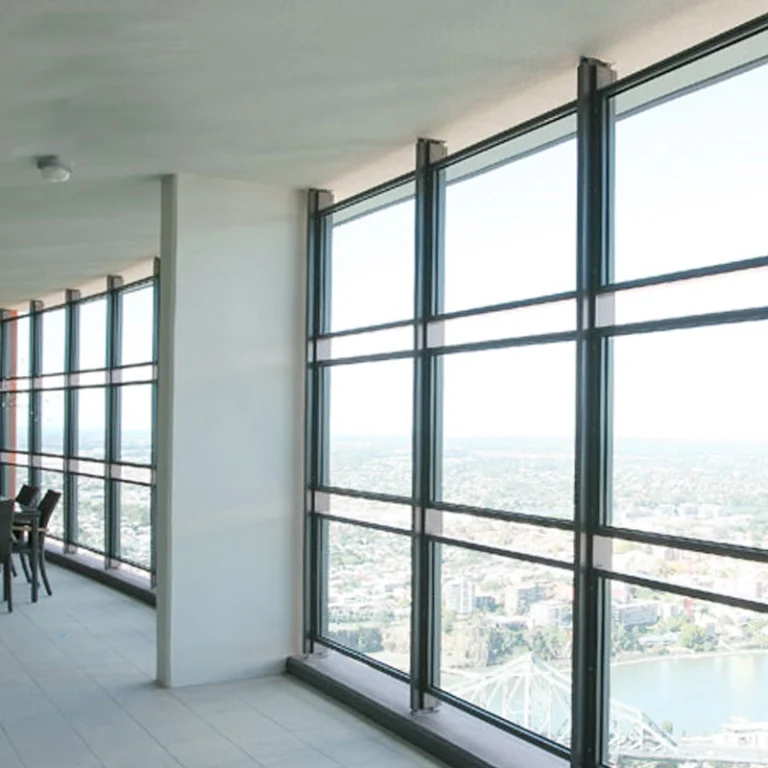
Inside railings focus on fine style with little seen parts. No-frame setups are common here. They keep views without breaks in living areas. Outside setups have to handle rough weather like UV rays, temp changes, wetness, and rain—so rust-proof fittings matter a lot.
Comparing Design, Hardware, and Materials
Style choices go from no-frame setups with steady glass panels fixed right into slots to post-fixed styles mixing glass with stainless steel holds. No-frame ways stress newness through plainness. Post-held types mix clearness with build outline—good for old styles wanting a bit of fresh touch.
Maintenance and Long-Term Durability
Good care stretches the life of any railing setup. It keeps its clearness too.
Cleaning Requirements for Glass Panels
Regular cleaning with soft cleaners stops dust or hard water marks from rain. Skip strong chemicals that might hurt guard coats on colored or rough surfaces.
Extending the Lifespan of Your Railing System
Check all moving parts now and then—tighten loose screws and swap old seals right away. This stops water getting in that can cause clouding between laminated layers. Steady care makes sure both work and looks stay good over many years.
Budget and Cost Considerations
Upfront costs might look higher than old stuff, but long-run gains often beat quick saves.
Cost Factors That Influence Pricing
A few things change price:
- Type of glass: Tempered picks are usually cheaper than laminated ones. But they give different safety levels.
- Hardware material: Stainless steel runs more but holds up longer than aluminum.
- Installation complexity: No-frame styles need exact work. This can raise work costs.
Balancing Quality With Affordability
Spending on top stuff cuts down later fix costs from rust or breaks. Ask for full price lists from several sellers before you decide—making sure clear costs match the quality they give.
兰森玻璃 leads in building glass new ideas as a pro supplier. It focuses on tempered, laminated, insulated, and decor fixes made for different project needs in home towers and business builds. Its top processing skills let custom making happen. This fits world quality rules. And it boosts every project’s style through exact-made clear fixes aimed at long work.
Frequently Asked Questions About Glass Railings
Which Type of Glass Is Best for Railings?
Tempered glass stays the top pick because of its mix of low cost and safety work. For better guard against breaks—mostly in public spots—laminated glass works well. It holds together even after hit damage.
How Can I Choose the Right Style for My Stairs or Balcony?
Match your style want with the building background: no-frame setups fit plain inside spots. Post-fixed ones go with classic styles that need seen build support parts.
What Is the 4-Inch Rule in Railing Design?
The “4-inch rule” says that gaps between posts or panels should not go over four inches—a key safety step stopping kids or pets from slipping through spaces on stairs or balconies.
Are There Any Disadvantages to Using Glass Railings?
Finger marks might show quick on clear faces, but care is easy with right cleaning ways. Setup costs could be more at first than wood or iron picks. Yet their toughness makes sure long worth through less care needs.