

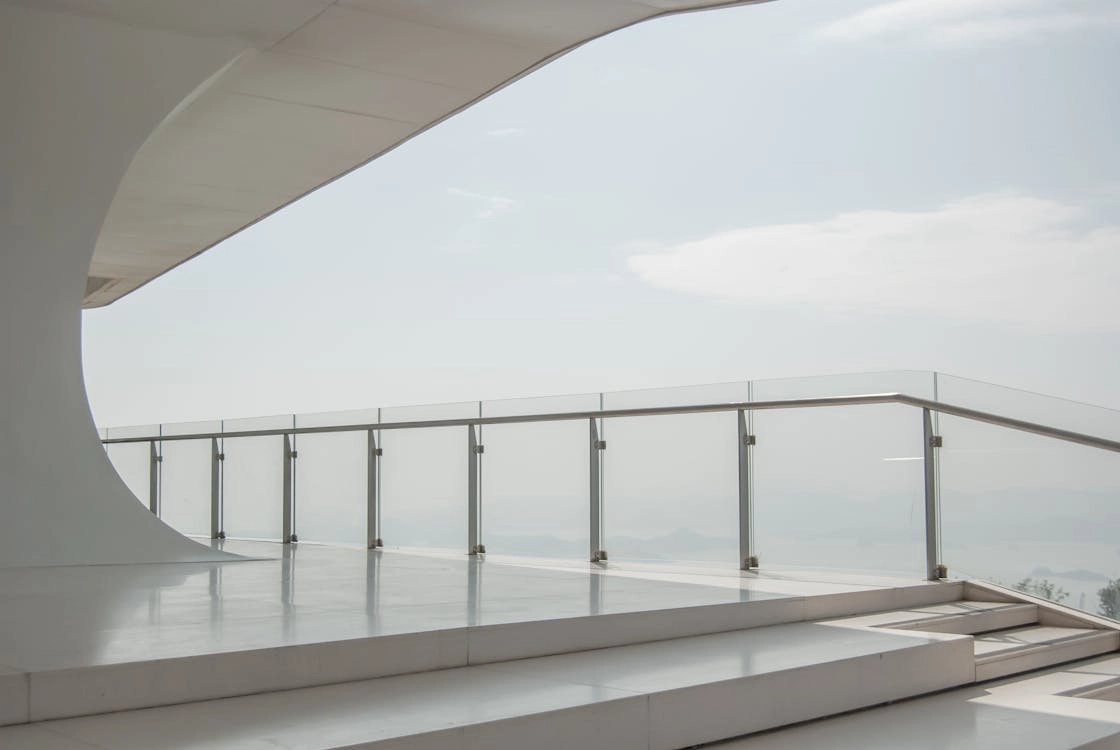
Lors de la conception ou de la rénovation d'espaces commerciaux, l'un des choix de sécurité les plus importants consiste à choisir où le verre trempé doit aller. La réponse est simple : utilisez-le n’importe où les gens peuvent toucher le verre ou où les risques d’impact sont élevés. verre trempé requis par le code. Il ne s’agit pas seulement de suivre les règles, il s’agit d’arrêter les blessures et de s’assurer que la structure dure longtemps.
Lieux commerciaux communs où le verre trempé est nécessaire
Dans les bâtiments d’aujourd’hui, le verre trempé joue un rôle clé dans l’apparence et la sécurité. Des portes aux endroits humides, son utilisation suit des règles de construction strictes.
Portes en verre et systèmes d'entrée
Les entrées sont parmi les parties les plus vues et les plus souvent utilisées de tout bâtiment d'entreprise. Les portes d'entrée, les vitrines et les portes tournantes ont généralement besoin de verre trempé pour la sécurité. Ces endroits voient une activité humaine constante. Le verre trempé gère bien les bosses quotidiennes. Cela réduit les chances de blessure si elle se casse. Lorsqu'il est cassé, il tombe en minuscules morceaux ronds, pas de morceaux tranchants. Cela aide à éviter les mauvaises blessures. Les codes de construction appellent souvent au verre trempé dans les endroits où beaucoup de gens touchent. Ils le font pour assurer une sécurité constante à l'intérieur et aux invités.
Fenêtres près des étages
Les fenêtres qui descendent près du sol sont considérées comme des endroits à risque. Ils font face à des coups possibles par hasard. Dans ces cas, le verre trempé arrête les morceaux pointus en cas d'accident ou de chute. Les règles fixent des limites de hauteur claires. Souvent, il est à environ 18 pouces du sol. Là, le verre trempé est un must. Cette règle veille à ce que même les fenêtres jolies ou hautes répondent aux exigences de sécurité. Ils le font sans perdre leur beau regard.
Escaliers, atterrissages et balustrades
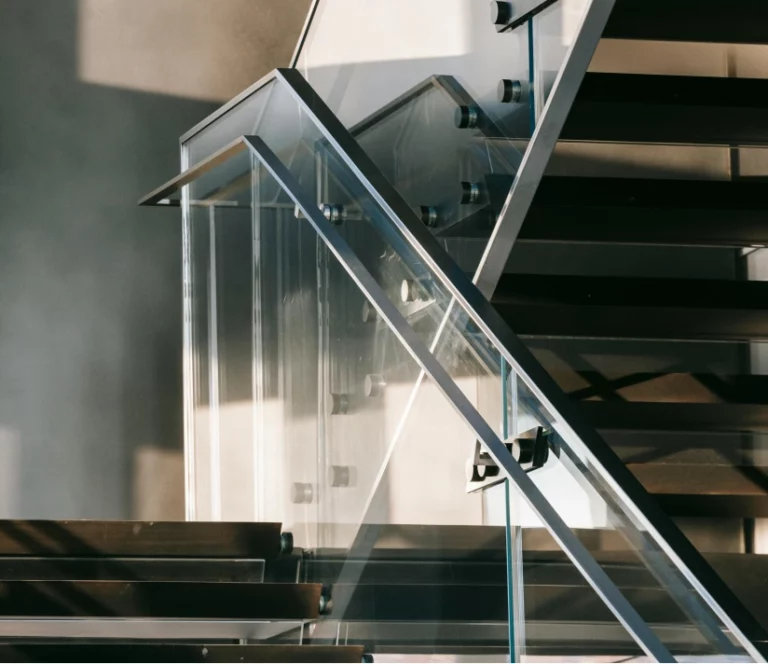
Les styles de bâtiment aiment maintenant des vues claires et des espaces ouverts. Donc, les escaliers et les balustrades utilisent souvent de grandes feuilles de verre. Panneaux en verre dans les escaliers ou les balustrades doit être trempé pour une construction forte. Ils font face à des poussées d'inclinaison ou de bosses surprises. Le verre de sécurité assure que les morceaux cassés s'éclatent au lieu de faire des côtés pointus. Le respect des règles aide à protéger les travailleurs et les invités dans des endroits fréquentés comme les halls d'entrée ou les magasins à plusieurs étages.
Zones humides et salles de bains
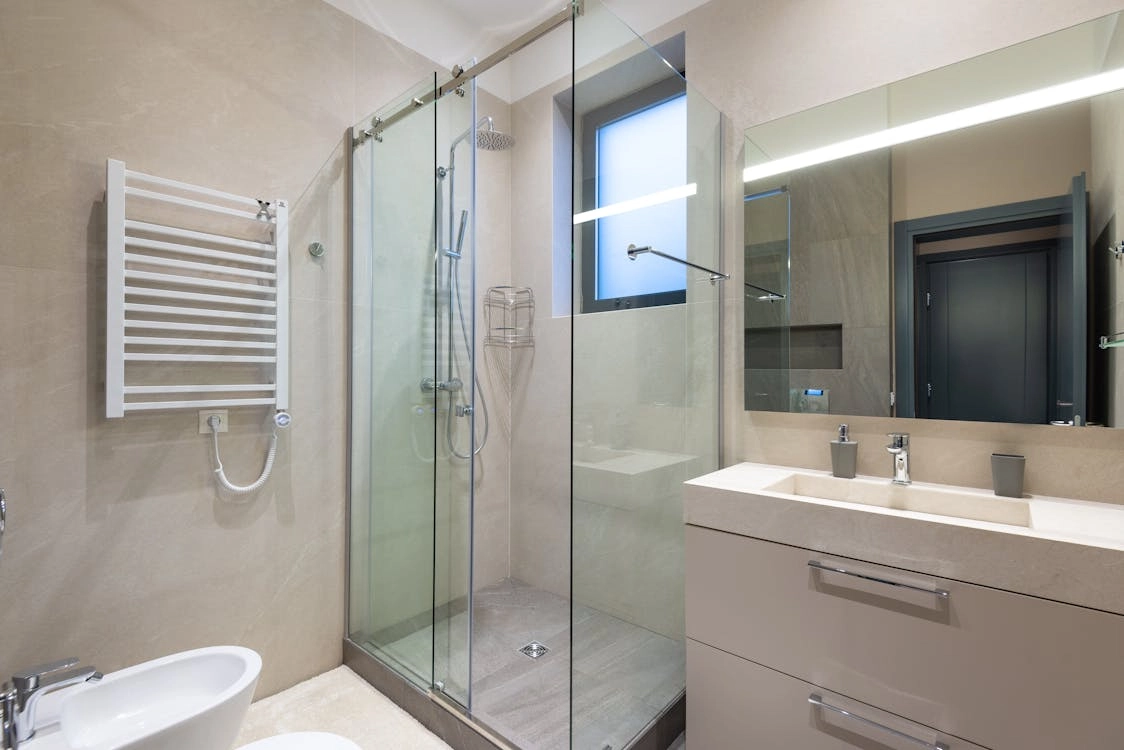
Des endroits avec beaucoup d'eau, comme zones douches, vestiaires, bains à remous, et spots par les piscines, tous ont besoin de verre trempé. L'eau rend les glissements plus probables. Les changements rapides de chaleur peuvent contraindre le verre normal. Le verre trempé résiste aux changements rapides de température qui se produisent dans des endroits humides. Il conserve sa vision claire et sa force au fur et à mesure que le temps passe.
Autres endroits dangereux nécessitant du verre trempé
Outre les taches habituelles, il y a quelques zones moins claires mais aussi clés où le verre trempé est un must.
Zones de trafic d'êtres humains ou zones d'impact potentiels
Les portes à côté des chemins ou des couloirs nécessitent souvent du verre trempé. Ce sont des endroits avec de fortes chances de frappe. Les accidents peuvent y arriver à partir de bosses. Les grandes vitrines près des promenades publiques comptent également comme zones touchées en vertu des règles de sécurité. Ces codes exigent du verre trempé. Ils visent à empêcher les blessures graves causées par des draps cassés causées par des actes de force ou de dommages accidentels.
Applications de vitrage en tête et en pente
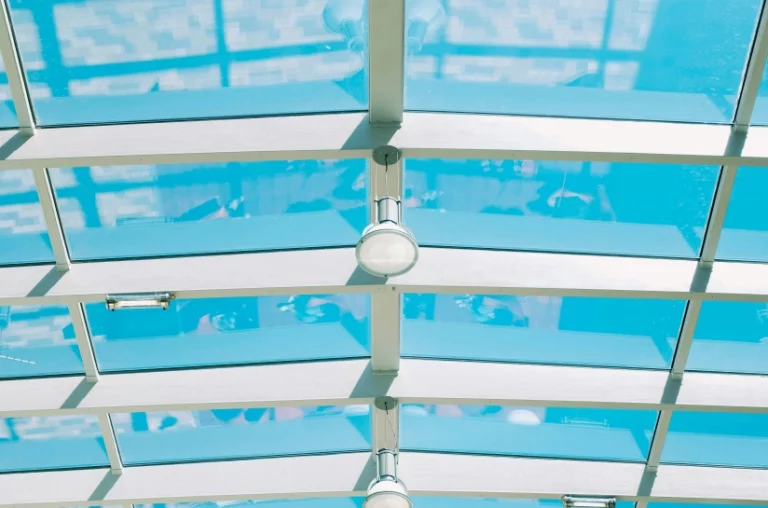
Les caractéristiques de conception telles que les lumières ouvertes, les couvertures et les fenêtres inclinées font face à des contraintes supplémentaires dues aux poussées du vent, aux chocs de déchets ou à la croissance de la chaleur. Les phares, les couvercles et les fenêtres inclinées doivent utiliser du verre de sécurité trempé ou stratifié. Cela les maintient difficiles tout en donnant une bonne vue et un passage léger. Dans de nombreux plans, les couches supplémentaires se mélangent avec le trempage pour une meilleure protection contre les risques de chute.
Codes de construction et normes à connaître
Obtenir les règles pour le verre de sécurité aide les constructeurs et les travailleurs à éviter les réparations coûteuses lors des contrôles.
Aperçu des exigences en matière de vitrage de sécurité
Le Code international du bâtiment (IBC) énumère les endroits où le verre de sécurité est nécessaire pour différentes utilisations dans les bâtiments. Les zones locales peuvent les changer en fonction des préoccupations locales comme les tremblements de terre ou les chocs du vent. L’apprentissage précoce permet aux équipes de planifier les bonnes solutions. Ils évitent les changements de dernière seconde lors des contrôles de construction.
Normes ASTM pour les performances du verre trempé
La norme ASTM C1048 définit les besoins en matière de fabrication et de résistance du verre trempé dans les bâtiments. Les tests assurent une qualité constante dans chaque lot. Ainsi, chaque feuille atteint des niveaux de sécurité connus avant d'être mise en place. Suivre les règles ASTM signifie que le verre fonctionne comme espéré dans la vie réelle.
Comment les architectes assurent la conformité dans les projets commerciaux
Les experts en conception ont pour tâche principale de s'assurer que tout le verre placé suit les besoins du code.
Considérations de phase de conception pour le vitrage de sécurité
Au stade de la planification, les architectes repèrent tôt les zones à risque possibles. Pensez aux endroits près des portes ou le long des sentiers. Ils choisissent si trempé ou stratifié convient mieux. Le bon choix du verre trempé sur le verre stratifié assure que les règles sont respectées dès le début. Il correspond également aux objectifs d'apparence avec les besoins de travail. Travailler avec des ingénieurs et des fournisseurs aide à aligner les besoins de style avec les exigences de construction.
Vérification pendant les phases de construction et d'inspection
Une fois que les choses arrivent sur le site, les travailleurs vérifient les étiquettes sur chaque feuille. Ils confirment les marques de trempage coupées par le fabricant. Ensuite, les contrôleurs examinent la hauteur de la place, l'épaisseur, le travail des bords et le cadre par rapport aux besoins du code avant de le régler. Il accélère le déménagement une fois la construction terminée.
Comprendre l'identification et la manipulation du verre trempé
Même les professionnels ayant de l'expérience demandent parfois comment vérifier si une feuille a reçu le bon traitement. Ou si elle peut changer après avoir fait.
Comment savoir si le verre est trempé ?
Si vous ne savez pas comment savoir si le verre est trempé, regardez de près un coin de la feuille. Il devrait y avoir une marque de coupe du fabricant ou une étiquette « trempée » montrant la preuve. Une autre façon utilise des lunettes de soleil spéciales qui bloquent l'éblouissement. Sous le soleil, ils ne montrent des lignes de tension que sur les côtés trempés. Lorsque les marques sont disparues ou difficiles à lire, les outils de test professionnels tels que les téléviseurs de contraintes peuvent vérifier le trempage rapidement sur place. Ils le font sans nuire à la feuille.
Le verre trempé peut-il être coupé ?
Une question habituelle pour les travailleurs est le verre trempé peut-il être coupé après avoir été mis en place? La réponse est non. La traction intérieure arrête tout travail de coupe ou de trou sans rompre complètement la feuille. Toutes les coupes, formes ou corrections de bord doivent avoir lieu avant le début du trempage en usine. Pour les changements après l'installation, comme le redimensionnement des pièces de porte ou l'ajout de nouveaux points de fixation, vous avez besoin d'une nouvelle pièce sur mesure. Ne pas essayer de changer sur les anciennes feuilles.
Choisir le bon type de verre de sécurité pour une utilisation commerciale
Le choix entre les types de verre de sécurité dépend de ce qui compte le plus. Comme la force, le blocage du bruit ou la tenue après la pause.
Comparaison du verre trempé avec des options de verre stratifié
Verre stratifié reste en une seule pièce après la rupture grâce à sa couche moyenne. Mais il peut ne pas correspondre à la force maximale des trucs pleinement tempérés. Dans certains emplois, comme les banques ou les aéroports, mélanger les deux stimule le travail. Il donne un bloc de frappe et maintient la puissance si elle échoue. Emploi spot, niveau de risque, limites d'argent, et vue claire vise toutes les formes qui mélange convient mieux à chaque utilisation.
Facteurs qui influent sur la sélection des bâtiments commerciaux
Combien de personnes se promenent compte beaucoup. Les magasins comme les fronts entièrement trempés pour une utilisation lourde. Les murs de bureau peuvent mélanger des pièces stratifiées pour maintenir le son. Les facteurs extérieurs tels que les niveaux d'humidité ou les rayons solaires guident également les choix. Les revêtements comme Low-E peuvent ajouter sans nuire aux règles de sécurité. De bonnes discussions entre les groupes de conception assurent que les objectifs de style correspondent aux besoins de la règle tout au long des étapes du plan.
verre Landson offre des solutions de verre de construction professionnelles conçues pour les emplois d'entreprise qui ont besoin d'articles fabriqués exactement répondant aux codes de construction difficiles dans le monde entier. Landson Glass est un vendeur de verre de construction professionnel offrant des services de trempage, de stratification, d'isolation et de travail agréable largement utilisés dans les travaux de construction d'aujourd'hui. Leur savoir-faire aide les architectes de l'idée à l'endroit en offrant des éléments à la preuve qui mélangent un beau look avec une force durable démontrée - une base clé pour tout lieu d'affaires sûr construit maintenant.
Questions fréquentes
Q1 : Pourquoi les codes de construction exigent-ils du verre trempé près des portes?
Parce que ces zones font face à un contact humain fréquent où les impacts accidentels pourraient causer des blessures si le verre recuit standard était utilisé.
Q2 : Quelle est la différence entre le verre de sécurité stratifié et trempé?
trempé se brise en petits morceaux lors de l'impact; stratifié reste intact en raison de sa couche intermédiaire même lorsqu'il est fissuré.
Q3 : Comment savoir si une fenêtre est réellement trempée?
Vérifiez une marque "trempé" gravée près d'un coin ou utilisez des lunettes polarisées pour voir les modèles de stress internes sous la lumière du soleil.
Q4 : Puis-je percer des trous dans des panneaux trempés existants?
Non, toute tentative provoquera un effondrement; tous les usinages doivent avoir lieu avant le trempage pendant la fabrication.
Q5 : Les éclairages sont-ils toujours nécessaires pour utiliser des vitrages de sécurité?
Oui, les installations aériennes telles que les lucarnes doivent utiliser des types trempés ou stratifiés selon les codes internationaux de construction pour la protection contre les chutes.