
A bathroom’s feel often comes from the type of glass used in its shower screens and partitions. Picking between frosted glass and clear glass goes beyond looks. It affects privacy, light, and how easy it is to clean. Architects, contractors, and designers need to know how each kind works. This helps them get both nice looks and good function in projects.
Common Glass Types Used in Shower Screens and Partitions
Modern bathrooms usually use two main materials. These are clear glass and frosted glass. Each one gives the space its own feel. Clear glass brings openness and see-through views. Frosted glass adds softness and keeps things private. When you put them next to each other, the choice is not just about style. It is about how the room should feel and work every day.
Properties of Frosted Glass for Shower Screens and Partitions
Frosted glass is known for spreading light without stopping it all.
Surface Treatment and Manufacturing Methods
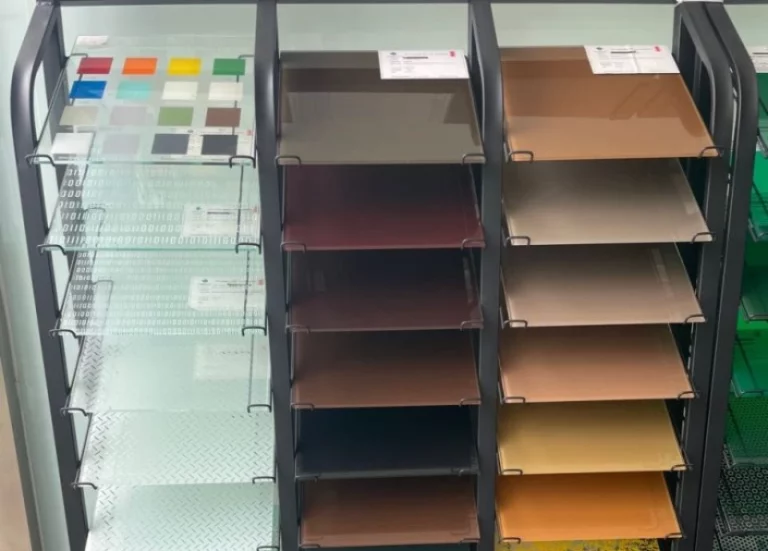
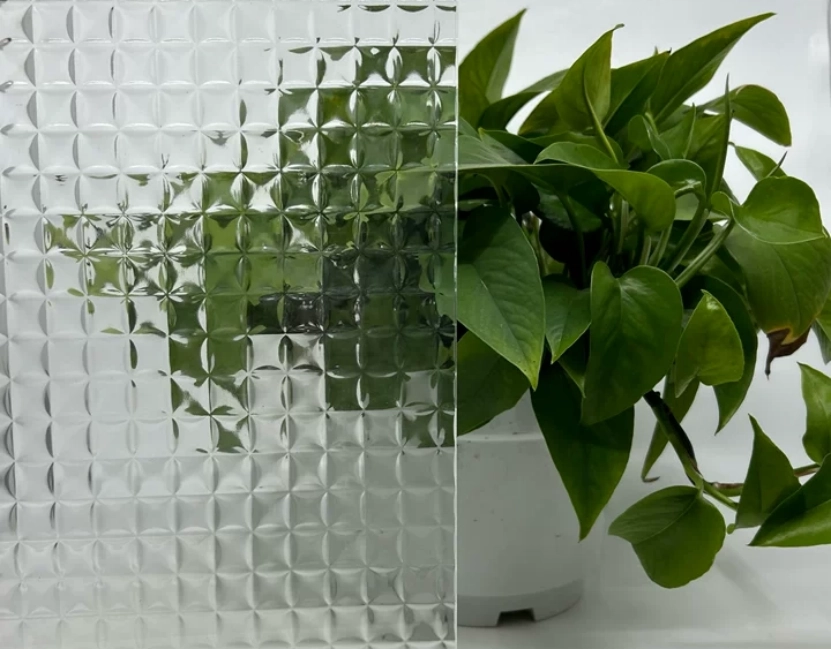
Acid-etched frosted glass starts with a normal sheet. Acid is put on one side in a controlled way. This leaves a smooth, matte surface that feels soft. The finish gives even light spread across the whole piece. It keeps good light flow but hides direct views.
Sandblasting shoots small rough bits at the glass at high speed. This wears away the surface. The feel is a bit rougher than acid-etched glass. Yet it gives deeper visual interest.
Functional Benefits of Frosted Glass
Frosted glass takes the edge off bright light. It creates a gentle glow in bathrooms instead of sharp reflections. You can pick different levels of see-through effect. Some are light and soft. Others hide almost everything.
Safety matters too. Frosted panels can be made stronger or layered based on the job. The stronger version is much tougher than normal glass. The layered version keeps pieces together if it breaks. This matters a lot in wet shower areas.
Characteristics of Clear Glass for Shower Screens and Partitions
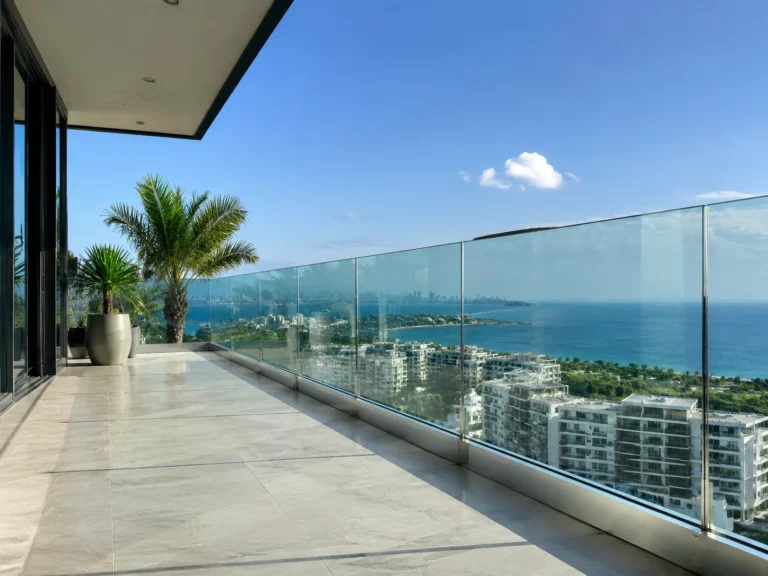
Clear glass stays popular when people want an open look. It makes small bathrooms seem larger. The see-through quality removes visual lines. This creates a smooth flow between the shower area and the rest of the room.
The clear view helps show clean design lines. But it also brings limits. Privacy stays low unless extra films are added. Clear panels show every drop and fingerprint right away. This means more regular wiping to keep them neat.
Even so, clear glass gives the cleanest look for modern styles. These styles focus on simple lines and open space. Frameless screens and floating walls are good examples.
Comparing Frosted Glass vs Clear Glass: Performance Insights for Architectural Use
Choosing one or the other means weighing how much you want to see against how much privacy you need. It also means balancing light with hidden views.
Light Transmission and Visual Privacy Balance
Clear glass lets the most light through. Daylight reaches far into the room. But there is no barrier to block views. Frosted glass spreads light evenly and hides shapes behind it. This quality works well in shared bathrooms or hotel rooms. Comfort and privacy both matter there.
Designers look at the room layout first. Open spaces may suit clear panels to keep sight lines open. Private rooms may suit frosted finishes for a calmer feel.
Maintenance Requirements and Durability Considerations
Both types can be made into strong safety glass that meets global rules for strength and heat. Adding a thin protective layer cuts down how much water sticks to either type. This keeps the look clear longer and slows damage from damp air.
Cost Efficiency and Long-Term Value Assessment
Clear panels usually cost a little less. They skip the extra steps of etching or blasting. In big hotel or apartment projects the cost gap per square meter often fades. Design goals matter more than small savings.
Application Scenarios in Commercial and Residential Projects
Both frosted and clear glass fit many kinds of projects:
- Residential Bathrooms: Homeowners often mix clear fixed panels with frosted doors. This gives a mix of open feel and private space.
- Hospitality Sector: Hotels use frosted partitions in guest rooms. They separate wet areas nicely without solid walls.
- Office Interiors: In company restrooms or wellness zones, frosted dividers keep things private. They still let light move around.
- Public Facilities: Strong safety versions hold up under busy use and meet strict clean rules.
Choosing Between Frosted and Clear Glass: Professional Recommendations
Picking the right glass starts with knowing the project details. It is better than just following current styles.
Factors Influencing Selection Decisions
Main points include the building type, such as a home or a hotel. They also cover how much privacy users want, the light in the room, how often cleaning can happen, and the overall design story. A calm home bathroom may favor frosted textures. A city loft may favor clear panels for a wide-open feel.
Aligning Material Choice with Design Intent
Good design matches the glass to the goal. Clear glass helps openness. Frosted glass supports comfort. When designers match these traits to wet and dry zones, the space feels whole instead of put together in pieces.
Partnering with Landson Glass
Working with skilled makers keeps quality steady from one batch to the next. vetro Landson’s production tools allow exact cuts, even frosting, reliable strengthening, and worldwide shipping help. These points matter when running projects across borders that need exact sizes and on-time delivery.
Safety Standards and Processing Options
Tempered safety glass is heated in a controlled way and then cooled fast. This makes it up to five times stronger than normal glass. If it breaks, it turns into small blunt pieces instead of sharp ones. This is key for safety in showers.
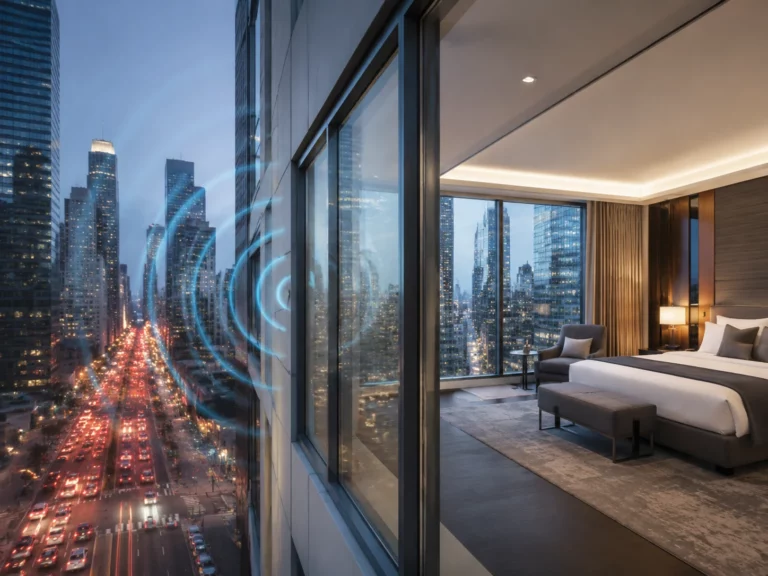
Layered options use two or more sheets joined by special films. The films hold the pieces if the glass cracks. This also adds sound control and keeps the structure safe even after damage.
Customization Capabilities
Landson Glass offers choices in several areas:
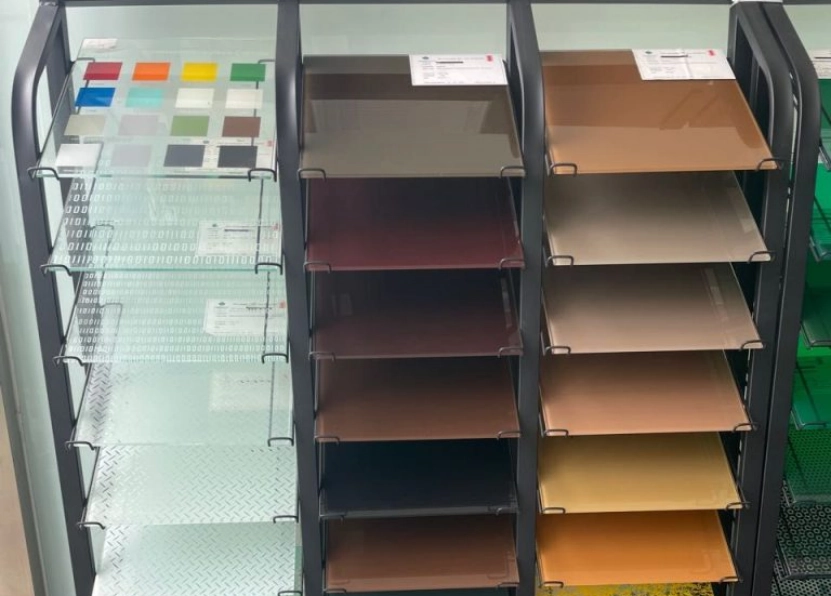
- Thickness Range: Standard options run from 2.2 mm to 12 mm based on how much weight the glass must hold.
- Edge Finishing: Panels can come with smooth edges and holes ready for common hinge sets.
- Coating Enhancements: Low-E coating makes buildings more energy-efficient and more comfortable.
Domande frequenti
Q1: What thickness of glass is best for shower screens?
Most setups use 8 mm–10 mm tempered safety glass. This gives strength without too much weight on the fittings.
Q2: Does frosted glass reduce natural light significantly?
No. It spreads light instead of blocking it. This keeps the room bright while still giving privacy.
Q3: How do I keep clear shower screens free from water stains?
Using water-repellent coatings or wiping the surface after each use cuts down on mineral spots.
Q4: Can both clear and frosted glasses be customized with patterns?
Yes. Sandblasting can add designs to either type based on the look you want.
Q5: Which option lasts longer in humid environments?
Both hold up well when edges are sealed right. Extra coatings help them last even longer in damp air.