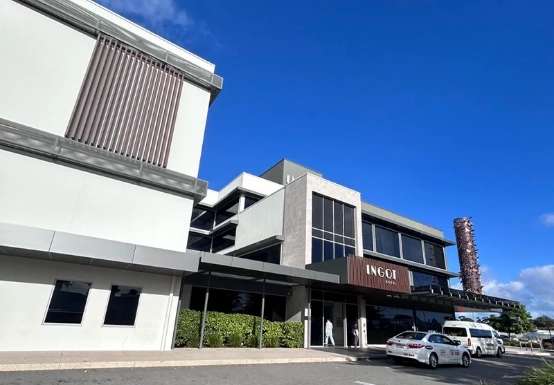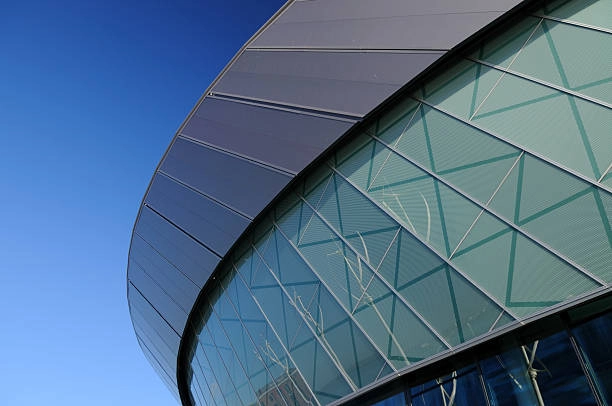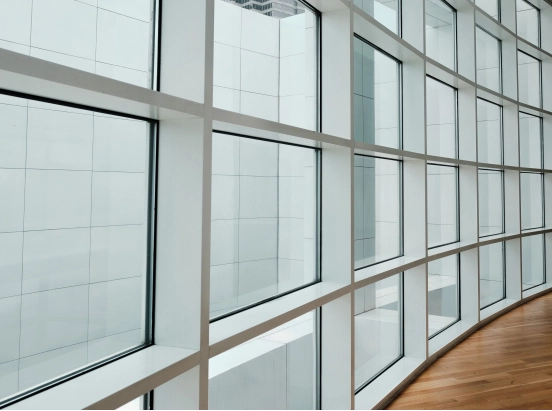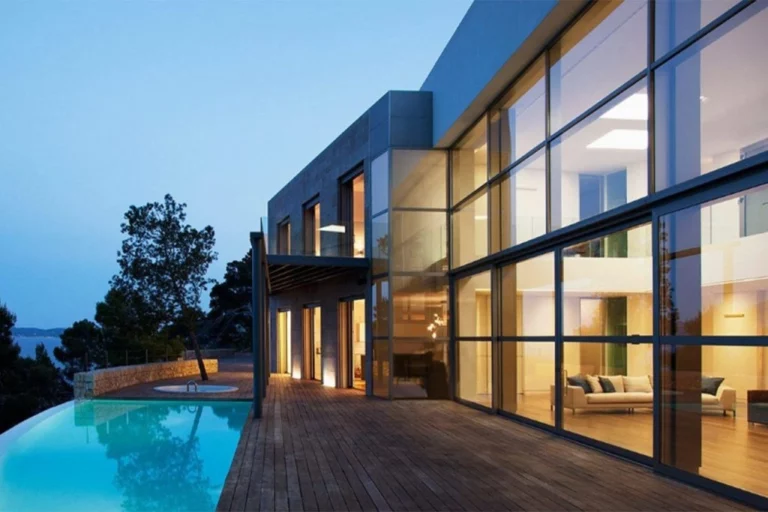


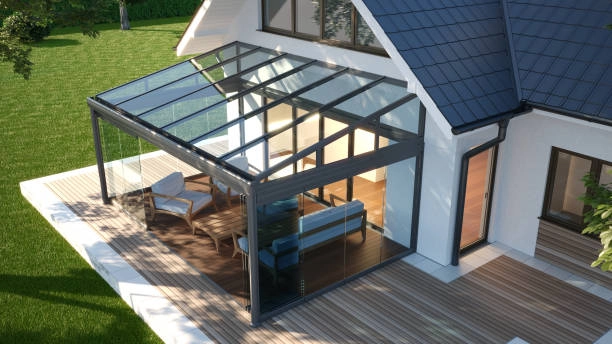
Gli edifici commerciali moderni spesso presentano un aspetto pulito, dettagli precisi e idee ecocompatibili. La copertura frontale sopra la porta, un tempo, serviva solo a proteggere dalle intemperie. Ora, invece, riflette gli obiettivi progettuali dell'edificio. Chi progetta e costruisce pensando al futuro, considera le vetrate delle pensiline non solo come elementi estetici, ma anche come conciliare sicurezza, funzionalità e stile. La scelta del vetro migliore trasforma una semplice porta in un elemento di design, elegante e resistente, che accoglie i visitatori e resiste bene alle intemperie.
Perché sicurezza e prestazioni sono fondamentali nei progetti commerciali del 2026
Le normative per il 2026 prevedono regole più severe in materia di resistenza agli urti e capacità portanti dei sistemi di vetrate a soffitto. Questi cambiamenti derivano dalla maggiore frequenza di tempeste, dalle nevicate più intense e dalla necessità di garantire la sicurezza dei pedoni sottostanti. Allo stesso tempo, gli obiettivi di sostenibilità ambientale promuovono l'utilizzo di vetri che consentano di risparmiare energia e contribuiscano a migliorare l'efficienza energetica dell'intero edificio.
I progettisti necessitano di vetrate per pensiline che siano strutturalmente resistenti e che al contempo favoriscano l'ingresso di luce naturale e il comfort in prossimità delle porte. In questo contesto, sia il tipo di vetro che la qualità della sua fabbricazione influiscono sulla sicurezza e sulla durata nel tempo.
Principali tipologie di vetro utilizzate nei sistemi di copertura
Il tipo di vetro determina quanto bene una tettoia si integri esteticamente con le reali esigenze. Ogni tipo soddisfa diversi obiettivi costruttivi o di sicurezza.
Vetro temperato per garantire l'integrità strutturale.
Vetro temperato Rimane la scelta principale per la maggior parte dei faretti a soffitto. Offre una buona resistenza e sopporta bene il calore. I produttori lo riscaldano a quasi 600 °C e poi lo raffreddano rapidamente. Questo esercita pressione sulla superficie e gli consente di sopportare un peso molto maggiore rispetto al vetro normale.
Quando i pezzi in acciaio temprato si rompono, cosa che non accade spesso, si trasformano in piccoli frammenti anziché in schegge taglienti. Ciò riduce il rischio di lesioni. Questo li rende adatti e sicuri per le pensiline sopra le aree pedonali.
Vetro stratificato per maggiore sicurezza
Vetro laminato Funziona anche in un altro modo. I produttori uniscono due o più strati di vetro con pellicole come PVB o SGP. Se uno strato si rompe, la pellicola mantiene i frammenti al loro posto, impedendo che cadano sulle persone sottostanti.
Oltre alla protezione, questi sistemi bloccano il rumore della strada e impediscono ai dannosi raggi UV di entrare nelle hall. Per le aree di ingresso trafficate e soleggiate, la combinazione di sicurezza e comfort rende i pannelli laminati un'ottima scelta.
Opzioni di vetro trattato termicamente e imbevuto di calore
Alcuni lavori richiedono una maggiore affidabilità, come la realizzazione di edifici alti o ampie tettoie. Il vetro trattato termicamente aiuta a prevenire rotture improvvise dovute a minuscoli difetti interni. Il trattamento termico riscalda nuovamente i pannelli a una temperatura prestabilita, individuando eventuali difetti nascosti prima dell'installazione.
Il vetro trattato termicamente acquisisce maggiore resistenza, mantenendo al contempo un aspetto trasparente simile a quello del vetro normale. Viene scelto quando anche l'aspetto estetico delle pareti è importante quanto la resistenza.
Innovazioni architettoniche all'avanguardia nel settore del vetro per gli ingressi del 2026.
Con il progredire degli strumenti, si ampliano anche le possibilità offerte dal vetro nelle configurazioni delle tettoie.
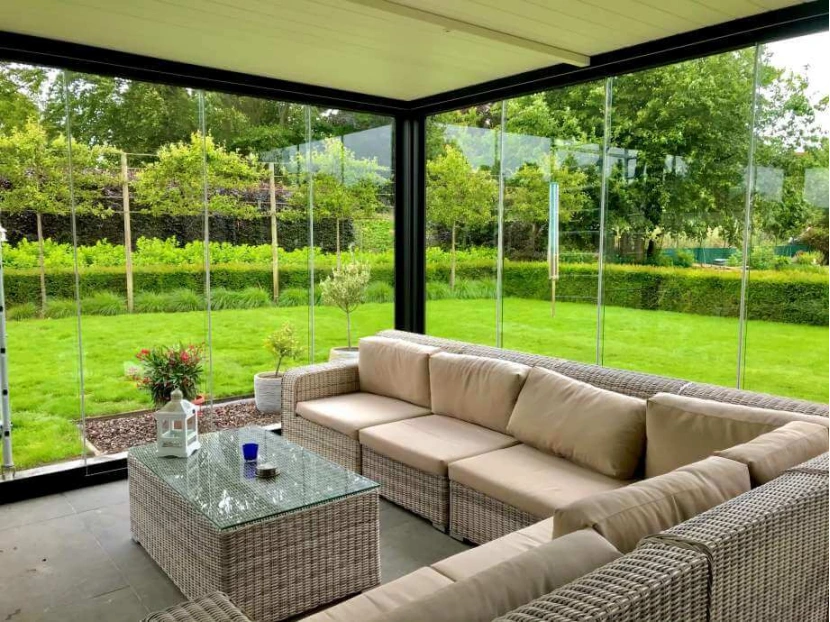
Vetro con rivestimento a bassa emissività per un maggiore risparmio energetico.
I rivestimenti a bassa emissività (Low-E) riflettono i raggi di calore ma lasciano passare la luce. Questo contribuisce a mantenere temperature costanti nelle aree antistanti le porte, riducendo il calore in eccesso in estate e la dispersione termica in inverno. Per le hall con ampie vetrate o pensiline, questi rivestimenti riducono il consumo energetico mantenendo al contempo un ambiente luminoso.
Spesso le persone lo notano subito. Le transizioni graduali tra l'esterno e l'interno risultano più piacevoli e riducono i costi di riscaldamento, ventilazione e condizionamento nel tempo.
Trattamenti superficiali antiscivolo e satinati per una maggiore sicurezza.
Quando le pensiline fungono anche da passerelle o aree di servizio, le superfici antiscivolo risultano utili. Le superfici ruvide o satinate offrono una migliore aderenza anche da bagnate e diffondono comunque la luce, riducendo l'abbagliamento sottostante.
Queste superfici consentono inoltre ai designer di aggiungere motivi o marchi direttamente sul vetro senza perdere le zone trasparenti dove necessario.
Considerazioni di progettazione strutturale per installazioni di vetrate su pensiline.
Un buon vetro è solo una parte del lavoro. Una solida ingegneria garantisce che ogni pannello rimanga sicuro per anni.
Capacità di carico e sistemi di supporto
Lo spessore del vetro richiede calcoli precisi basati sulla spinta del vento, sul peso della neve, sui carichi dinamici esercitati dalle squadre di manutenzione e su altre forze. Elementi di supporto come raccordi in acciaio inossidabile, sistemi a ragno e tiranti mantengono ogni pannello ben saldo, preservandone al contempo la leggerezza.
Norme come ASTM E1300 o EN 1991 aiutano a stabilire margini di sicurezza per i progetti in tutto il mondo. Ingegneri e costruttori lavorano insieme affinché i calcoli si traducano in una reale resistenza dopo l'installazione.
| Tipo di carico | Fattore di progettazione | Considerazioni tipiche |
| Carico del vento | Esposizione regionale e altezza | Aumento dello spessore o della spaziatura dei supporti |
| Carico di neve | Pendenza del tetto e clima locale | Progettazione e rinforzo del drenaggio |
| Carico in tempo reale | Accesso per la manutenzione | Resistenza allo slittamento e ridondanza |
Rifinitura dei bordi
La lavorazione dei bordi influisce sulla durata del vetro. I bordi lisci riducono i punti di stress che potrebbero innescare piccole crepe sotto carico. Le dimensioni precise dei fori intorno ai supporti impediscono rotture premature dovute al serraggio dei bulloni durante l'installazione.
Aspetti relativi a durata e manutenzione delle soluzioni in vetro per pensiline.
La durata del vetro dipende dalla sua resistenza agli agenti atmosferici, al sole, ai cicli di umidità, allo sporco e all'usura.
Resistenza agli agenti atmosferici e fattori di prestazione a lungo termine
Una buona pellicola protettiva protegge le parti metalliche dalla ruggine e riduce le macchie d'acqua sulle superfici. Le pellicole per esterni applicate sui vetri stratificati resistono al distacco anche in presenza di forti escursioni termiche tra il giorno e la notte. Questo è particolarmente importante nelle zone con notevoli variazioni stagionali.
I controlli regolari consentono di individuare precocemente l'usura delle guarnizioni o l'affaticamento dei componenti prima che si trasformino in guasti costosi. Molti team di manutenzione ora controllano i vetri annualmente, insieme alla cura delle pareti, per garantire il corretto funzionamento di tutte le parti in vetro.
Strategie di pulizia e protezione delle superfici
Il vetro piatto accumula polvere, polline o macchie di calcare dovute alla pioggia che si asciuga. I rivestimenti idrorepellenti facilitano la rimozione dello sporco in caso di pioggia o durante la normale pulizia. Le procedure di pulizia sicure con strumenti morbidi adatti al rivestimento mantengono la visuale nitida e prevengono piccoli graffi che potrebbero indebolire il vetro nel tempo.
Tendenze future che influenzeranno la progettazione delle vetrate per pensiline nei progetti del 2026
La prossima generazione di design per porte combinerà strumenti intelligenti con idee basate su materiali ecocompatibili.
Integrazione delle tecnologie per vetri intelligenti
Il vetro intelligente commutabile consente ai gestori di modificare il grado di trasparenza tramite strumenti elettrocromici o a cristalli liquidi. È possibile regolare la tonalità in base all'intensità del sole o al numero di persone presenti vicino alle porte. Questo riduce il consumo energetico e mantiene elevato il comfort allo stesso tempo. L'edilizia sostenibile ora privilegia il vetro riutilizzabile e conforme alle certificazioni ecologiche come LEED o BREEAM. I vetri stratificati leggeri riducono i costi di spedizione senza compromettere la resistenza.
Il ruolo in evoluzione di vetro Landson
Le nuove idee nascono da team di designer, ingegneri, costruttori e artigiani. Le aziende con solide competenze costruttive possono realizzare pannelli curvi su misura o forme irregolari che si adattano alle linee delle pareti, rispettando al contempo le rigide normative di enti come ASTM International o le norme EN.
La nostra competenza ci permette di garantire che ogni progetto rispetti sia le norme di sicurezza che l'aspetto estetico, dalle piccole vetrine dei negozi ai grandi complessi di uffici, dove la prima impressione è fondamentale.
Domande frequenti
D1: Qual è il tipo di vetro più sicuro per le pensiline?
Il vetro temperato stratificato offre una sicurezza superiore perché combina resistenza e capacità di trattenere i frammenti dopo la rottura.
D2: Quanto deve essere spesso il vetro della tettoia?
Lo spessore dipende dalla dimensione della campata, dalla distanza tra i supporti, dalle zone di carico del vento e dalle normative locali; in genere è compreso tra 12 mm e 25 mm per le installazioni commerciali.
D3: Il rivestimento a bassa emissività influisce sulla visibilità?
No, i moderni rivestimenti a bassa emissività mantengono una visuale nitida riflettendo al contempo il calore infrarosso, migliorando così l'efficienza energetica in prossimità degli ingressi.
D4: Con quale frequenza è necessario ispezionare il vetro della copertura?
Si raccomanda di effettuare ispezioni annuali per verificare l'integrità dei componenti, le condizioni del sigillante e l'usura superficiale dovuta all'esposizione agli agenti atmosferici.
D5: Le pensiline in vetro intelligente sono costose?
Hanno un costo iniziale maggiore rispetto ai vetri tradizionali, ma possono compensare la spesa nel tempo grazie al risparmio energetico e al maggiore comfort degli occupanti.