

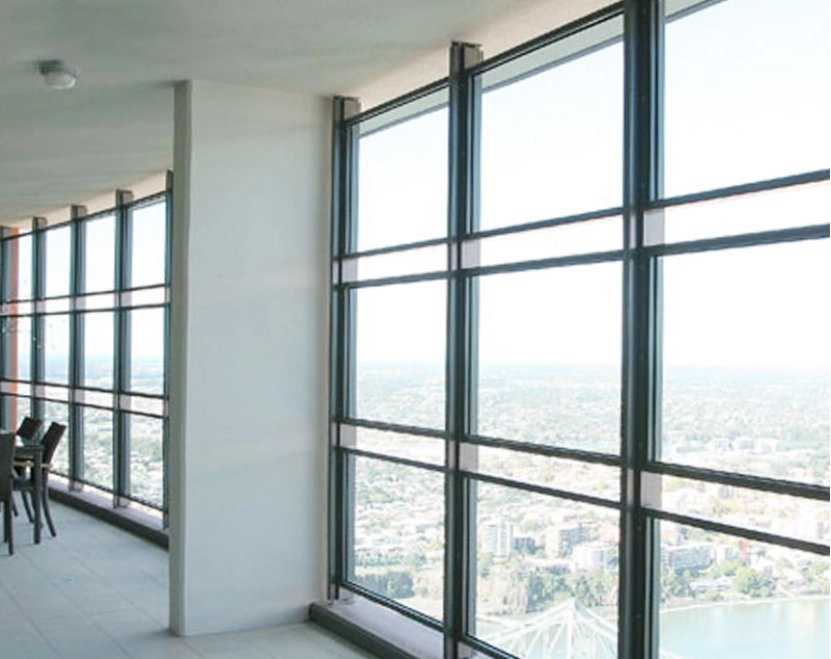
Il controllo del suono rappresenta uno degli ostacoli più difficili di oggi’ progettazione di edifici commerciali. Luoghi di lavoro, posti di alloggio e aree mediche hanno tutti bisogno di interni sereni mantenendo ampie viste e ampia luce diurna. La soluzione viene spesso dall'insonorizzazione in vetro commerciale: configurazioni di finestre su misura che fermano i suoni indesiderati senza perdere viste chiare o attrattivo visivo.
Cos'è l'insonorizzazione del vetro commerciale?
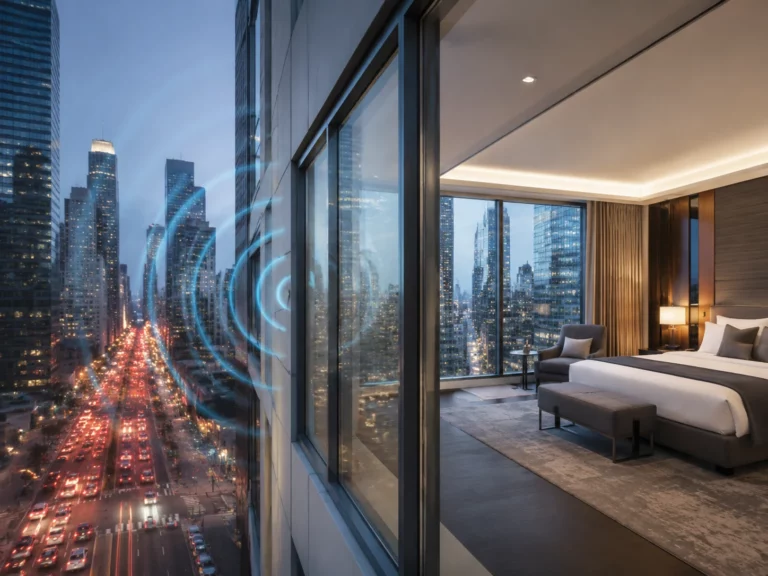
Isolamento acustico in vetro commerciale significa trattamenti avanzati per finestre che riducono il passaggio acustico attraverso vetri, divisori e pareti esterne. I costruttori creano queste configurazioni con diverse lastre di vetro, riempimenti assorbenti del rumore o unità sigillate che assorbono e rimbalzano le onde sonore. In ambienti urbani trafficati o nei luoghi vicini a piste e autostrade, tali pannelli insonorizzati aumentano notevolmente la facilità e la potenza di lavoro abbassando la racchetta esterna.
Come funziona l'insonorizzazione del vetro
Il suono si muove attraverso l'aria e le cose firme come vibrazioni. Colpisce una faccia di vetro, e qualche energia scivola attraverso mentre il resto rimbalza via. I progettisti mirano in vetro acustico per frenare quanto vibrazione si sposta da un lato all'altro. I fogli di vetro più densi combattono le vibrazioni più fortemente. Aumentare la profondità aggiunge peso, che aiuta a frenare i rumori profondi come i rumori del veicolo o i rumori della macchina.
- I più strati migliorano le prestazioniLe costruzioni impilate, come le unità legate o a doppio vetro, aumentano la separazione.
- Spazi d'aria assorbono il suonoLo spazio tra i fogli, riempito di aria o gas innocuo, funge da tampone.
- Interstrati speciali riducono le vibrazioniI riempimenti rumorosi di materiali come PVB (polivinilbutirale) o EVA (etilene-acetato di vinile) ammorbidiscono gli shake tra gli strati di vetro.
Tipi di vetro insonorizzato per uso commerciale
Diverse configurazioni di finestre offrono diversi livelli di barriera rumorosa in base a ciò che un progetto richiede e ai suoi fondi.
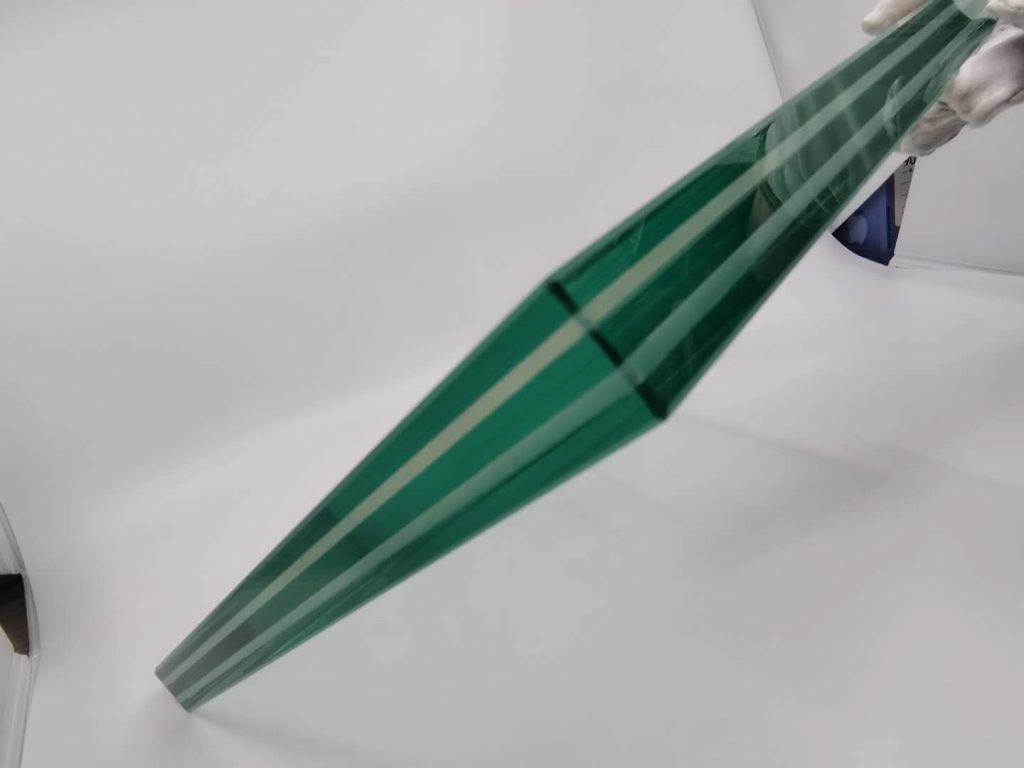
vetro acustico laminato
Vetro acustico laminato impiega uno o più riempitori di rumore PVB per assumere la potenza sonora. Aumenta la quiete e aumenta la sicurezza anche, poiché rimane intero dopo la rottura. Potresti sceglierlo per divisori sul posto di lavoro o pareti esterne di fronte al trambusto urbano.
Doppio vetro (unità di vetro isolato)
Unità di vetro isolato (IGU), noto anche come unità a doppio vetro, o unità a triplo vetro sono pannelli di finestra a doppio o triplo vetro separati da aria o argone pieno di spazio per ridurre il trasferimento di calore attraverso il sistema di vetro. Questa impostazione aiuta anche a fermare il rumore. Lo spazio chiuso tra i fogli ribalta le onde sonore. Per ottenere risultati più forti, si varia ogni foglio’ profondità. Ciò salta le vibrazioni corrispondenti ai campi chiave.
Sistemi di triplo vetro
Le configurazioni a triplo vetro includono un altro foglio e spazio per una barriera di alto livello. Si adattano bene in luoghi che richiedono un forte controllo del rumore, come le locande presso gli aeroporti o le cliniche vicino alle strade affollate.
Vetro acustico temperato
Vetro indurito o temperato è un vetro di sicurezza trattato con trattamenti termici o chimici controllati per aumentarne la resistenza rispetto al normale vetro ricotto. Quando si accoppia con costruzioni incollate, le lastre acustiche temperate offrono robustezza e un solido taglio del rumore - ideale per grandi pareti esterne sotto rigorose regole di sicurezza.
Fattori chiave che influenzano le prestazioni di insonorizzazione
Alcuni elementi principali determinano quanto un sistema di finestre fermi il rumore:
- Spessore vetro: I fogli più profondi resistono meglio alle vibrazioni.
- Numero di stratiFogli extra creano più stop per il suono.
- Dimensioni dello spazio d'ariaSpazi più ampi aiutano la barriera a un limite; dopo di che, i guadagni si appiattano.
- Qualità del telaio e della tenuta: tenute deboli lasciano scivolare il suono anche se il vetro funziona bene.
- Qualità dell'installazione: Montaggio esperto assicura giunzioni strette e uscita costante su tutti i fogli.
Classificazione STC spiegata (Classe di trasmissione del suono)
Il rating STC misura quanto bene una roba taglia il passaggio sonoro trasportato dall'aria. Per finestre commerciali:
| Valutazione STC | Applicazione tipica | Descrizione |
| 30–35 | Finestre standard a pannello singolo | Separazione interna di base |
| 36–40 | Unità a doppio vetro | Controllo del rumore esterno moderato |
| 41–50 | Sistemi acustici laminati | Partizioni da ufficio ad alte prestazioni |
| 50+ | Facciate a triplo vetro | Isolamento acustico premium |
Un rating STC più grande segnala una diminuzione del rumore più forte. Gli architetti scelgono le finestre in base ai tagli di decibel necessari per determinate aree edilizie.
Applicazioni comuni del vetro insonorizzato commerciale
Le finestre barriere al rumore servono molti campi dove la calma e l'isolamento contano molto.
Partizioni per uffici e sale riunioni
Divisori incollati o a doppio pannello in vetro acustico mantengono le conversazioni private durante le sessioni. Allo stesso tempo, collegano gli spazi con la vista. Molti trovano che l'aggiunta di tali pareti di vetro trasforma le aree di lavoro aperte in zone focalizzate. Ottieni produttività senza blocchi visivi.
Edifici commerciali e facciate
Le attuali conchiglie esterne mescolano l'aspetto con la funzione. Le squadre utilizzano unità sigillate o incollate nelle pareti per ridurre i suoni stradali che entrano nei luoghi di lavoro. La luce del giorno scorre liberamente.
Alberghi e spazi ospitali
I visitatori apprezzano il buon riposo soprattutto. Finestre con alta STC blocco cittadina clamor, in modo che la gente all'interno riposo tranquillo in mezzo al trambusto esterno.
Strutture sanitarie ed educative
Le cliniche richiedono ambienti pacifici per aiutare la guarigione. Le scuole vogliono spazi per concentrarsi. Le finestre acustiche soddisfano questi obiettivi. Domesticano eco interiori e interruzioni esterne allo stesso modo.
Aggiorna il tuo spazio con soluzioni di vetro insonorizzato
Gli spazi commerciali moderni beneficiano notevolmente di avanzati sistemi di vetro insonorizzato che equilibrano il comfort silenzioso con il design aperto. Che si tratti di aggiornare le finestre esistenti o installare nuovi vetri acustici, queste soluzioni riducono le distrazioni acustiche mantenendo la luce naturale e la visibilità. Dal vetro insonorizzato agli uffici e agli alberghi, all’assistenza sanitaria e alle strutture educative, migliora la produttività, la privacy e il benessere generale.
Scegliendo in modo flessibile la combinazione appropriata di unità laminate, a doppio vetro o a triplo vetro, le entità commerciali di vari settori possono raggiungere prestazioni acustiche su misura che armonizzano la funzionalità con l'estetica, creando così un ambiente ideale che sia tranquillo che visivamente accattivante.
Perché scegliere noi?
Gli interni sereni nascono da scelte intelligenti nel design, sostenute da un know-how materiale fresco. Scegli un fornitore solido per assicurarti che le tue spese producano guadagni costanti a lungo termine. vetro Landson, un processore di vetro ben radicato e affidabile, ha servito i settori del vetro e del vetro in Australia, Nuova Zelanda e varie altre nazioni dal 2002. La nostra gamma copre temperato, laminato, isolato, modellato, specchio & amp; verniciati, schermati e occhiali intelligenti, tutti adattabili alle esigenze di costruzione in tutto il mondo. Ci vantiamo di una forte produzione per stock personalizzato in massa o articoli di costruzione su misura per soddisfare usi difficili e obiettivi di risparmio energetico.
FAQ sull'insonorizzazione in vetro
Q1: Quale valutazione STC dovrei cercare nelle finestre degli uffici?
Per i soliti luoghi di lavoro con traffico equo, un STC tra 38-45 spesso dà abbastanza facilità ad un prezzo equo.
Q2: Il vetro più spesso significa sempre una migliore insonorizzazione?
No, non sempre. Oltre le profondità impostate, i guadagni svaniscono a meno che non aggiungiate spazi destri o strati legati che affrontano tonalità diverse.
Q3: Posso retrofittare le finestre esistenti con vetri acustici?
Certo, i vetri aggiuntivi all'interno dei telai correnti possono sollevare l'output senza scambiare tutto.
Q4: Come posso mantenere il vetro acustico laminato?
Attenzione a detergenti leggeri. Mantenere gli oggetti taglienti da punti di bordo dove sigillano i telai tattili. Ciò mantiene l'impermeabilità solida per anni.
Q5: Le finestre a tre vetri valgono la pena per gli edifici commerciali?
In luoghi colpiti da rumori esterni forti come piste o autostrade, le configurazioni triple apportano chiari aumenti nel risparmio energetico e nella quiete rispetto a quelle doppie.