

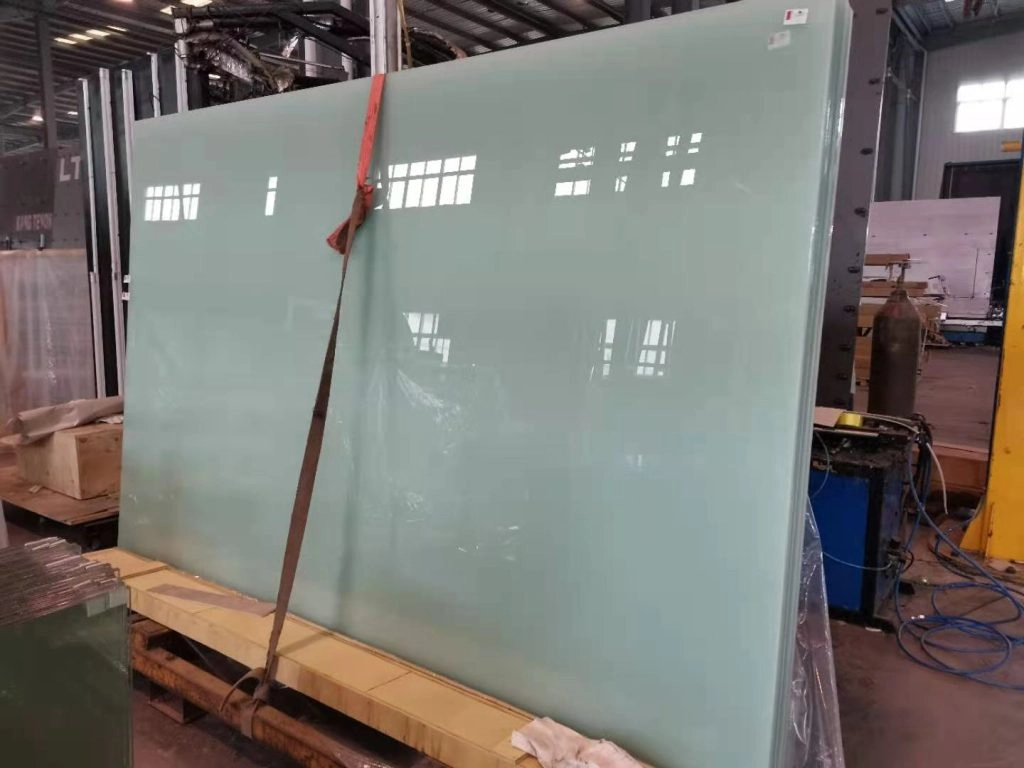
Spesso, quando si esamina una sezione trasversale di vetro di sicurezza, si pensa che ogni strato intermedio sia identico. Questo è semplicemente errato. Standard vetro laminato È caratterizzato da due pannelli di vetro separati. Un intercalare in polivinilbutirrale (PVB) li unisce saldamente. Questa configurazione affidabile rappresenta la scelta principale nel settore. Crea una connessione forte e trasparente. Questo legame mantiene l'intera unità intatta.
D'altra parte, le varianti acustiche utilizzano un PVB acustico unico e più morbido. Alcune utilizzano invece una resina multistrato. I produttori progettano questi materiali specificamente per bloccare le onde sonore. Il segreto non sta solo nello spessore maggiore. Le vere prestazioni derivano dalla composizione chimica sottostante. La composizione chimica dell'intercalare acustico assorbe le vibrazioni strutturali, impedendo loro di propagarsi attraverso il pannello. Si può immaginare come un robusto ammortizzatore per il rumore. Entrambe le opzioni offrono comunque un importante vantaggio in termini di sicurezza, nonostante queste differenze interne nascoste. Mantengono saldamente uniti i frammenti di vetro rotti dopo un forte impatto.
Come fa il vetro stratificato acustico a ottenere un isolamento acustico superiore?
Per capire perché un vetro offre prestazioni migliori di un altro, bisogna analizzare come gestisce l'energia. Il vetro standard è piuttosto rigido, e la rigidità è nemica dell'isolamento acustico.
La scienza della riduzione dei decibel e le valutazioni STC
Le valutazioni STC (Sound Transmission Class) offrono un metodo standard per misurare la riduzione del rumore nelle pareti divisorie. Un valore più alto indica una stanza più silenziosa. Il vetro standard spesso non riesce a isolare a causa del "calo di frequenza". Questo termine descrive una nota zona di frequenza in cui i pannelli normali perdono la loro capacità di bloccare il rumore. Il vetro vibra essenzialmente in perfetta sincronia con l'onda sonora in arrivo. Questa reazione permette al rumore di propagarsi quasi senza resistenza.
Gli strati intermedi acustici si concentrano direttamente sulla correzione di questo "calo di frequenza dovuto alla coincidenza". Riescono a livellare efficacemente questo difetto critico. L'aggiunta di uno strato intermedio acustico aumenta il valore STC da 3 a 5 punti. Questo incremento è paragonabile a quello del PVB standard di spessore identico. Un semplice guadagno di 3 punti crea una differenza molto chiara e percepibile per l'udito umano nel settore dell'acustica.
Interrompere il percorso di vibrazione
Il suono si propaga attraverso i materiali rigidi come energia meccanica; la resina speciale agisce come un agente di disaccoppiamento. Interrompe il "percorso" della vibrazione. Questo effetto di "smorzamento a taglio" converte l'energia sonora in un'energia termica trascurabile. Non sentirete il calore, ma certamente percepirete l'assenza di rumore. Questa efficace prestazione è particolarmente evidente in ambienti ad alta frequenza, come aree vicino ad aeroporti o incroci trafficati dove il "ronzio" dei motori o degli pneumatici può essere insopportabile. Per i responsabili di progetto alla ricerca di prestazioni affidabili, Landson Glass offre vetro stratificato acustico opzioni che affrontano specificamente questi disturbi ad alta frequenza.
Perché il vetro stratificato standard rimane un elemento fondamentale nell'edilizia
Il vetro acustico è ottimo, ma non sempre necessario. Per molte pareti divisorie interne e aree a basso traffico, il PVB standard offre sufficiente sicurezza e un'adeguata riduzione del rumore. Se state vetrando un ufficio in un tranquillo parco commerciale in periferia, il vetro stratificato standard è solitamente più che sufficiente.
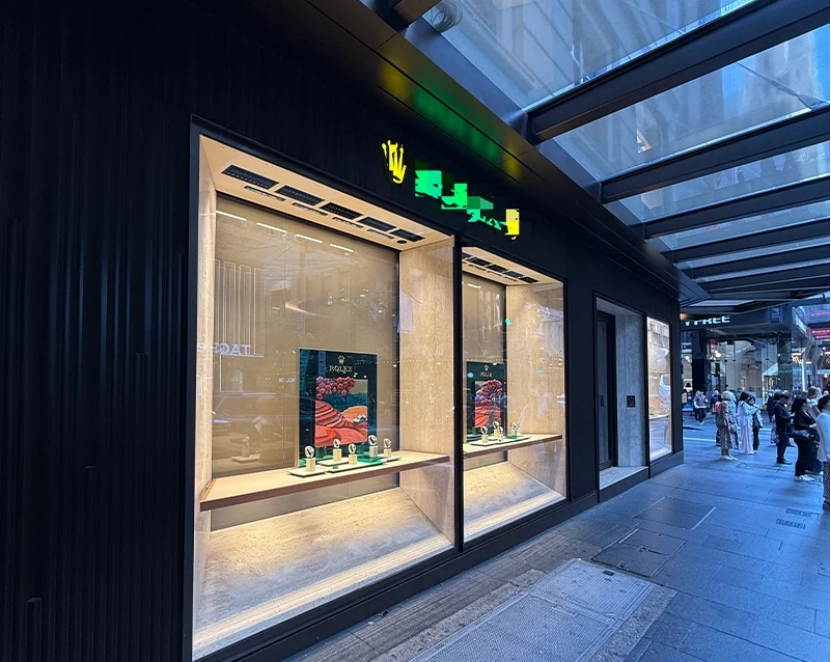
Offre un'elevata protezione dai raggi UV, bloccando fino al 99% dei raggi nocivi per prevenire lo sbiadimento degli arredi interni. Questo è un enorme vantaggio per vetrine di negozi o musei, dove la luce è necessaria ma non si desidera che si verifichino danni. Inoltre, il vetro stratificato standard è generalmente più conveniente per progetti su larga scala in cui l'acustica specializzata non è un requisito primario. Rimane la soluzione ideale per la resistenza agli urti e la sicurezza contro le effrazioni. È la scelta affidabile ed economica per la sicurezza.
Confronto critico: quando conviene investire in interventi di miglioramento acustico?
La decisione di effettuare un ammodernamento di solito dipende dall'ambiente. Se il sito è rumoroso, l'ammodernamento si ripaga da solo in termini di comfort per gli occupanti.
Infrastrutture urbane e ambienti ad alto traffico
I progetti situati in prossimità di ferrovie, autostrade o rotte aeree richiedono prestazioni acustiche superiori per gli strati intermedi. Un normale vetro vibrerebbe semplicemente al passaggio di un treno. Gli sviluppi a uso misto necessitano di un ambiente interno silenzioso per preservare il valore dell'immobile e il comfort degli inquilini. Nessuno vuole pagare un affitto elevato per un appartamento in cui si sente ogni clacson della strada.
Spazi interni professionali e privati
All'interno dell'edificio, le esigenze cambiano. Le sale riunioni e gli uffici direzionali utilizzano vetri acustici per garantire la privacy e la riservatezza delle conversazioni. Non si vuole che il corridoio senta la riunione del consiglio di amministrazione. Allo stesso modo, gli studi di registrazione e i progetti di ospitalità di lusso si affidano a questi materiali per creare ambienti acustici controllati. In questi casi, vetro stratificato per il controllo del suono è un requisito non negoziabile.
Considerazioni tecniche per acquirenti e responsabili di progetto
Acquistare del vetro non significa semplicemente scegliere un prodotto da un catalogo. Bisogna considerare la fisica dell'intero sistema finestra.
Il vetro più spesso è sempre migliore per l'isolamento acustico?
Non necessariamente. Aumentare lo spessore del vetro aggiunge massa, che contribuisce a bloccare i rumori a bassa frequenza come quelli dei macchinari pesanti. Ma la massa da sola non basta. Un semplice aumento dello spessore può talvolta peggiorare l'"effetto di coincidenza" a determinate frequenze perché il vetro diventa più rigido. Il "trucco" in questo caso è l'asimmetria. La combinazione di diversi spessori di vetro (laminazione asimmetrica) con un intercalare acustico offre le prestazioni migliori. Utilizzando due spessori diversi, ogni strato "compensa" i punti deboli dell'altro.
Compatibilità con unità di vetro isolante (IGU)
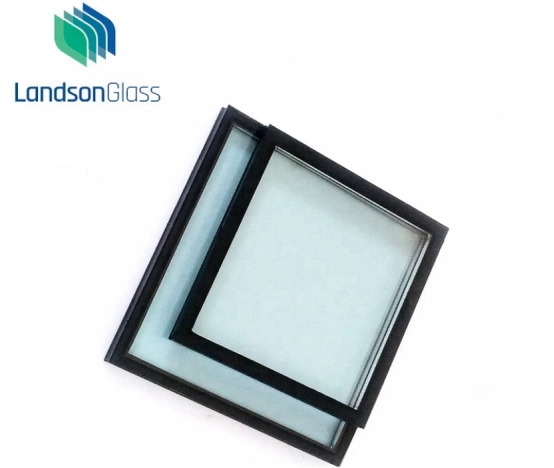
Il vetro stratificato acustico può essere integrato in unità a doppio o triplo vetro per il massimo isolamento termico e acustico. Questo è lo standard di riferimento. Lo spazio d'aria o di gas in un'unità a vetro isolante completa le proprietà di smorzamento del pannello stratificato. Quando si specificano queste unità, vetro Landson garantisce che i sigillanti e i distanziatori siano compatibili con le resine acustiche per prevenire la delaminazione nel tempo.
Valutazione del valore a lungo termine degli acquisti commerciali
Sebbene i costi iniziali dei materiali siano più elevati per le varianti acustiche, l'impatto sul benessere e sulla produttività degli occupanti è significativo. Un ambiente di lavoro rumoroso e fonte di distrazione compromette la produttività dei dipendenti. Scegliere la tipologia di vetro più adatta fin dalle prime fasi di progettazione consente di evitare notevoli problemi, prevenendo costosi interventi di ristrutturazione o l'aggiunta di finestre in un secondo momento. Installare i pannelli corretti fin da subito costa molto meno che risolvere i problemi legati al rumore dopo l'ingresso degli inquilini.
Domande frequenti
D: Posso distinguere a occhio nudo il vetro stratificato standard da quello acustico?
A: In generale, no. Entrambi sono otticamente trasparenti. La differenza sta nella struttura molecolare dello strato intermedio.
D: Il vetro acustico offre anche una maggiore sicurezza?
R: Offre lo stesso livello di sicurezza contro gli urti del vetro stratificato standard, ma il suo principale vantaggio "extra" è l'attenuazione del suono, non necessariamente una maggiore resistenza alla penetrazione.
D: Il vetro acustico è molto più pesante del vetro stratificato standard?
R: No, il peso complessivo rimane pressoché identico. La densità fisica della resina acustica è molto simile a quella del PVB standard. La maggior parte del peso è costituita dai pannelli di vetro.