


Il vetro a bassa emissività è solitamente la scelta migliore per gli edifici a basso consumo energetico. Non sempre. Non solo per i progetti di lusso.
Nella maggior parte dei lavori di vetratura esterna, dove calore, comfort e costi di gestione sono fattori importanti, il vetro a bassa emissività (Low-E) è più indicato rispetto al vetro trasparente. Il vetro trasparente conserva comunque la sua utilità: è semplice, luminoso, economico e facile da lavorare.
Che cosa significa l'energia?–Vetro per edifici efficienti: cosa fare?
Il vetro a risparmio energetico non serve solo a bloccare il calore.
Per ingegneri e appaltatori di facciate, la discussione si riduce solitamente a tre valori: valore U, SHGC e trasmittanza della luce visibile. Un valore U più basso significa un migliore isolamento. Un SHGC più basso significa che meno calore solare penetra nell'edificio. La trasmittanza della luce visibile indica quanta luce naturale filtra.
Il problema è che il valore "ottimale" non è lo stesso per ogni edificio. Una torre per uffici esposta a ovest a Dubai e un condominio nel nord Europa non dovrebbero essere valutati con la stessa logica.
Che cos'è il vetro a bassa emissività (Low-E)?
Il vetro a bassa emissività (Low-E) è un vetro dall'aspetto trasparente con un rivestimento molto sottile a bassa emissività. Il rivestimento non è visibile alla maggior parte degli utenti a prima vista, ma il suo valore si manifesta nelle prestazioni dell'edificio.
In molti progetti commerciali, il vetro basso emissivo (Low-E) viene utilizzato come parte di un'unità di vetro isolante, non come singolo pannello. È in questo contesto che si rivela particolarmente utile per finestre, porte, facciate continue, lucernari e sistemi di facciata.
Prima di esaminare le configurazioni, è utile capire cosa fa effettivamente il rivestimento.
Come funziona il rivestimento Low-E
Il rivestimento Low-E riflette il calore infrarosso consentendo al contempo il passaggio della luce visibile. Con il freddo, contribuisce a ridurre la dispersione di calore dall'interno dell'edificio. Con il caldo, può ridurre la quantità di calore solare che penetra nella stanza.
Sulla carta sembra un'ottima idea, ma l'esperienza sul campo è ancora più convincente. In una camera d'albergo con ampie finestre che danno sull'esterno, il vetro trasparente può offrire una vista luminosa, ma la zona vicino alla finestra spesso risulta più calda nel pomeriggio. Con il giusto vetro isolante a bassa emissività (Low-E), la stessa stanza può mantenere una temperatura più stabile. Non fredda. Non buia. Semplicemente meno esposta al sole.
Per i proprietari degli edifici, questo si traduce in un maggiore comfort e in una minore pressione sugli impianti di riscaldamento o raffreddamento.
Configurazioni comuni di vetri a bassa emissività
Il vetro a bassa emissività non è un prodotto unico. Può essere combinato con diversi metodi di lavorazione e strutture di vetratura:
- Vetro temperato a bassa emissivitàper sicurezza e forza
- Vetro isolante stratificato a bassa emissivitàper la sicurezza, la protezione e il controllo acustico
- ArgonUnità di vetro isolante a bassa emissività riempite per prestazioni termiche migliorate
La configurazione è importante quanto il rivestimento stesso. Un rivestimento a bassa emissività applicato con uno spessore errato, o scelto senza considerare il clima, può non raggiungere l'obiettivo.
Cos'è il vetro trasparente?
Il vetro trasparente è un vetro trasparente standard privo di rivestimento tecnico. È ampiamente utilizzato perché è di facile comprensione e conveniente.
I suoi vantaggi sono evidenti:
- Elevata trasparenza
- Aspetto neutro
- Costo iniziale inferiore
Il vetro trasparente è adatto per pareti divisorie, porte interne, aree espositive e alcuni progetti di finestre di base. Tuttavia, per le vetrate esterne, soprattutto negli edifici climatizzati, non offre lo stesso controllo sulla trasmissione del calore o sull'irraggiamento solare.
Ciò non significa che sia un prodotto scadente. Significa solo che è un prodotto limitato.
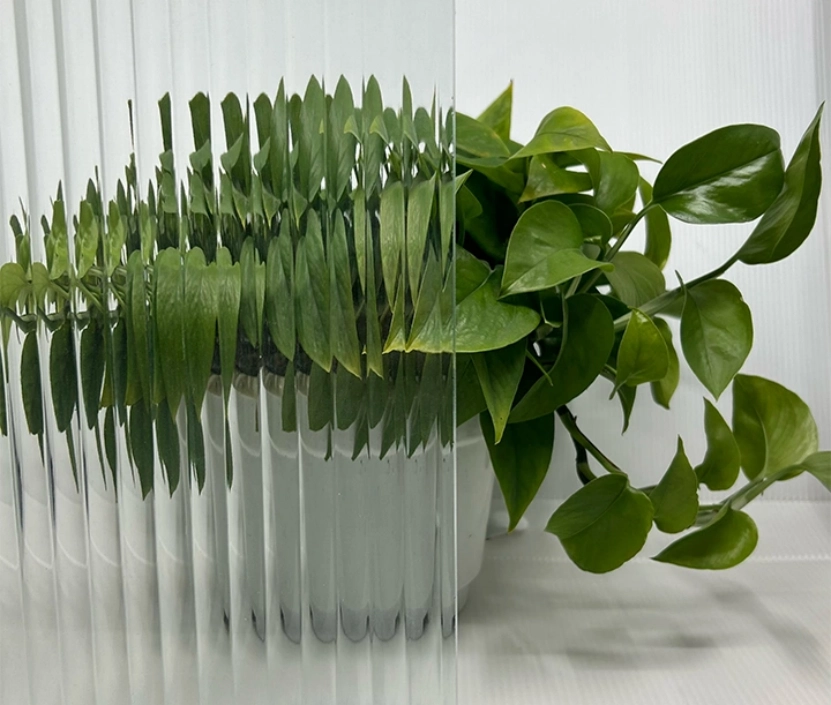
Vetro a bassa emissività vs vetro trasparente: differenze chiave per edifici a basso consumo energetico
La vera differenza si manifesta dopo che l'edificio entra in funzione. In fase di progettazione, il vetro trasparente può sembrare più economico. Durante l'utilizzo, il vetro a bassa emissività (Low-E) si rivela spesso un investimento migliore.
| Fattore di confronto | Vetro a bassa emissività | Vetro trasparente |
| Isolamento termico | Migliore controllo del calore | Prestazioni di base |
| Controllo del calore solare | Riduce l'eccessivo apporto di calore solare | Consente il passaggio di più calore solare |
| Luce diurna | Buona luce naturale con riscaldamento controllato | Luce diurna intensa ma maggiore accumulo di calore |
| impatto del sistema HVAC | Contribuisce a ridurre il carico termico o di riscaldamento. | Potrebbe aumentare la domanda di riscaldamento, ventilazione e condizionamento (HVAC). |
| Costo iniziale | Più alto | Più basso |
| valore a lungo termine | Ideale per edifici ad alte prestazioni | Ideale per chi ha un budget limitato. |
| Le migliori applicazioni | Facciate, finestre, facciate continue, vetrate isolanti | Vetro interno, vetratura semplice, aree a bassa specifica |
Un modo utile per confrontare i due tipi di vetro è il seguente: il vetro trasparente risolve il problema della visibilità. Il vetro a bassa emissività risolve il problema della visibilità e delle prestazioni.
In una piccola parete divisoria interna, questa differenza potrebbe non essere rilevante. In una facciata di un edificio per uffici di 20 piani, invece, è importante ogni giorno.
Quando è consigliabile scegliere il vetro a bassa emissività?
Il vetro a bassa emissività (Low-E) dovrebbe essere scelto quando il vetro fa parte dell'involucro edilizio e le prestazioni energetiche hanno un valore reale. Ciò include la maggior parte dei moderni progetti di vetrate esterne.
È particolarmente indicato per:
- Edifici commerciali con ampie vetrate.
- Facciate continue e facciate in vetro
- Edifici per uffici, hotel, scuole, ospedali e appartamenti
Il team acquisti non dovrebbe limitarsi a chiedere "vetro a bassa emissività". È una richiesta troppo vaga. Una richiesta adeguata dovrebbe includere il valore U, l'SHGC, le esigenze di luce visibile, lo spessore del vetro, la struttura dell'unità intercapedine d'aria, i requisiti di sicurezza e la posizione del rivestimento.
Un esempio comune potrebbe essere un'unità isolata da 6 mm + 12A + 6 mm Low-E, ma questo è solo un punto di partenza. La configurazione finale dipende dal carico del vento, dal sistema di intelaiatura, dal clima e dagli standard di progetto.
Quando il vetro trasparente è ancora una buona scelta?
Vetro trasparente rimane comunque utile quando le prestazioni energetiche non sono la preoccupazione principale.
Ad esempio, una parete di vetro tra due zone ufficio interne non necessita di un rivestimento a bassa emissività (Low-E). La temperatura su entrambi i lati è pressoché identica. Pagare un supplemento per un rivestimento in quel punto di solito non ha molto senso.
Ma per le finestre esterne esposte a un sole intenso, il vetro trasparente rappresenta un compromesso. A volte accettabile, ma spesso non la soluzione migliore.
Quale tipo di vetro è più adatto a diverse condizioni climatiche?
Il clima influenza la scelta del vetro. Una specifica adatta a una regione può creare problemi in un'altra. Per questo motivo, chi acquista con cognizione di causa dovrebbe evitare di scegliere il vetro basandosi unicamente sullo spessore o sul prezzo.
Lo stesso vetro a bassa emissività può avere prestazioni diverse a seconda del tipo di rivestimento, del design dell'unità di vetro isolante e dell'orientamento.
Climi caldi
Nei climi caldi, il controllo solare è solitamente la priorità. Un valore SHGC inferiore contribuisce a ridurre il calore che penetra nell'edificio, soprattutto sulle facciate esposte al forte sole pomeridiano.
In genere, il vetro a bassa emissività (Low-E) è preferibile in questi casi perché riduce il carico termico per il raffreddamento, mantenendo al contempo una buona illuminazione naturale. Per hotel, aeroporti, centri commerciali e grattacieli adibiti a uffici, questo può fare una notevole differenza.
Climi freddi
Nei climi freddi, l'isolamento diventa più importante. Un valore U più basso contribuisce a ridurre la dispersione di calore all'interno dell'abitazione.
Spesso si preferisce il vetro isolante a bassa emissività (Low-E) doppio o triplo. Contribuisce a mantenere più calde le superfici interne, migliorando il comfort anche in prossimità delle finestre. Gli occupanti potrebbero non conoscere il valore U, ma si accorgono quando un sedile accanto al vetro risulta freddo.
Climi misti
Nei climi misti è necessario un equilibrio. Un'eccessiva schermatura solare potrebbe non essere l'ideale in inverno, mentre un eccessivo accumulo di calore potrebbe diventare un problema in estate.
Per questi progetti, la scelta del vetro deve essere effettuata tenendo conto del valore U, del coefficiente di scambio termico verticale (SHGC), della luce visibile e dell'orientamento della facciata. Una singola risposta "standard a bassa emissività" non è sufficiente.
Come dovrebbero gli acquirenti specificare il vetro a bassa emissività per un progetto?
Un buon preventivo inizia con specifiche chiare. Per gli acquirenti esteri, questo è particolarmente importante perché il vetro è pesante, personalizzato e costoso da correggere dopo la produzione.
Prima di inviare una richiesta, preparate:
- Ubicazione del progetto e condizioni climatiche
- Tipologia di edificio e area di applicazione
- Dimensioni e spessore del vetro richiesti
- Struttura IGU
- Requisiti per il rivestimento a bassa emissività
- Requisiti di tempra, laminazione o rinforzo termico
- Valore U, SHGC e bersaglio di luce visibile
- Quantità e tempi di consegna
- Bordatura, fori, forme o lavorazioni speciali
- Requisiti di imballaggio per l'esportazione
vetro Landson Lavora nel settore della lavorazione del vetro architettonico, quindi questo tipo di dettaglio aiuta il fornitore a raccomandare una soluzione realistica. Non solo una voce di spesa economica, ma una composizione di vetro che possa effettivamente essere prodotta, imballata, spedita e installata.
Verdetto finale: vetro a bassa emissività o vetro trasparente?
Per gli edifici a basso consumo energetico, il vetro a bassa emissività (Low-E) è la scelta migliore. Gestisce il trasferimento di calore e il controllo solare in un modo che il vetro trasparente non può.
Il vetro trasparente rimane una scelta valida per interni, aree decorative e applicazioni economiche. È semplice e discreto. Tuttavia, per finestre esterne, facciate, facciate continue e moderni sistemi di vetro isolante, il vetro a bassa emissività (Low-E) offre generalmente risultati migliori.
La decisione non dovrebbe basarsi solo sul prezzo unitario. Nei progetti reali, il vetro influisce sul comfort, sul consumo energetico, sulle prestazioni della facciata e sulla qualità dell'edificio a lungo termine. È qui che il vetro a bassa emissività (Low-E) si rivela fondamentale.
Domande frequenti
D1: Il vetro a bassa emissività (Low-E) è più costoso del vetro trasparente?
Sì, di solito comporta un costo iniziale più elevato, ma garantisce prestazioni energetiche migliori a lungo termine.
D2: Il vetro a bassa emissività può essere utilizzato nelle unità di vetro isolante?
Sì, viene comunemente utilizzato nei sistemi di doppi o tripli vetri.
D3: Il vetro trasparente è adatto per le facciate degli edifici commerciali?
Può essere utilizzato, ma il vetro a bassa emissività (Low-E) è generalmente più indicato per facciate ad alta efficienza energetica.
D4: Il vetro a bassa emissività riduce la luce naturale?
A seconda del tipo e delle specifiche del rivestimento, può mantenere una buona illuminazione naturale riducendo al contempo il calore indesiderato.