

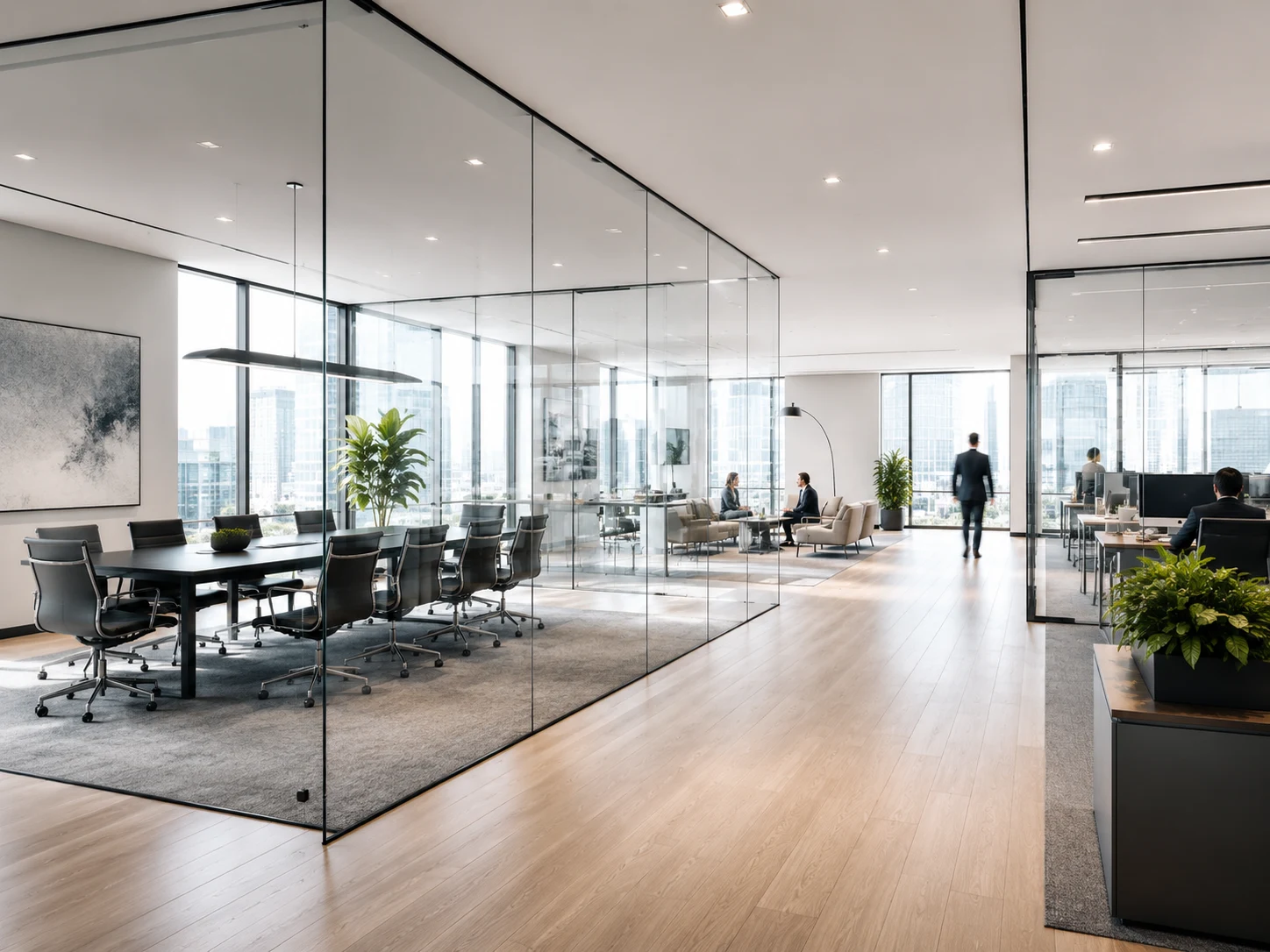
Moderne kantoorruimtes geven tegenwoordig de voorkeur aan open uitzichten boven gesloten wanden. Ontwerpers beschouwen natuurlijk licht als een essentieel element in plaats van slechts een middel om te zien. Frameloze glazen scheidingswanden maken dit mogelijk door een helder uitzicht te behouden. Tegelijkertijd creëren ze afgebakende plekken voor vergaderingen, geconcentreerd werken of pauzes. Doordat er geen omvangrijke frames zijn, zien de ruimtes er strakker uit. Dit draagt bij aan een gevoel van ruimtelijkheid en samenhang binnen het hele kantoor.
Hoe frameloos glas de ruimtelijke efficiëntie verbetert
Frameloze systemen elimineren dikke aluminium of stalen frames. Deze glazen wanden zorgen er bovendien voor dat de ruimte open blijft zonder dat de geluidsisolatie verloren gaat. Door gebruik te maken van gelaagd of behandeld glas kan worden voorkomen dat geluid zich tussen verschillende werkzones verspreidt.
In moderne kantoren waar teams vaak groeien of krimpen, werken frameloze scheidingswanden goed in combinatie met verplaatsbare bureaus en flexibele indelingen. Ontwerpers waarderen de mogelijkheid om deze glazen panelen aan te passen aan nieuwe plattegronden. Dit kan zonder ingrijpende structurele veranderingen aan het gebouw.
Soorten glas die worden gebruikt in frameloze scheidingswandsystemen
Verschillende soorten glas hebben verschillende functies.
Gehaard glas voor sterkte en veiligheid
gehard glas Het wordt vervaardigd met behulp van een proces van hoge hitte en snelle afkoeling. Hierdoor is het vele malen sterker dan standaard floatglas. Als het breekt, verkruimelt het in kleine, stompe stukjes in plaats van scherpe, gevaarlijke scherven. Dit verlaagt het risico op letsel. Het is een essentieel kenmerk voor drukke plekken zoals showrooms, luchthavens of overvolle kantoren.
Gelaagd glas voor akoestische en veiligheidsprestaties
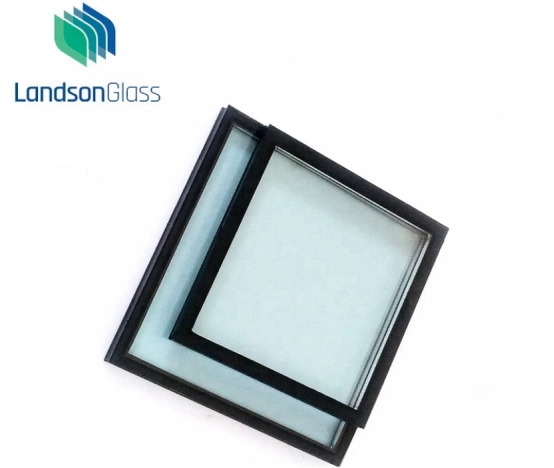
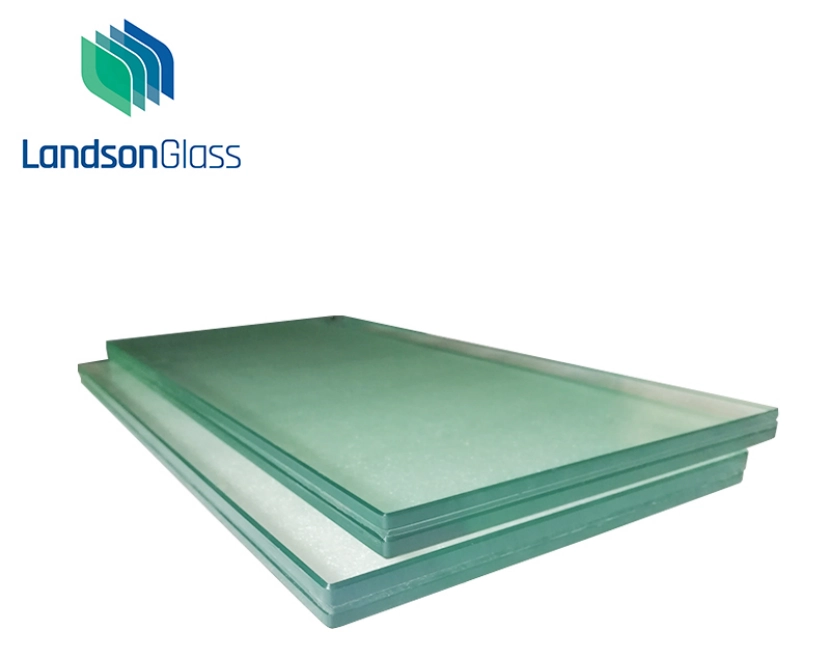
Gelamineerd glas Het is opgebouwd uit twee of meer glasplaten. Deze platen worden aan elkaar gelijmd met behulp van sterke tussenlagen. Veelgebruikte materialen voor dit proces zijn PVB (polyvinylbutyral) of EVA (ethyleenvinylacetaat). Deze binnenlagen blokkeren geluid uitstekend. Ze absorberen geluidsgolven gemakkelijk. Daarom is glas een populaire keuze voor vergaderruimtes.
Glas met een laag ijzergehalte voor helderheid en esthetische puurheid.
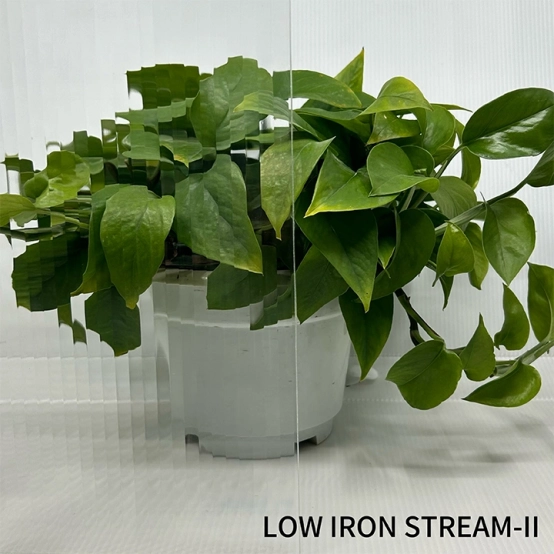
Standaard floatglas heeft vaak een lichte groene tint. Laagijzerglas verwijdert deze tint doordat er minder ijzer wordt gebruikt tijdens het productieproces. Het resultaat is een kristalheldere uitstraling die de ware kleuren laat zien. Het biedt een zeer hoge visuele kwaliteit. Ontwerpers kiezen het voor topruimtes zoals lobby's of luxe winkels waar elk detail telt.
Mat en geëtst glas voor privacyregulering
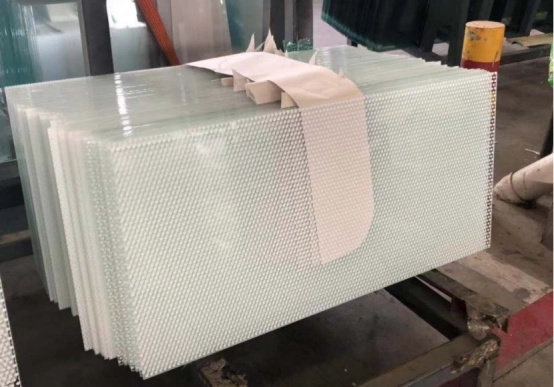
Niet elk deel van een kantoor hoeft volledig transparant te zijn. Mat of geëtst glas verspreidt het licht en blokkeert tegelijkertijd direct zicht. Dit is ideaal voor individuele werkplekken of vergaderruimtes. Deze stijlen kunnen ook worden voorzien van logo's of patronen door middel van zandstralen. Zo wordt een eenvoudige muur omgetoverd tot een kunstwerk dat het merk vertegenwoordigt.
Technische overwegingen bij het ontwerp van frameloze glazen scheidingswanden
De effectiviteit van een frameloos systeem hangt af van een goede constructie. Dit omvat onder andere de keuze van de juiste dikte en de beste afwerking van de randen.
Diktekeuze en structurele stabiliteit
De glasdikte ligt doorgaans tussen de 8 en 12 mm. De exacte dikte is afhankelijk van de paneelhoogte en de specifieke belasting. Hogere constructies vereisen dikker glas. Dit extra materiaal helpt doorbuiging te voorkomen wanneer het glas aan zware spanning of constante trillingen wordt blootgesteld. Ingenieurs controleren elk ontwerp zorgvuldig. Ze vergelijken deze ontwerpen met de lokale bouwvoorschriften. Dit proces zorgt ervoor dat het project aan alle noodzakelijke veiligheidsnormen voldoet.
Randafwerking en voegbehandelingen
De randen van het glas worden niet alleen voor een mooie uitstraling gepolijst. Door het polijsten worden kleine scheurtjes verwijderd die later tot glasbreuk zouden kunnen leiden. Doorzichtige siliconenkit of kleine pakkingen worden gebruikt om de kieren tussen de panelen op te vullen. Dit zorgt voor de uitstraling van één lange, doorlopende glazen wand. Dankzij de precieze snijtechniek past elk glasstuk perfect, zelfs in zeer lange gangen.
Functionele voordelen van frameloze glazen scheidingswanden in commerciële interieurs
Naast hun fraaie uiterlijk bieden frameloze scheidingswanden ook concrete voordelen voor het dagelijkse werk.
Optimalisatie van natuurlijk licht en energie-efficiëntie
Deze systemen laten zonlicht tot diep in het midden van een gebouw doordringen. Hierdoor hoeven kantoren overdag minder elektrische verlichting te gebruiken. Dit helpt om energiekosten te besparen en voldoet aan de eisen van duurzaam bouwen, zoals LEED. Medewerkers voelen zich bovendien beter wanneer ze in natuurlijk licht werken. Het is een kleine verandering die een positief effect heeft op hun humeur en gezondheid.
Akoestisch comfort in open kantooromgevingen
Open kantoorruimtes kunnen erg lawaaierig zijn omdat stemmen zich ver verspreiden. Gelaagd glas met geluidsdempende lagen helpt dit probleem op te lossen. Het vermindert de geluidsoverdracht tussen ruimtes, terwijl het kantoor licht blijft. Hierdoor kunnen teams met elkaar praten en samenwerken, terwijl er toch rustige plekken zijn voor geconcentreerde taken.
Flexibiliteit voor toekomstige herinrichting van de ruimte
Bedrijven veranderen voortdurend. Ze groeien, fuseren of stappen over op een hybride vorm van werken. De mogelijkheid om de kantoorindeling snel aan te passen is een enorm voordeel. Modulaire, frameloze systemen zijn gemakkelijk te verplaatsen of te vergroten of verkleinen. Je hoeft geen zware muren af te breken. Dit maakt kantoorrenovaties veel goedkoper dan het gebruik van gipsplaten, wat een rommelig schilder- en stucwerk met zich meebrengt.
Ontwerptrends die het gebruik van frameloze glazen scheidingswanden wereldwijd vormgeven
Nieuwe technologie verandert de mogelijkheden van glas in moderne gebouwen:
- Met een schakelbare slimme bril kunt u met één druk op de knop schakelen van transparant naar privacygevoelig.
- Automatische privacycontrole maakt gebruik van sensoren om het zicht te blokkeren wanneer mensen een ruimte binnenkomen.
- Minimalistische esthetiek legt de nadruk op verborgen verbindingen en eenvoudige kleuren die passen bij moderne stijlen.
- Naadloze overgangen tussen de verschillende zones creëren een luxe uitstraling voor merken die een klassieke stijl nastreven.
Deze trends laten zien dat frameloos glas niet langer alleen een muur is. Het is nu een slim onderdeel van het gebouw dat reageert op de behoeften van de gebruikers.
Architectonische glasoplossingen bij Landson Glass
Landson Glas We gebruiken onze eigen hardings-, lamineer- en coatingtechnologie om een hoge kwaliteit te garanderen. We bieden een ruime keuze aan afmetingen, diktes en kleuren. U kunt ook mat of decoratief glas op maat laten maken voor uw specifieke project. Onze producten voldoen aan wereldwijde normen zoals CE, SGCC en IGCC. Dit betekent dat ze betrouwbaar zijn voor elke markt.
Wij bieden technische ondersteuning vanaf het begin van het ontwerp tot aan de installatie van het glas. Dit doen we voor klanten over de hele wereld die werken aan gevels, deuren en ramen. Deze expertise stelt architecten in staat om complexe ontwerpen snel te realiseren. We zorgen ervoor dat alles voldoet aan de hoogste prestatie- en veiligheidsnormen, ongeacht de locatie of lokale wetgeving.
Veelgestelde vragen
Vraag 1: Wat is het belangrijkste voordeel van het gebruik van frameloze glazen scheidingswanden in kantoren?
Ze zorgen ervoor dat het kantoor open en licht aanvoelt, terwijl de verschillende werkruimtes toch van elkaar gescheiden blijven.
Vraag 2: Zijn frameloze glazen wanden veilig?
Ja. Wanneer ze gemaakt zijn van gehard of gelaagd veiligheidsglas, zijn ze erg sterk en breken ze veilig bij een ongeluk.
Vraag 3: Kunnen frameloze scheidingswanden akoestische privacy bieden?
Ja. Gelaagd glas met speciale geluidsisolerende lagen kan geluid goed blokkeren en tegelijkertijd de ruimte helder houden.
Vraag 4: Hoe dik moeten commerciële frameloze scheidingswanden zijn?
De meeste zijn tussen de 8 mm en 12 mm dik. De juiste maat hangt af van de hoogte van de glazen wand.
Vraag 5: Welke aanpassingsmogelijkheden zijn er?
Je kunt kiezen uit verschillende kleuren, matte patronen, speciale coatings of zelfs slim glas dat van transparant naar ondoorzichtig verandert.