

Insulated Glass Units: A Buyer’s Guide for Architects

Insulated Glass Units: A Buyer’s Guide for Architects

目录

隔热玻璃单元

Building designs these days call for window solutions that mix style, function, and green practices. Insulated glass units (IGUs) shine as a top choice for better energy use, quieter spaces, and adaptable looks. In a skyscraper office or a house front, the best IGU selection can really shape how eco-friendly the place is and how comfortable people feel inside.

What Are Insulated Glass Units

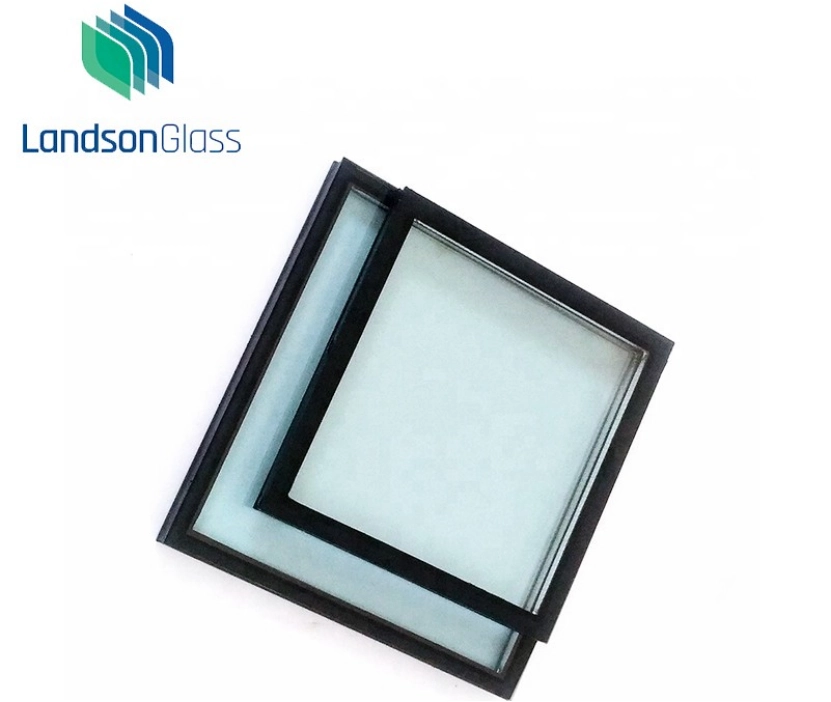
隔热玻璃单元 (IGUs), sometimes called double-glazed or triple-glazed units, use two or three panes of glass. An air or argon gap keeps them apart. This lowers heat flow across the window setup.

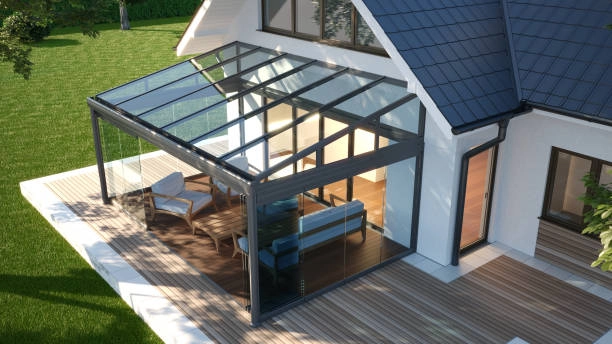
The design builds a heat shield. It cuts down on temp changes from inside to outside. IGUs offer better warmth blocking and save more power. Today’s builders turn to them often for wall systems, roof lights, outer walls, and top-notch windows.

Key Components of an Insulated Glass Unit

Most IGUs include key parts like two or more glass sheets, bars to space them out, edge sealants, and gases such as argon or krypton in the space between. Every piece helps the whole unit work well.

  • Glass panesform solid walls against the elements.
  • Spacer barskeep steady gaps between the sheets.
  • Sealantslock in air tightness and fend off dampness.
  • Gas fillscut air currents to aid heat blocking.

The Functional Benefits of Insulated Glass Units

Thermal Efficiency and Energy Savings

IGUs sharply limit heat shift from rooms to the outdoors. The gas trapped in the middle serves as a buffer. It holds steady temps indoors. Structures run smoother on power this way. They need less for heat or cool air. Add low-emissivity coatings, and gains grow bigger. Take our COMF-E® Optimum series. It uses a tailored Low E layer to curb heat flow through the glass. In warm seasons, it sends heat back out. Cold times see it trap warmth in. All this happens without cutting back on daylight. Many architects find this combo perfect for everyday energy wins, like keeping a conference room cool on a hot day.

Product Type U-Value (Winter) 太阳得热系数 Visible Light Transmission
24mm Clear DGU (6C/12/6C) 2.54 0.74 80.2%
COMF-E Ultra (6/12/6)#2 1.65 0.61 74%
COMF-E Solar Grey (6/12/6)#2 1.65 0.25 21.6%

Smaller U-values show stronger heat blocking. This proves vital for hitting tough energy standards.

Sound Insulation and Comfort Enhancement

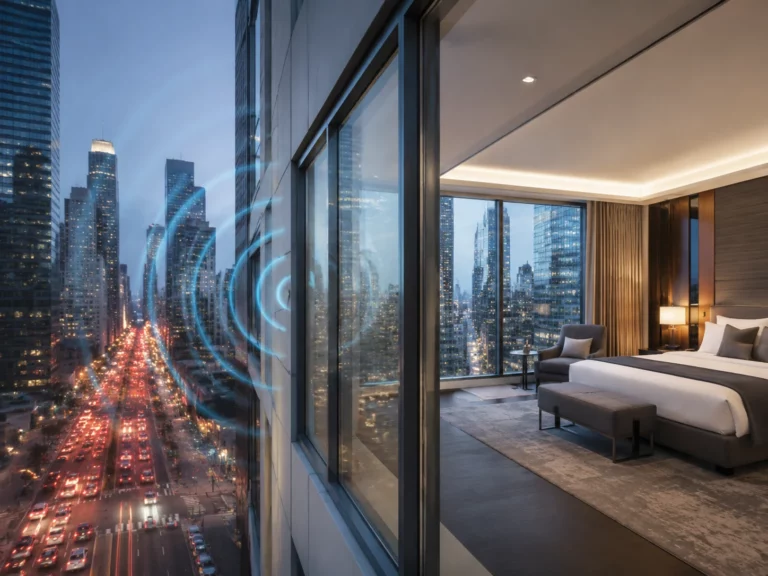
IGUs do more than handle heat. They cut noise in ways you can hear. Multiple layers stop sound from traveling. Sheet thickness variations and gap sizes set the quiet level. Go for thicker panes or larger spaces, and blocking improves. City projects by roads or flights benefit most. Offices and schools get calmer rooms as a result. Folks inside concentrate easier and relax more.

COMF-E Insulated glass units

Condensation Control and Durability

Warm room air on a cool surface causes moisture buildup. IGUs avoid that by warming the inside face. Strong edge seals matter for ongoing dry protection. Weak spots lead to mist or dim views later. Check seals routinely. Clean softly with methods from the manufacturer. These steps stretch the unit’s life a lot.

Design Considerations for Architects

Fitting IGUs into plans means weighing looks against specs. Architects often juggle these to get both right.

Choosing the Right Glass Type for Project Needs

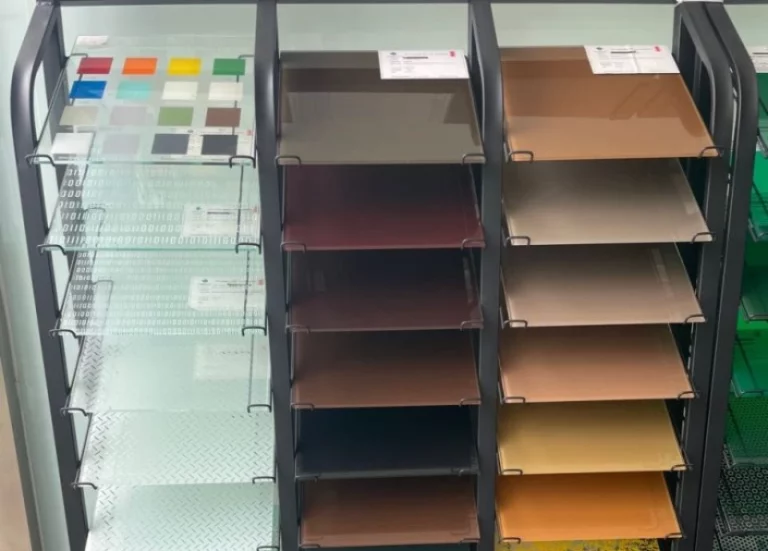
Pick from clear, colored, shiny, or treated glass. Base it on weather and style wishes. Hot spots use shiny or sun-block layers to ease bright light. Cooler areas keep low-E types to hold body heat. Face direction counts. A north side might gain from more light let-through to pull in sun fully.

Spacer Technology and Edge Seal Design

Warm-edge spacers do better than old aluminum kinds. They trim heat leaks at borders, a usual soft spot in windows. Good seal plans boost blocking and hold up through weather shifts.

Integration with Framing Systems and Facades

Match with wall setups, frames, or doors early on. This heads off setup snags down the line. Big IGUs need support plans for their bulk and gusts. Seal fits tightly to block air slips that eat into power savings.

Performance Standards and Certification Requirements

Industry Standards for Quality Assurance

World rules such as EN 1279 for Europe, ASTM E2190 for the US, or IGCC checks oversee IGU build quality. They cover damp resistance, gas hold, and even sight clarity. Following them assures solid work in builds everywhere.

Testing Procedures for Insulated Glass Units

Strength checks see how units take ongoing strains like sun rays and wet cycles. This locks in steady work over full use. Architects, grab cert papers from suppliers before signing off.

Customization Options from Landson Glass

兰森玻璃 gains respect for bendable designs that suit exact build wants.

Tailored Solutions for Architectural Projects

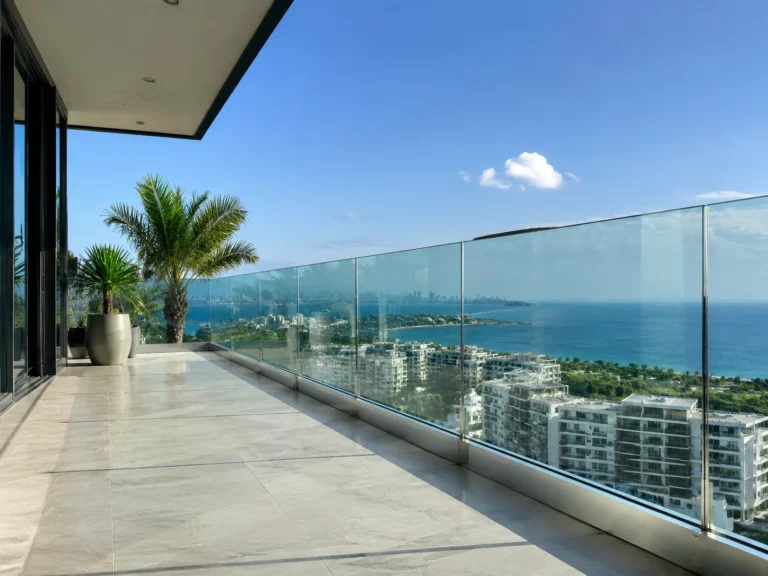
Our wide product set shows up in homes and business spots across Australia, New Zealand, and Europe. It spans lone houses to big-name commercial works. We provide made-to-order sizes to 3210mm × 5100mm. Spacer setups vary to fit what the job needs.

Advanced Features Available from Landson Glass

Low-E Coatings and Solar Control Options

Low-emissivity layers, as in COMF-E® Optimum, sharpen sun handling. They keep light flowing, a must for green outer shells.

Decorative Finishes and Aesthetic Enhancements

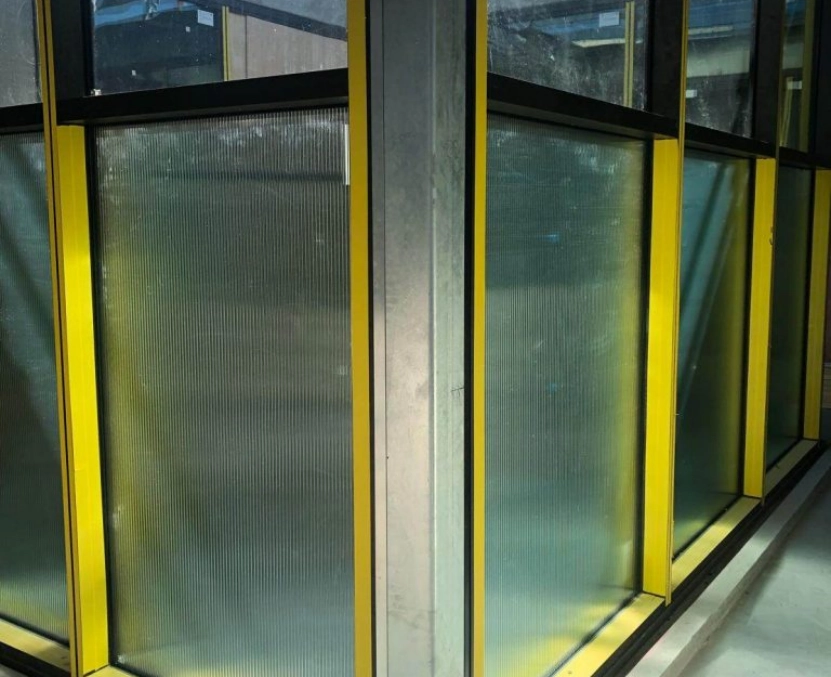
Mix in designs or matte effects for hidden views in IGUs. They hold light spread. Atriums or wall splits suit them well, blending shape and purpose.

Practical Tips for Procurement and Specification

Working with Reliable Suppliers

Picking a solid supplier means looking at certs, make volume, wait times, post-buy help, and clear chats among architects, makers, and builders. This flows the job smoothly from plan to place.

Cost Considerations in Project Planning

Choices in materials drive prices straight. Still, putting money into strong IGUs brings back savings long-term. They ease air system loads and fix costs over many years.

Future Trends in Insulated Glass Technology

Innovations in Smart Glazing Systems

Fresh smart glass, like self-shade electrochromic IGUs, gives on-the-fly light tweaks from outside factors. Architects find new paths for flex walls that shift with sun on their own.

Sustainability and Environmental Impact

Manufacturers lean into green ways with reuse materials. They shrink scrap in build runs. This pushes toward zero-waste builds around the world.

Energy saving stands as a given now. Insulated glass units sit central in that building shift today.

常见问题

Q1: What is the difference between double-glazed and triple-glazed insulated glass units?

Triple-glazed units add one more pane. It gives stronger blocking but raises the price a touch over double-glazed types.

Q2: How long do insulated glass units typically last?

Good IGUs with right seals and upkeep hold up 20–30 years.

Q3: Can insulated glass units be repaired if condensation appears inside?

Most times, no. Inside damp points to a seal break. You need a full swap, not a fix.

Q4: Are low-E coatings visible on insulated glass?

No—they’re tiny metal films on inner sheets. They leave sight clear in usual looks.

Q5: How do I choose between argon-filled or air-filled IGUs?

Argon ones block heat better, yet cost extra. Air types work well and save money in even weather.


分享这篇文章:

搜索

热门帖子

隔热玻璃单元
Insulated Glass Units: A Buyer’s Guide for Architects
结构钢化夹层玻璃
Commercial Glass Soundproofing: Complete Guide
Key Questions Before Buying Glass for Facades and Windows
How Quality Control Impacts Architectural Glass Performance
联系 我们