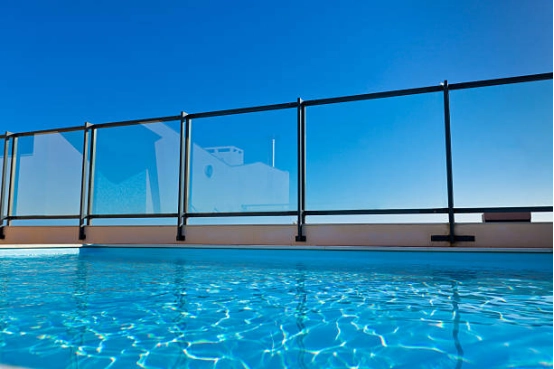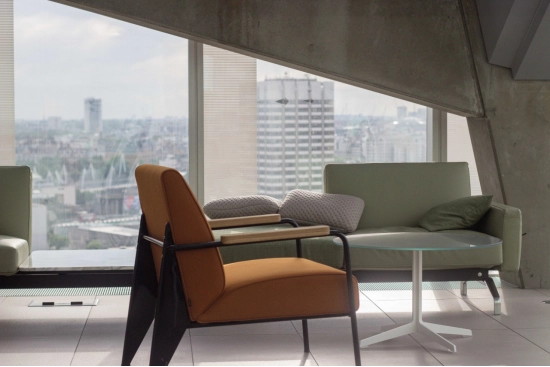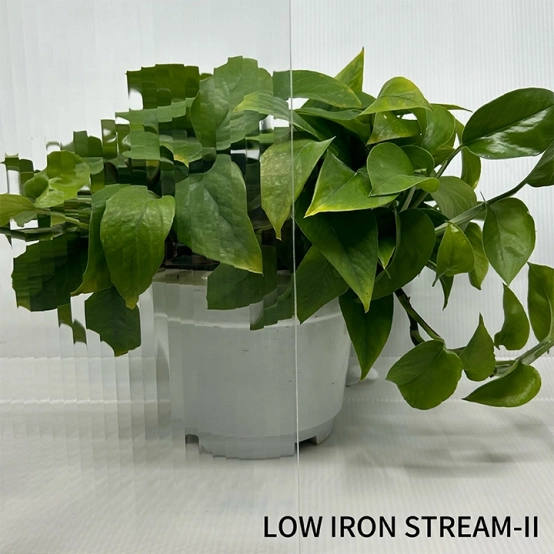


Glass flooring slip resistance depends on the actual walking surface. The panels and their supports must also carry the specified loads.
What Makes Glass Flooring Different from Conventional Flooring?
The Advantages of Glass Floors in Commercial Architecture
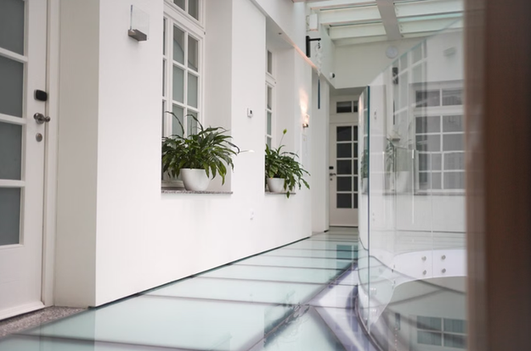
Open up lower levels of your building by providing natural light through a glass floor. Give visitors a glimpse into the exhibits below a glass floor in a museum. Look down from the balcony above a glass floor in a hotel, shopping center, office or even an observation deck.
Common Slip Risks on Glass Flooring
All surfaces will have a tendency to get dirty with water, oil, dust and cleaning residue. Many of these can cause poor slip resistance. Periodic inspections of high usage areas (especially those with a wet floor risk) will be necessary. Drainage, easy cleaning of the surface and slip resistance are all important for outside glass walkways.
Choosing the Right Glass Structure for Safe Glass Flooring
Why Tempered Glass Is Important for Glass Floor Panels
Tempering improves resistance to mechanical and thermal stress compared with annealed glass. Single tempered glass is not automatically suitable for pedestrian floors; its behavior after breakage must also be considered.
The Advantages of Tempered Laminated Glass
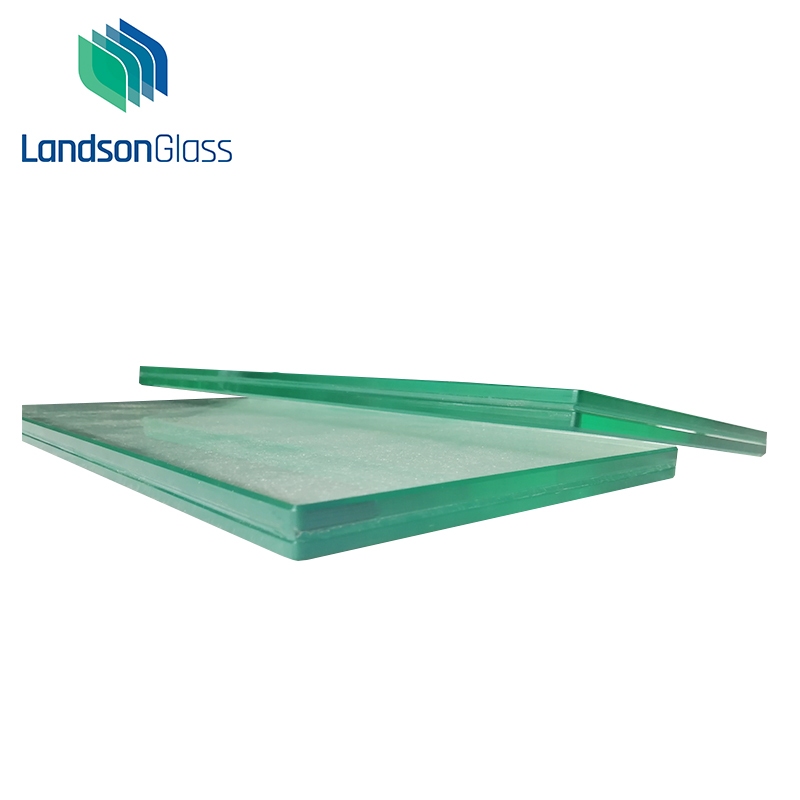
钢化夹层玻璃 consists of multiple panes of glass that are held together with interlayers, such as PVB (Polyvinylbutyral) or structural ionoplast layers, such as SGP. These interlayers are crucial to retain glass fragments in the event of breakage. The critical factor is to verify the load-carrying capacity of the laminated glass after breakage.
When Is Multi-Layer Laminated Glass Needed?
The choice of layers for a multi-layer laminated glass panel is based upon the engineer’s calculations for span, loads, supports, interlayer properties and post-breakage requirements and the design temperature.
Effective Surface Treatments for Slip-Resistant Glass Flooring
Acid-Etched Glass for Improved Surface Texture
The matte finish produced by acid etching provides the surface with a texture and reduces glare. Test the slip resistance of the surface when wet as well as dry. The surface finish may affect the glass strength as well.
Ceramic Frit and Silk Screen Printed Glass
A wide range of designs are possible with screen-printed glass using dots, lines and even geometric shapes. However, for anti-slip glass flooring it is crucial that the ceramic frit that is used on the walking surface is suitable and has the required texture and that it has been correctly applied. Printing beneath the top pane adds no grip. Decorative printing alone does not establish slip resistance.
Sandblasted and Textured Glass Surfaces
The strength reduction from sandblasting needs to be considered in structural calculations and the finish considered in terms of transparency, ease of cleaning and wear. Finished samples should be reviewed to establish the most suitable finish for your requirements and to ensure that the surface finish will work within your proposed maintenance regime.
Balancing Slip Resistance and Architectural Appearance
Evaluate the finish in relation to how it will look in the specific lighting and compare its grip, visibility and cleanability to establish how it will perform in relation to the buildings’ maintenance regime.
How to Evaluate Slip Resistance in Commercial Glass Flooring
Understanding Static and Dynamic Coefficients of Friction
Static friction resists the start of sliding; dynamic friction resists continued sliding. Their coefficients express the ratio of frictional force to normal force. Importantly the value can vary for wet and dry surfaces and therefore cannot provide a single figure guarantee of safety.
Testing Methods and Project Requirements
The supported laminated glass walkway design is covered by ASTM E2751/E2751M but this is not a test for slip resistance. A locally relevant test such as pendulum testing, surface conditions and acceptance criteria should be specified and conducted on finished samples that have been contaminated to represent expected use conditions and that can be cleaned in line with the proposed maintenance strategy.
Key Glass Processing Factors That Affect Flooring Safety and Performance
Precision Cutting, Edgework and CNC Processing
Care must be taken when cutting, grinding, polishing, drilling and CNC cutouts to ensure that all glass is processed before tempering. The finished glass dimensions must also be checked against the original drawings. Edge damage and holes drilled in the wrong place can concentrate stress in the glass and have serious consequences for safety.
Tempering and Heat Soak Processing
Tempering the glass increases its strength. Heat soaking encourages susceptible panes with nickel sulfide inclusions to fail during processing, reducing the risk of later breakage, but does not eliminate all possibility of spontaneous failure.
Lamination Quality and Interlayer Selection
The adhesion of the interlayer to the glass must be checked, as well as the quality of the interlayer used itself (PVB or SGP) and the compatibility between both layers. PVB and SGP require separate assessment. Exterior laminates also have to offer sufficient protection against moisture and the correct detailing of the edges.
Can Insulated Glass Units Be Used in Commercial Glass Flooring Projects?
Understanding the Role of Insulated Glass Units
Double- or triple-glazed 中空玻璃组件 add thermal insulation to buildings, with suitable glass or coatings providing solar control. They can incorporate tempered or laminated panes for curtain walls, skylights and surrounding glazing.
Why Laminated Glass Is the Primary Choice for Walkable Glass Floors
Conventional IGUs cannot replace engineered laminated floor panels. Specialist systems combining insulation and pedestrian loads require assessment of the complete assembly, including supports and behavior after breakage.
Customized Glass Flooring Solutions from Landson Glass
We will work from your drawings for your floor panels, floor supports, glass configuration and test requirements. Discuss tempering, multi-layer lamination, silk screen and digital printing, cutting, edgework, drilling and CNC processing. Confirm acid-etched finishes and interlayer options against your specification. Glaston IGU production can serve adjacent glazing. Processing capabilities alone do not certify a complete slip-resistant floor system.
Conclusion: Choosing the Right Glass for Safe Commercial Flooring
Specify tested traction, an engineered laminate and careful fabrication, with a plan for cleaning. For customized tempered and laminated glass, 联系兰德森·格拉斯 with panel drawings, support details and test requirements.
Frequently Asked Questions About Glass Flooring Slip Resistance
Is Tempered Glass Alone Suitable for Commercial Glass Flooring?
Generally, pedestrian floors use engineered laminated assemblies. Check the proposed construction for load capacity and post-breakage performance before accepting it.
Does Acid-Etched Glass Provide Better Slip Resistance?
The matte texture is not proof of traction. Test the finished surface in its intended conditions, including water where foreseeable.
Is Laminated Glass Safer for Glass Flooring Than Single-Pane Tempered Glass?
Interlayers help retain broken fragments. The floor’s load capacity depends on its laminate and supports; slip resistance needs separate testing.