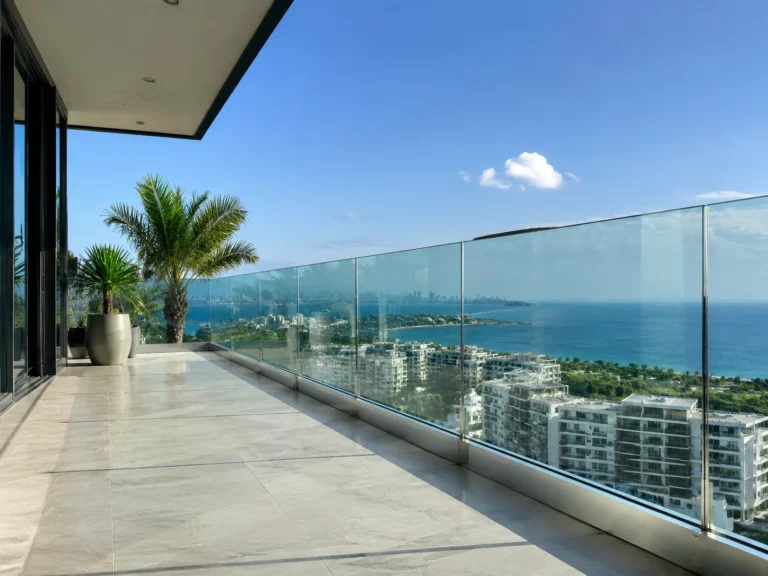



High rise apartments often come with stunning views, but those expansive glass facades can turn into energy hogs.
Large glass areas mean more exposure to the elements. In winter, cold seeps in, forcing heaters to work overtime. Summers bring relentless sun, spiking air conditioning use. Energy bills climb fast.
Studies show that windows account for about 25-30% of residential heating and cooling energy loss. In high rise buildings with high window-to-wall ratios, this figure can jump even higher.
What Exactly Are Insulated Glass Units (IGUs)?
More Than Just “Double Glazed Glass”
Insulated glass units consist of two or more panes of glass separated by a sealed space filled with gas. This design traps air or inert gases to slow down heat transfer.
The Parts of an IGU That Affect Energy Bills
Several components in an IGU influence those monthly bills. Glass thickness and type matter a lot—clear, tinted, or Low-E coatings each handle heat differently.
Wider cavities can enhance insulation, but it’s a balance. Filling gases like air, argon, or krypton reduce conductivity. Edge seals keep everything airtight.
Double glazed glass for apartments often uses these elements in IGU glass panels construction to optimize efficiency.
So, How Much Can IGUs Really Save on Energy Bills?
From Heat Loss to Energy Bills: The Basic Math
Windows make up 25-30% of the energy folks use for heating and cooling in houses. And in big apartment buildings with lots of units, changing out regular double glazing for better ones can cut the whole HVAC energy by 5-15%.
These are basic guesses, you know. Stuff like weather, power costs, glass details, and daily routines all affect it. How much do insulated glass units save on energy bills? Well, it changes a bunch, but the numbers show actual cuts.
Example Payback for a Typical High Rise Apartment
Think about swapping out 6-8 big windows that face west or south. With yearly energy savings of $80-150, you get your money back in about 7-12 years.
That’s not all. Comfort improves—no more drafts. Less condensation and noise too. Insulated glass units ROI in apartments makes sense for long-term residents.
Why High-Rise Apartments Often See Higher Savings Than Low-Rise Homes
Tall buildings face more wind and sun exposure. Glass facades amplify thermal effects. Energy savings double glazed glass high rise scenarios outpace lower structures because every degree counts more up high.
In recent retrofit projects, Landson Glass supplied IGUs for high-rise apartments where residents reported visibly lower summer cooling bills and less radiant cold near the glass in winter.

Glass Choices That Make the Biggest Difference in IGU Energy Savings
Low-E Coatings: The Thin Layer That Cuts Heat, Not Light
Low-E, or low-emissivity, coatings reflect infrared rays without blocking much visible light. They curb radiant heat transfer and solar gain.
In cold areas, passive Low-E lets winter sun warmth in while holding indoor heat. Hot climates favor solar-control Low-E to block excess heat. Low E insulated glass for apartments tweaks this balance for better bills.
Gas Fill: Air vs Argon vs Krypton
Inert gases outperform air. Their density slows conduction, lowering U-value.
For most high-rise residential projects, argon filled insulated glass units strike the best performance-cost ratio. Krypton costs more, suiting compact cavities or frigid spots. Argon filled IGU glass performance shines in everyday use.
Thickness, Spacers and Edge Design
Thicker glass and optimal cavity widths boost insulation and soundproofing. Warm-edge spacers cut edge heat bridges, reducing condensation.
It’s a detail that pays off. Better spacers mean fewer cold spots.
Matching SHGC and U-Value to Your Climate and Orientation
Solar Heat Gain Coefficient (SHGC) and U-value guide choices. West-facing or top-floor units need low SHGC with strong solar control glass. North sides can handle higher SHGC for winter gains.
High performance glass for high rise buildings demands this match. U value and SHGC for apartment windows dictate savings potential.
Real-World High-Rise Scenarios: Where IGUs Save the Most
South- and West-Facing Living Rooms with Full-Height Glass
Floor-to-ceiling glass in sunny spots? Summers turn brutal with glare and heat. Solar control Low-E insulated glass eases AC load, dims glare.
Energy spikes drop noticeably.
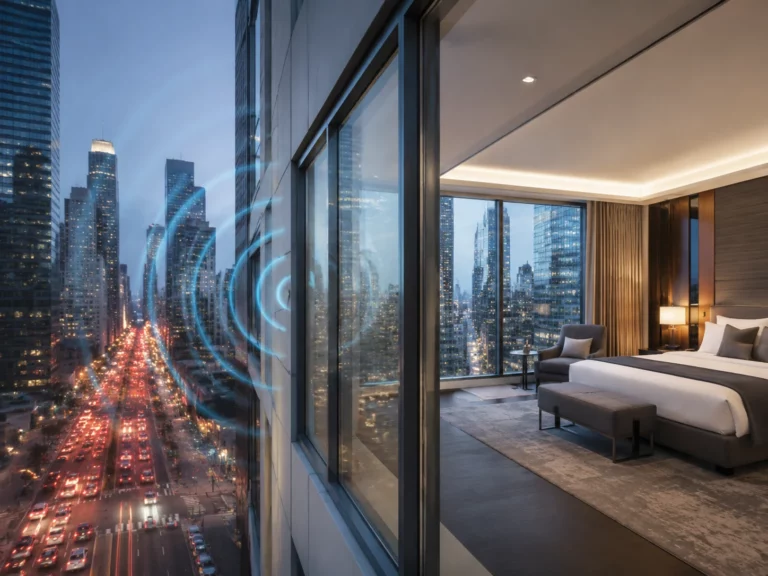
Corner Bedrooms Next to Busy Roads
High-up corners near traffic get noisy and drafty. Noise reducing double glazed glass uses varied pane thicknesses and cavities to block sound and heat.
Sleep improves, bills shrink.
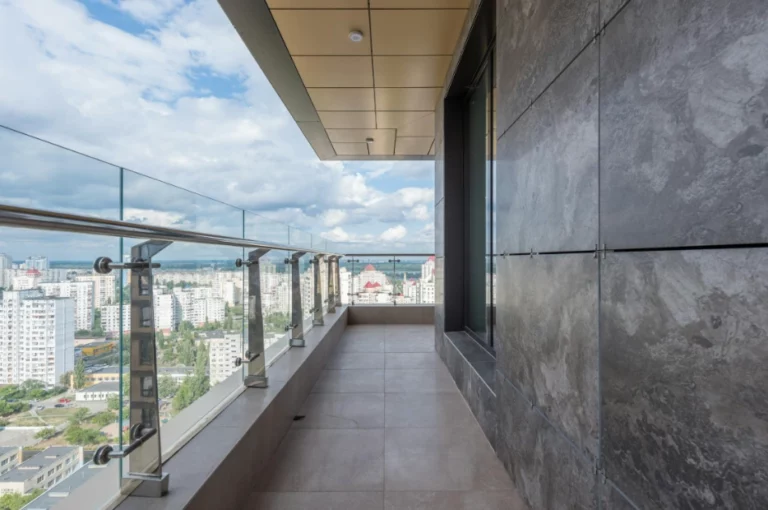
Enclosed Balconies and Curtain Walls
Sealed balconies or full curtain walls leak energy if outdated. Upgrading IGUs tightens the envelope.
Insulated glass for balcony enclosures and energy efficient curtain wall glass transform these spaces. For projects like enclosed balconies or full glass façades, working with a glass specialist such as Landson Glass helps ensure the IGU specification balances energy savings, comfort and safety.
How to Estimate Your Own Savings and Payback
Step-by-Step: From Utility Bill to Rough Savings
Grab your last 12 months’ utility bills. Average monthly HVAC costs—roughly half the total bill.
Multiply by 25-30% for window share. Apply 20-40% reduction from IGUs for estimated savings.
Divide upgrade costs by annual savings for payback years. Calculate IGU payback for apartments this way; it’s a starting point.
Other “Hidden” Savings
Smaller HVAC units possible. Less mold from condensation. Furniture fades slower.
Insulated glass ROI calculator vibes, even without a tool.
Checklist for Choosing Insulated Glass for High-Rise Apartments
- Check certified U-value and SHGC for your climate zone.
- Confirm Low-E type and glass coating position.
- Decide on gas fill (air vs argon).
- Safety and code compliance: tempered or laminated glass in high-rise settings.
- Acoustic performance if you’re near traffic or transit corridors.
- Warranty on seals and fogging.
How to choose insulated glass units for apartments? This covers the basics. Best insulated glass for high rise residential prioritizes these.
When Glass Choice Turns into Real Savings
High-rise energy use hinges on glass performance. IGUs can slash window-related losses, opening 5-15% total HVAC savings, project depending.
Picking the right config beats generic swaps. If you’re planning a façade upgrade or window replacement in a high-rise, talking to a glass manufacturer like Landson Glass early in the design process can help you turn performance targets into the right insulated glass specification.
FAQ
Q:How much can insulated glass units save on energy bills in high-rise apartments?
Most high-rise apartments can expect 5–15% HVAC energy savings after upgrading to insulated glass units (IGUs), depending on climate, window orientation, and IGU specifications such as Low-E coatings and argon-filled cavities.
Q:Do double-glazed insulated glass units reduce both heating and cooling costs?
Yes. Double-glazed IGUs reduce winter heat loss and summer heat gain, lowering heating and cooling usage year-round. Low-E glass and proper gas fill greatly improve performance.
Q:Which type of insulated glass offers the best energy efficiency for high-rise apartments?
For most climates, Low-E double-glazed IGUs with argon gas fill offer the best balance of cost and energy efficiency. Solar-control Low-E glass is recommended for hot, sun-exposed façades.
Q:Is upgrading to insulated glass units worth it for older high-rise buildings?
Yes. Older high-rise buildings with large glass areas often see faster payback because IGUs significantly reduce heat transfer, minimize drafts, and cut cooling loads in west- or south-facing units.
Q:How long do insulated glass units last before losing energy performance?
Most IGUs last 15–25 years with stable thermal performance. Choosing quality seals, proper edge spacers, and a reliable glass manufacturer helps prevent early fogging or gas leakage.