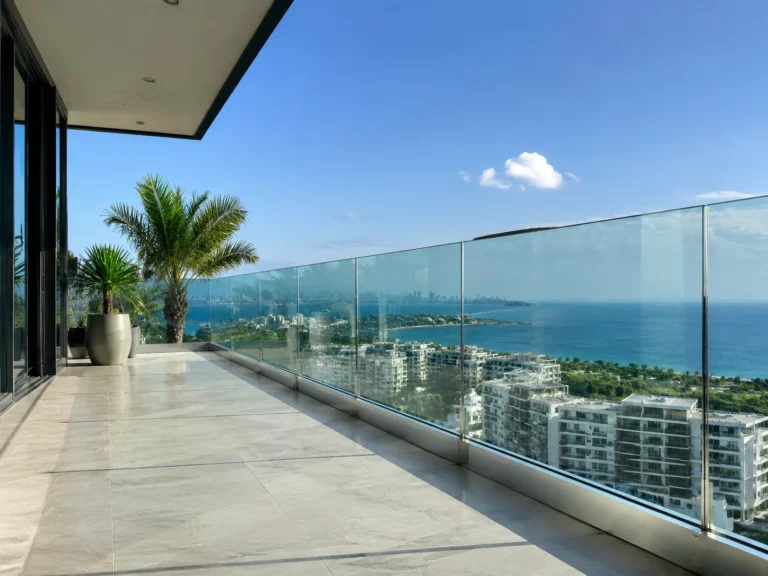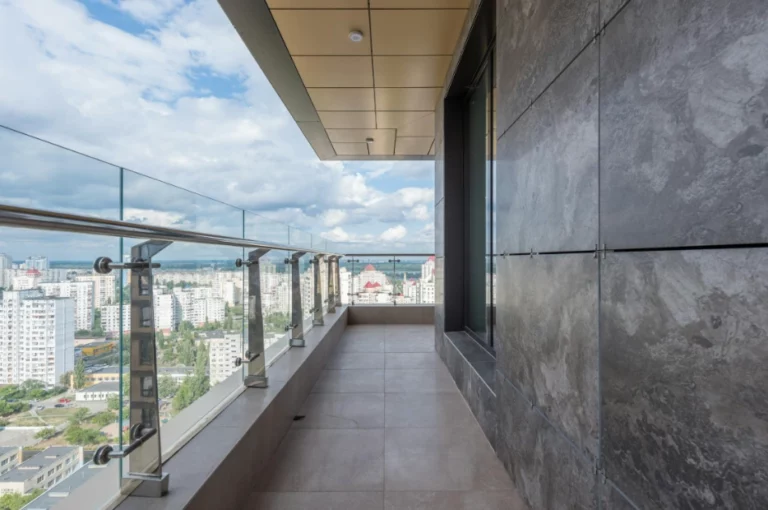



Commercial buildings often feature glass that takes up most of the facade. Low-E IGUs play a key role in energy use, comfort levels, and daylighting. Datasheets throw around numbers like U-Factor SHGC VLT, and more.
Why These Ratings Matter for Low-E Insulated Glass Units
U-Factor handles heat transfer without solar input. SHGC covers solar heat gain. VLT deals with visible light passing through.
In energy efficient commercial windows and curtain wall performance, these ratings shape a lot. They cut down on heating and cooling costs year-round. Near-window spots stay comfy, avoiding cold drafts in winter or overheating in summer. Glare gets managed too. Plus, good natural light boosts tenant happiness and cuts artificial lighting needs.
On many façade projects Landson Glass supports, architects start with target U-Factor, SHGC and VLT values before selecting a specific Low-E IGU build-up.
What Is U-Factor in the Context of Low-E IGUs?
U-Factor measures the rate of non-solar heat flow through the unit. Lower numbers mean better insulation. Typical ranges sit between 0.20 and 1.20 for insulated glass units.
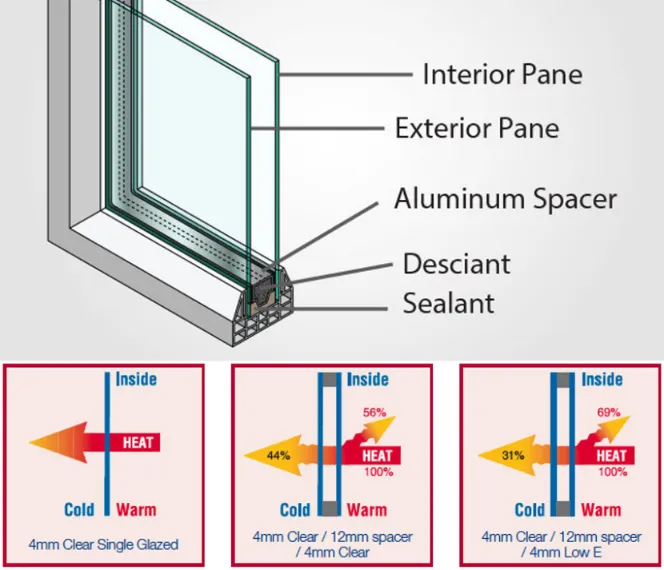
Remember, NFRC standards give the whole-unit U-Factor. That’s not just the glass. Frames and spacers count too. Low-E coatings help block heat. Thicker cavities, argon or krypton gas fills, and triple glazing push U-Factor down further.
In cold spots, folks aim for low U-Factor glass to trap warmth. Warmer areas might not stress it as much, but it still matters for overall efficiency.
What Is SHGC (Solar Heat Gain Coefficient)?
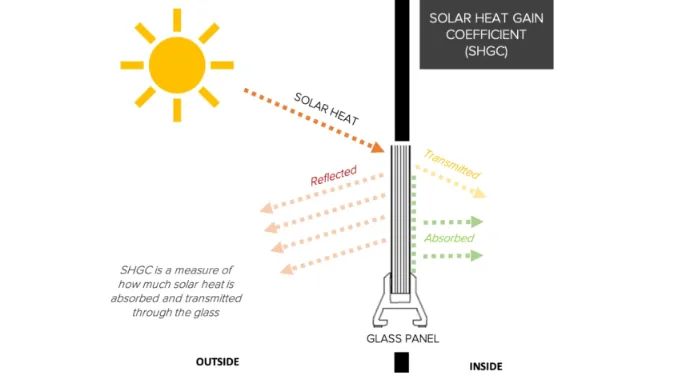
SHGC is a ratio from 0 to 1. It shows how much solar radiation turns into indoor heat.
Low SHGC means strong shading. Perfect for hot zones or west-facing glass that bakes in afternoon sun. Higher SHGC lets in passive heat, handy in cooler spots.
Lower SHGC = less unwanted solar gain → smaller cooling loads. Simple as that.
Sometimes projects overlook this, and air conditioners run overtime. But getting it right saves big on bills.
What Is VLT (Visible Light Transmittance)?
VLT, or VT, is another 0-to-1 value. It tracks how much visible light gets through windows.
High VLT floods rooms with natural light. But watch for glare spiking up. Low VLT dims things, forcing more lamps on.
In VLT Low-E glass, coatings can keep SHGC low while holding VLT high. That’s spectrally selective stuff at work.
How Low-E IGU Design Influences U-Factor, SHGC and VLT
Low-E IGU design tweaks these metrics in clever ways. Choices in layers and materials make all the difference for insulated glass unit performance.
Low-E Coating Type and Position
Single-silver Low-E cuts basic heat loss. Double or triple-silver versions amp up performance. Placing the coating on surface 2 or 3 changes solar control.
Number of Panes and Gas Fill
Double glazing is standard. Triple steps up insulation. Argon gas fills cavities cheap and effective for U-Factor drops. Krypton goes further but costs more.
Spacer and Edge Details
Aluminum spacers conduct heat, raising edge temps and risking condensation. Warm-edge spacers keep things tighter, improving whole-unit scores.
Tint and VLT Trade-Off
Tinted glass drops SHGC and VLT together. Not ideal if light is key. Spectrally selective Low-E nails low SHGC without gutting VLT.
When engineering a glass make-up, Landson Glass typically models several Low-E IGU options to see how each configuration shifts U-Factor, SHGC and VLT before a final specification is chosen.
Balancing U-Factor, SHGC and VLT for Different Climates and Facade Orientations
Selecting Low-E glass by climate keeps buildings humming. U-Factor and SHGC by climate zone guide the picks. VLT and glare control tie in too.
Cold Climates (heating-dominated)
Low U-Factor locks in heat. Moderate to high SHGC on south sides grabs winter sun. VLT balances light without blinding snow glare.
Hot Climates (cooling-dominated)
U-Factor can be mid-range. Low SHGC blocks heat waves. High-selectivity Low-E holds decent VLT for views.
Mixed Climates & Seasonal Strategies
Aim for middle-ground numbers. Add shades or blinds in cavities for flexibility.
Ever notice how mixed zones flip needs seasonally? It’s tricky, but tunable glass helps.
Orientation-Based Tuning for Curtain Walls
South facades might take higher SHGC for warmth. East and west need low SHGC against harsh angles. North? Focus on VLT for steady light. Mix glass types per side, ditch the one size fits all approach.
How to Read Performance Data on NFRC Labels and Glass Datasheets
NFRC labels list U-Factor, SHGC, and VT plainly. U-Factor in BTU/hr·ft²·°F or W/m²·K. SHGC and VT as decimals.
Typical ranges: U-Factor 0.25-0.50 for good units. SHGC 0.20-0.40. VT 0.40-0.70.
Split center-of-glass from whole-unit values. The full assembly matters more. Test conditions like temp diffs and wind speed affect reads. Low-E IGU datasheet might show variants.
Units can trip you up if switching systems. Double-check.
Common Mistakes When Using U-Factor, SHGC and VLT in Specifications
Window performance pitfalls sneak in easy. U-Factor SHGC specification mistakes cost later.
- Chasing just low U-Factor ignores SHGC, leading to summer swelter.
- Pushing ultra-low SHGC tanks VLT, leaving interiors cave-like and lit by bulbs.
- Slapping residential zone recs on big curtain walls misses scale differences.
- Forgetting frames and seals, assuming fancy glass alone nails efficiency.
- Overlooking glare from high VLT in sunny spots, sparking complaints.
In project reviews, Landson Glass often finds that simply adjusting SHGC and VLT by orientation solves comfort complaints without changing the entire curtain wall system.
Quick Checklist for Specifying Low-E IGUs
Low-E IGU specification checklist keeps things on track when selecting insulated glass units.
- Pin down climate zone and code caps for U-Factor/SHGC.
- Set target ranges for U-Factor, SHGC, VLT per facade.
- Pick Low-E type and glass combo that fits.
- Verify numbers as whole-unit, meshing with the curtain wall.
- Loop in HVAC pros to dodge over-reliance on cooling.
- Check for glare risks with VLT picks.
- Model a few options before locking in.
Turning Performance Numbers into Real-World Comfort
U-Factor handles insulation. SHGC manages solar heat. VLT controls light and glare.
Grasping how they link up turns Low-E IGUs performance data into actionable wins. Energy efficient commercial windows shine when these metrics align for comfort, savings, and design. U-Factor SHGC VLT become more than stats—they drive real results.
FAQ
Q: What is U-Factor in Low-E IGUs?
U-Factor measures heat transfer. Lower values mean better insulation and less heat loss.
Q: What does SHGC mean for window glass?
SHGC shows how much solar heat passes through glass. Lower SHGC reduces overheating.
Q: What is VLT in window performance?
VLT (visible light transmittance) measures how much natural light enters through the IGU.
Q: How do U-Factor, SHGC and VLT work together?
They balance insulation, solar control and natural light to determine Low-E IGU performance.
Q: Do different climates need different SHGC or U-Factor values?
Yes. Cold climates benefit from low U-Factor and moderate SHGC; hot climates need low SHGC.