

When it comes to building with structural glass—whether it’s for a roof, wall, or veranda—the looks can change, but the technical needs stay mostly the same. That’s due to strength, safety, toughness, and handling skills. These come from glass as a material and what today’s buildings ask for. No matter the shape, these setups share a basic engineering base. And that base helps them work steady in daily life.
Why Structural Glass Systems Share the Same Technical Core
A glass canopy sits high over a doorway. A full curtain wall covers a tall building’s face. A smooth veranda wraps a backyard area. They all look unlike at first. Still, they count as structural glass systems. And they build on the same core ideas.
The glass needs to do certain things in each of these. It must:
- Hold up against steady and moving forces (like wind or hits)
- Stop breaking or keep sharp bits from flying
- Follow firm building rules for people’s safety and weather contact
- Get shaped just right to match planned support setups
So, manufacturers and teams usually use one main technical plan for these. They set the design first. Then the glass runs through close matching steps. These include heat treatment, lamination, edge work, and more. All to hit solid performance marks.
Application Overview: Roofs, Walls, and Verandas
2.1 Glass Roof Systems
Glass roofs do several jobs past simple cover. They pull in sunlight far inside. And they keep weather out. Usual types are:
- Skylights: Built into sloped or flat roofs. They often use laminated glass. This helps with heat and fall safety.
- Canopies: Free-standing or fixed overhead builds at doors or paths.
- Atriums: Big glazed roof parts over inside yards or waiting spots.
These spots call for laminated safety glass. It often has SGP interlayers. And that gives protection from above.
2.2 Glass Wall Systems
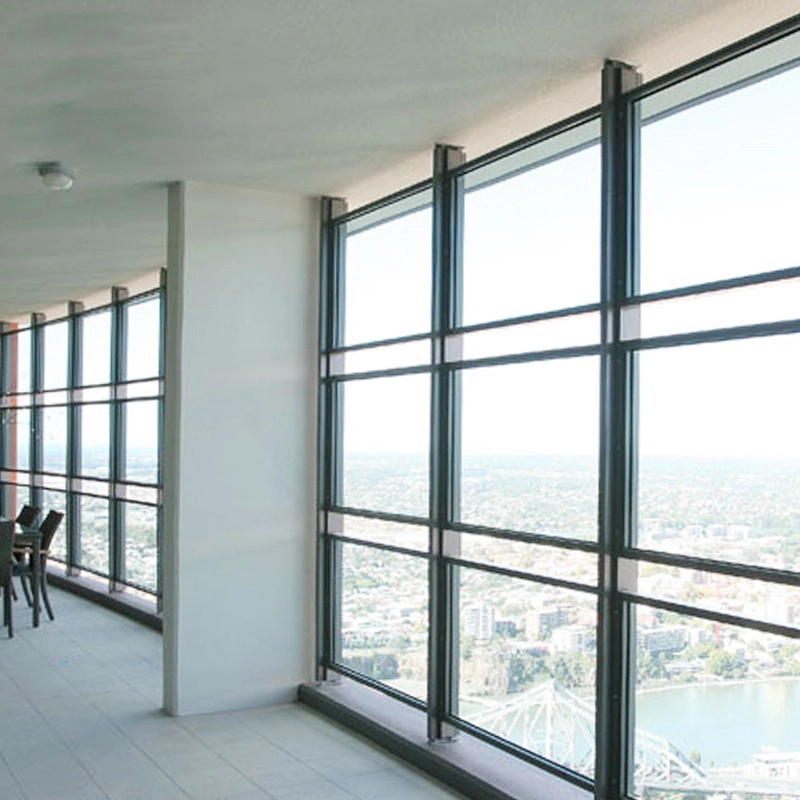
Up-right glazing shows in a few styles. It hinges on looks and build wants:
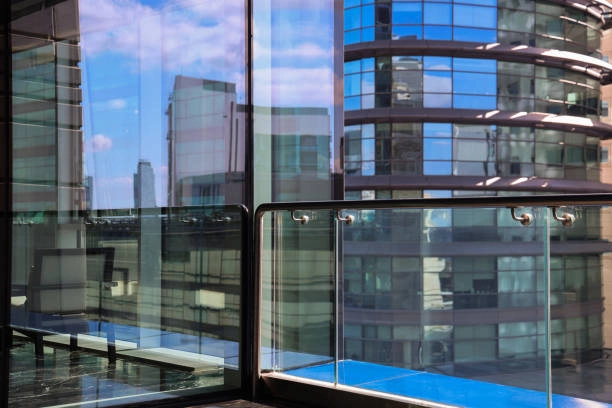
- Curtain walls: Framed setups that hide building outsides. They often pick insulated glass units(IGUs). These come with tempered or heat-strengthened panes.
- Frameless façades: Structural glazing stuck straight to support setups. It uses silicone or point fittings.
- Structural glazing: Here the glass helps carry weight. It does more than just skin the surface.
These setups focus on energy saving (via IGUs). They also stress hit resistance. And they meet wind-load rules.
2.3 Veranda & Outdoor Glass Enclosures
More folks push their home or work spots outside. Glass enclosures let that go on all year:
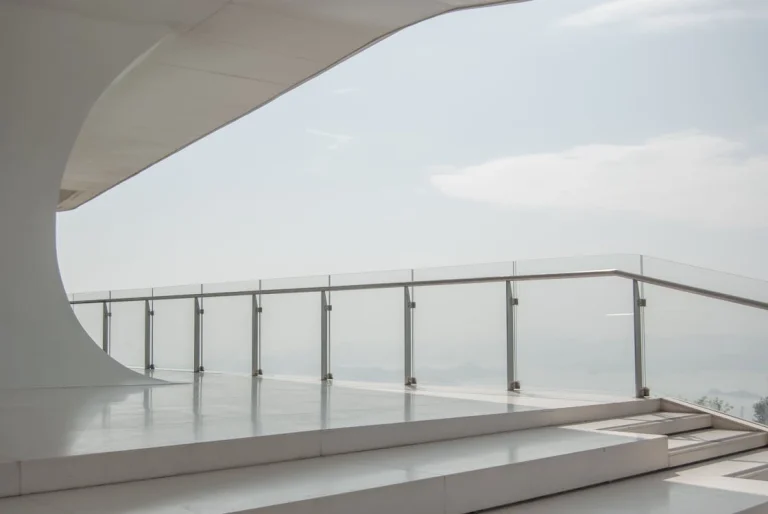
- Residential verandas: Full or half glazed add-ons. They give weather cover and sights.
- Commercial sunrooms: Used in cafes, lounges, hotel lobbies.
- Semi-outdoor structures: Think transit shelters or retail kiosks. There the cover is only part.
Laminated or tempered glass makes safety sure. It doesn’t cut the clear view.
Glass Selection for Structural Applications
Picking the proper kind of architectural glass ties to its role and safety rule needs:
- Tempered vs Heat Strengthened: Tempered glass holds more power. It shatters into tiny round bits. Heat-strengthened glass has less power. But it breaks on its own less.
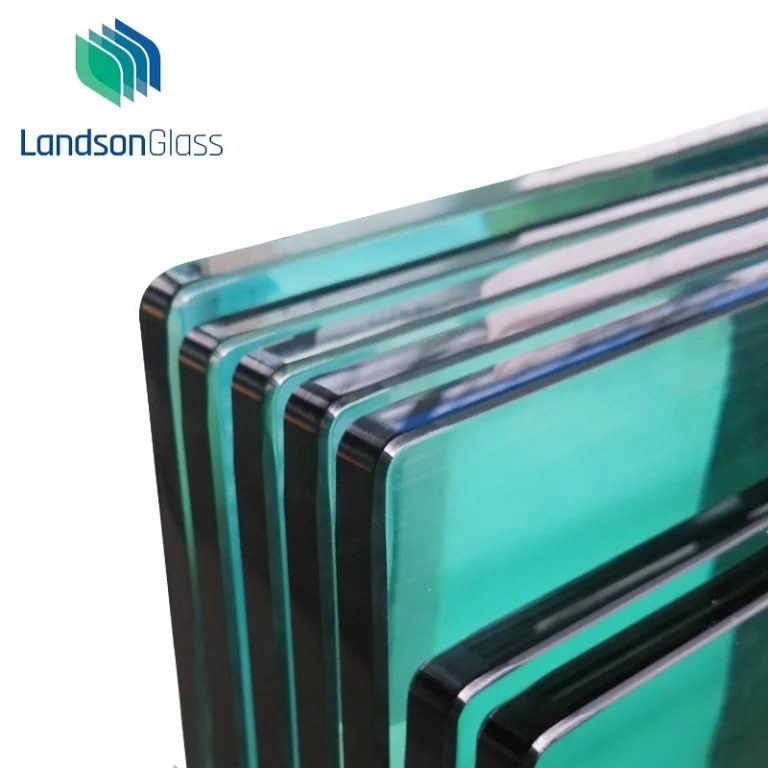
- Laminated Glass for Overhead & Fall Protection: Key where dropping glass could harm folks under. Two panes stick with interlayers (PVB or SGP).
- Thickness Calculation Logic: Hinges on things like span length, load kind (wind, snow), and support way.
- Interlayer Selection:
- PVB: More usual, bendy
- SGP: Tougher and firmer. It keeps whole even after break.
Glass Processing Capabilities Required
To get structural glass to work safe and seem nice, it goes through exact making steps:
- Heat Treatment: To make tempered or heat-strengthened glass
- Lamination: Pressing layers with heat and push
- Edge Processing: Polishing, beveling to stop stress spots
- Drilling & Cut-Outs: For hardware bits like bolts or handles
- Heat Soak Test: Finds nickel sulfide bits in tempered glass
- Size Tolerance & Flatness Control: Key for setup match and sight quality
Landson Glass is a solid supplier. It gives these skills inside. As a pro architectural glass manufacturer, it offers tempered, laminated, insulated and decorative picks. These fit hard building jobs.
Safety & Code Requirements Across Applications
No matter the use, sticking to safety rules is a must:
- Overhead Glazing: Must use laminated glass by law in most areas
- Human Impact Zones: Glass near ground must fight human bumps. It shouldn’t break bad.
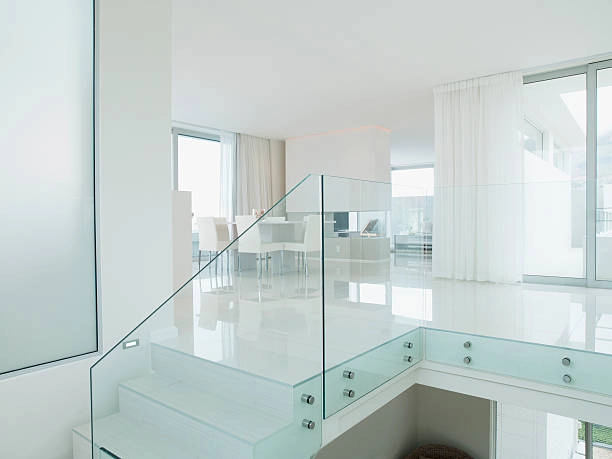
- Fall Protection: Balustrades and guardrails must use laminated setups with strong interlayers
- ASTM / EN Standards: Including EN 12600 (impact resistance), EN 12150 (tempered), ASTM E1300 (load resistance)
- Local Code Adaptability: Glass must get certified by local rules—what works in Europe may not pass in North America
Design & Performance Challenges
Glass looks plain. But it acts tricky under push:
- Thermal Stress: From heat changes between shade and sun spots—can split plain panes.
- Wind Load: Extra key for tall curtain walls.
- Spontaneous Breakage: Mostly from bad bits like nickel sulfide; cut by heat soak testing.
- Visual Quality:
- Anisotropy: Polarized color marks seen in some lights.
- Roller Wave: Surface bend from tempering.
Matching work and looks often means give and take. That’s why teaming with skilled manufacturers like Landson Glass counts—they know to cut flaws. And not hurt build trust.
Why System-Level Manufacturing Matters
Seeing each architectural glass part as a big setup piece boosts results:
- Consistency Across Applications: Even making keeps acts steady over roofs, walls, and covers.
- Risk Reduction: Less shocks in setup or after fails.
- Project Customization: From odd shapes to print designs to coat adds.
- Long-Term Performance: Right interlayer pick, edge finish and lamination stretch use time—even in rough outside spots.
In the end, structural glazing isn’t only about picking “strong” glass—it’s about choosing the fit system from begin to close. That covers material details, making exactness, rule match, and put-together quality.
FAQs
Q1: What’s the difference between tempered and laminated glass?
Tempered glass gets heat-treated for power and breaks into small bits. Laminated glass puts two panes with a layer that keeps pieces in place after break.
Q2: Why is laminated glass required for skylights?
Laminated glass stops bad fall-through mishaps if overhead glazing breaks.
Q3: What’s an insulated glass unit (IGU)?
An IGU has two or more panes split by a spacer and shut at edges—used for heat hold and noise cut.
Q4: Can I use regular float glass for outdoor structures?
No—float glass misses the power and safety traits needed for structural or overhead use.
Q5: Does Landson Glass provide custom fabrication?
Yes. Landson Glass focuses on custom architectural glass items fit to exact job wants, including shape cuts, lamination choices, and coatings.