

Moderne Architektur zielt oft darauf ab, Offenheit und Sicherheit zu vereinen. Glasgeländer spielen dabei eine Schlüsselrolle. Planer fragen sich häufig, ob sie sich für gerahmte oder rahmenlose Glasgeländer entscheiden sollen. Gerahmte Geländer bieten mehr Stabilität und Benutzerfreundlichkeit. Rahmenlose Geländer ermöglichen freie Sicht und wirken modern. Die Wahl hängt davon ab, was für Ihr Projekt am wichtigsten ist – Langlebigkeit, Optik oder die gewünschte Offenheit.
Die wachsende Beliebtheit von Glasgeländern
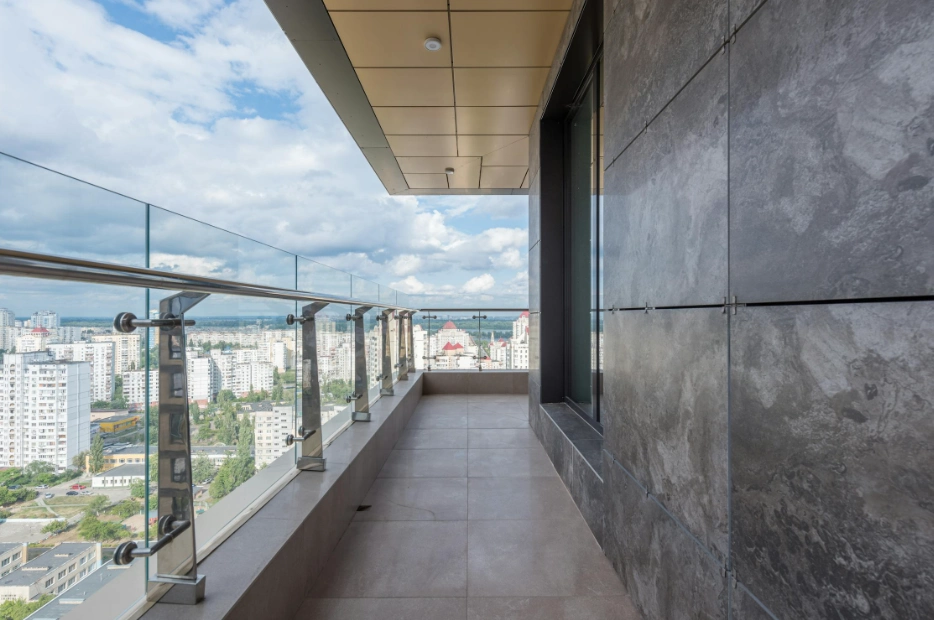
Freie Ausblicke prägen den aktuellen Baustil. Glasgeländer verstärken diesen Effekt, indem sie Licht ungehindert durch die Räume lassen. Gleichzeitig bieten sie Sicherheit. Sie werden vermehrt auf Balkonen, in Bürolobbys und auf Hotelterrassen eingesetzt. Diese Konstruktionen lassen Räume größer wirken, ohne die Sicherheit zu beeinträchtigen.
Immer mehr Menschen wünschen sich Glasgeländer. Es ist langlebig und im Gegensatz zu Holz oder Metall pflegeleicht. Außerdem ist es rostbeständig und witterungsbeständig. Das ist ein großer Vorteil in Strandnähe oder an feuchten Orten. Dank neuer Produktionstechniken ist Glas zudem robust und zuverlässig für tragende Konstruktionen.
Arten von Glas, die in Geländersystemen verwendet werden
Gehärtetes Glas Es steht ganz oben auf der Liste für Geländer. Durch eine Wärmebehandlung wird seine Festigkeit um ein Vielfaches gegenüber normalem Glas erhöht. Sollte es brechen, zerfällt es in winzige, stumpfe Splitter, nicht in scharfe Kanten. Das sorgt für Sicherheit.
Laminiertes Glas Auch diese Methode schneidet sehr gut ab. Sie besteht aus zwei oder mehr Platten, die mit einer mittleren Schicht, meist PVB, verklebt sind. Diese Konstruktion hält die Teile nach einem Aufprall an Ort und Stelle. Sie bietet zusätzlichen Schutz und dämpft den Lärm – ideal für hohe Balkone oder stark frequentierte Orte in der Stadt.
Designs lassen sich problemlos anpassen. Architekten wählen farbige oder geätzte Oberflächen für mehr Privatsphäre oder eine ansprechendere Optik. Eisenarmes Glas bietet eine hohe Klarheit mit geringer Farbtönung und eignet sich hervorragend für hochwertige, rahmenlose Systeme.
Gerahmte Glasgeländer: Struktur und Eigenschaften
Rahmen- und rahmenlose Geländer unterscheiden sich deutlich in Tragfähigkeit und Design. Rahmengeländer bestehen aus sichtbaren Metallteilen, die jede einzelne Glasscheibe umschließen.
Was definiert ein gerahmtes Glasgeländersystem?
Rahmen aus Aluminium oder Edelstahl halten die Glasscheiben fest. Man sieht sie häufig auf Treppen, Terrassen und Balkonen. Gerade dort ist besondere Stabilität erforderlich. Der Rahmen bietet festen Halt und ermöglicht zudem eine einfache Montage. Die einzelnen Teile lassen sich wie Module zusammenfügen und austauschen.
Gestaltungsoptionen für Rahmensysteme
Rahmenkonstruktionen bieten flexible Gestaltungsmöglichkeiten. Sie entsprechen den Anforderungen des jeweiligen Auftrags.
Auswahlmöglichkeiten für Rahmenmaterialien
Aluminiumrahmen sind leicht und rostbeständig. Sie eignen sich gut für den Außenbereich, wo sie häufig Wasser ausgesetzt sind. Edelstahlrahmen wirken hochwertig. Sie halten Zugkräften besser stand und sind langlebiger.
Montagekonfigurationen
Die oben montierten Modelle lassen sich einfach installieren. Sie stehen direkt auf dem Boden. Die seitlich montierten Modelle werden an der Kante von Plattformen oder Böden befestigt. Dadurch wird die Bodenfläche vergrößert und die Sicht von höheren Positionen verbessert.
Vorteile von Geländern aus gerahmtem Glas
Gerahmte Konstruktionen sind ideal für Orte, die stabile Unterstützung benötigen, wie stark frequentierte Wege oder Treppenhäuser in Büros mit vielen Stufen. Beschädigte Platten lassen sich einfach austauschen, ohne die gesamte Konstruktion demontieren zu müssen. Individuelle Farben und Texturen der Rahmen ermöglichen die Integration in verschiedene Stile. Denken Sie an rustikale Werkstätten oder Fassaden im Vintage-Stil.
Zu berücksichtigende Einschränkungen
Metallteile können die klare Linienführung schlichter, moderner Designs stören. Reinigen Sie die Rahmen um die Verbindungsstellen regelmäßig. So verhindern Sie Staub- und Rostbildung. Dies ist besonders wichtig im Außenbereich, wo Regen Salzablagerungen hinterlässt.
Rahmenlose Glasgeländer: Struktur und ästhetische Wirkung
Rahmenkonstruktionen legen den Fokus auf die Konstruktion. Rahmenlose Konstruktionen betonen klare Formen. Ihr fließender Stil inspiriert Architekten zu offenen, modernen Räumen.
Definition rahmenloser Glasgeländersysteme
Rahmenloses Glasgeländer Die Montage verzichtet auf senkrechte Pfosten. Die Paneele werden mit Bodenschienen oder verdeckten Halterungen befestigt. So entsteht eine durchgehende Sichtlinie. Es ist wie eine schwebende Glaswand, die schützt und gleichzeitig für ein stilvolles Ambiente sorgt.
Hauptkomponenten rahmenloser Systeme
Sockelschuhkanäle und Klemmen
Aluminium-Fußleisten sind unter der Unterseite jeder Platte verborgen und sorgen für festen Halt. Die Befestigungselemente sind nach dem Verlegen der Bodenbeläge nicht mehr sichtbar.
Zapfen- oder Abstandshalterungen
Für die Verwendung an Poolwänden oder Balkonen sorgen kleine, aufrechte Griffe – sogenannte „Spitzen“ – dafür, dass die Paneele etwas vom Boden abstehen. Dadurch kann das Wasser ablaufen. So bleibt das beliebte „schwebende“ Gefühl erhalten, das bei Luxusbauten so geschätzt wird.
Vorteile von rahmenlosen Glasgeländern
Rahmenlose Optiken schaffen einen fließenden Übergang zwischen den Fenstern. Dies verleiht dem Gebäude eine unvergleichliche Eleganz. Sie lassen viel Tageslicht ins Innere und bieten weite Ausblicke nach außen. Stellen Sie sich Häuser am Meer oder luxuriöse Lounges im obersten Stockwerk vor. Weniger sichtbare Teile bedeuten eine einfachere Pflege. Weniger Fugen reduzieren die Anfälligkeit für Schmutzflecken.
Herausforderungen und Installationsüberlegungen
Präzision ist entscheidend. Rahmenlose Geländer unterliegen strengen Bauvorschriften. Sie müssen Windböen und dem Drängen von Personen standhalten, ohne sich sichtbar zu verbiegen. Die Montage erfordert Fachkräfte, die die genaue Ausrichtung kennen. Schon ein kleiner Fehler kann die Optik beeinträchtigen oder die Einhaltung der Sicherheitsvorschriften gefährden.
Vergleich von gerahmten und rahmenlosen Glasgeländern: Wichtige Bewertungskriterien
Bei der Auswahl dieser Produkte müssen Sie verschiedene Aspekte berücksichtigen. Das Aussehen ist wichtig, aber auch die Anforderungen an die Verarbeitung, der Pflegeaufwand, das Preisniveau und die geplante Verwendung.
Ästhetische Auswirkungen auf das architektonische Design
Gerahmte Glasgeländer Sie passen zu älteren Grundrissen. Klare Kanten verleihen Wänden und Räumen eine fließende Optik. Rahmenlose Modelle wirken in modernen, eleganten Umgebungen besonders gut. Sie betonen Leichtigkeit und Weite. Man findet sie in gehobenen Wohnhäusern oder kleinen Hotels. Dort sind klare Linien über den Glasgeländern der Balkone erwünscht.
Normen für Strukturleistung und Sicherheit
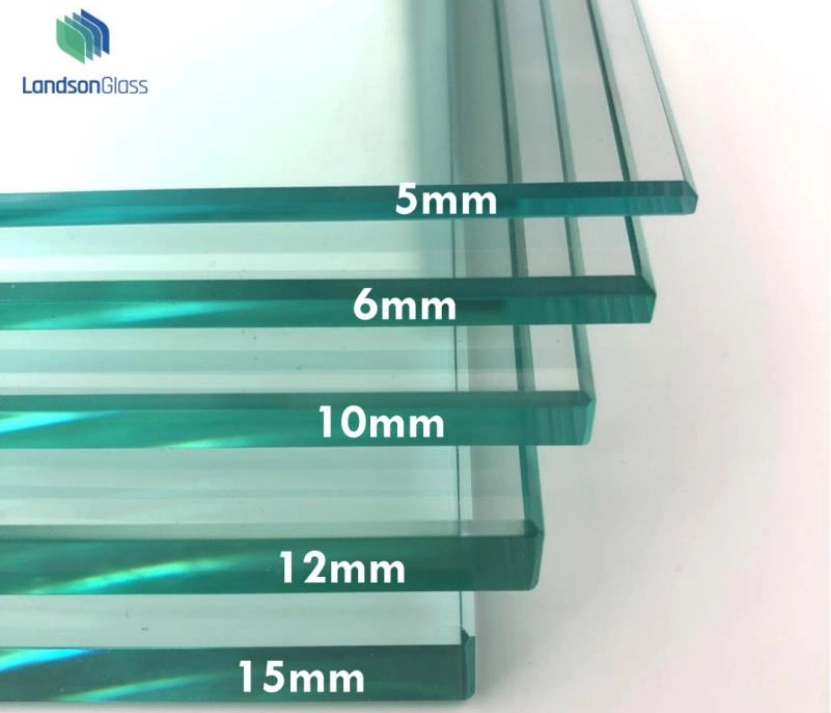
Beide Typen erfüllen die internationalen Sicherheitsstandards. Zertifizierte Hersteller wie Landson Glass fertigen sie aus gehärtetem oder laminiertem Glas gemäß EN/ASTM-Richtlinien. Rahmenkonstruktionen bieten zusätzliche Stabilität durch Metallverstärkungen. Rahmenlose Konstruktionen verwenden dickere Glasscheiben, oft 12–21 mm stark. Ingenieure konstruieren sie entsprechend der Belastbarkeit.
| Eigenschaften | Gerahmtes System | Rahmenloses System |
| Primäre Unterstützung | Metallrahmen | Basiskanal / Formstücke |
| Typische Glasdicke | 8–12 mm | 12–21 mm |
| Visuelle Transparenz | Gemäßigt | Hoch |
| Wartungsniveau | Mittel bis hoch | Niedrig |
| Kostenbereich | Gemäßigt | Höhere Vorabkosten |
Kostenfolgen und Wartungsanforderungen
Anfangsinvestition vs. langfristiger Wert
Rahmenlose Haustypen sind in der Anschaffung teurer. Spezielle Bauteile und robustere, gehärtete Bleche treiben den Preis in die Höhe. Sie bieten jedoch eine hochwertige Optik, die den Wert des Hauses später steigert. Viele Bauherren sehen dies als sinnvolle Investition.
Reinigungs- und Instandhaltungsbedarf
Rahmengeländer müssen an den Verbindungsstellen regelmäßig überprüft werden. Dort sammelt sich Schmutz an. Rahmenlose Geländer lassen sich leichter abwischen. Ihre Oberflächen bleiben weitgehend frei von Zahnradbrüchen.
Eignung der Anwendung nach Projekttyp
Wohnprojekte
Viele Hausbesitzer entscheiden sich für rahmenlose Fenster für Balkone, Terrassen oder Poolränder. Freie Sicht ermöglicht es, mehr Zeit im Freien zu verbringen, ohne dass die Sicht eingeschränkt wird.
Gewerbegebäude
An öffentlichen Orten sind gerahmte Modelle empfehlenswert. Integrierte Griffe erfüllen die Zugangsbestimmungen optimal. Sie bieten eine robuste und kostengünstige Lösung für den täglichen Gebrauch.
Die richtige Glasgeländerlösung mit der Expertise von Landson Glass auswählen
Das technische Know-how von erfahrenen Herstellern erleichtert die Entscheidung zwischen gerahmten und rahmenlosen Modellen.
Maßgeschneiderte Lösungen vom professionellen Hersteller
Landson Glas Wir bieten beide Varianten an, die exakt auf Ihre Projektanforderungen zugeschnitten sind. Unsere umfassenden Bearbeitungsfähigkeiten umfassen Schneiden, Härten, Laminieren, Bohren für Zahnradaufnahmen, Kantenglätten für sichere Handhabung und Oberflächenbeschichtungen. Diese entsprechen internationalen Normen wie EN/ASTM.
Technische Unterstützung für globale Bauprojekte
Unsere technische Beratung umfasst die Berechnung des Winddrucks, die Überprüfung lokaler Vorschriften (wie BS 6180), Maßnahmen gegen Rost in Küstennähe und die Überprüfung von Wärmeverschiebungen an Fugen.
Warum Sie mit Landson Glass zusammenarbeiten sollten
Eine stabile B2B-Lieferkette unterstützt Mauerbauer und Einkaufsgemeinschaften weltweit. Strenge Qualitätskontrollen mit Zertifizierungen gewährleisten die sichere Funktion jedes rahmenlosen Glasgeländersystems über die gesamte Nutzungsdauer.
Vielleicht bevorzugen Sie klare Linien mit rahmenlosem Glas. Oder Sie entscheiden sich für gerahmtes Glas, das eine gelungene Kombination aus Funktionalität und Stil bietet. Letztendlich spiegelt Ihre Wahl wider, wie Sie sich vorstellen, dass sich Menschen durch Licht und Ausblicke bewegen, die durch die klaren Kanten entstehen, die die Gebäude von heute prägen.
Häufig gestellte Fragen
Q1: Welche Glasstärke wird bei Balkongeländern verwendet?
Typischerweise zwischen 10 mm (gerahmt) und 21 mm (rahmenlos), abhängig von den Lastanforderungen und den örtlichen Bauvorschriften.
Q2: Sind rahmenlose Glasgeländer bei starkem Wind sicher?
Ja – vorausgesetzt, die Konstruktion erfolgt fachgerecht unter Verwendung von gehärteten Laminatplatten, die für die an den jeweiligen Standortbedingungen geltenden Windlasten ausgelegt sind.
Q3: Wie oft sollte ich mein Geländersystem reinigen?
Eine Reinigung alle paar Monate wird empfohlen; konzentrieren Sie sich dabei auf die Rahmenverbindungen, da sich dort der Schmutz am deutlichsten ansammelt.
Q4: Kann ich bestehende Metallgeländer mit rahmenlosem Glas nachrüsten?
Das ist möglich, erfordert aber möglicherweise eine statische Beurteilung, da die Basiskanäle feste Verankerungsflächen benötigen, die frei von Vibrationsbiegungen sind.
Q5: Was eignet sich besser für Häuser an der Küste: Aluminiumrahmen oder Edelstahlrahmen?
Aluminium eignet sich aufgrund seiner Korrosionsbeständigkeit gut; seewasserbeständiger Edelstahl bietet jedoch eine längere Lebensdauer bei Einwirkung von salzhaltiger Luft, sofern das Budget dies zulässt.