

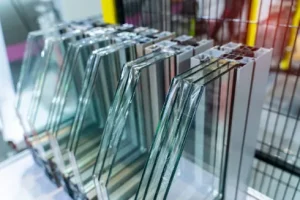
Structure of Double Glazed IGU
Components of a Double Glazed Insulated Glass Unit
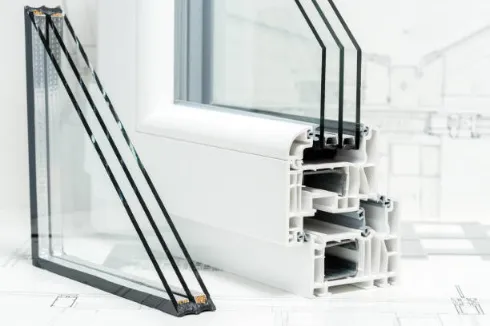
A double glazed IGU, or Insulated Glass Unit, basically has two sheets of glass. A spacer keeps them apart. This creates a closed space between the panes. That space usually holds air or some harmless gas.
This setup boosts the unit’s heat-blocking power. Inside the spacer, you find desiccants. They soak up leftover water and stop fog from forming inside. The edges get sealed tight. Folks use strong sealants for that. This keeps the heat control working well. It also holds the gas in place.
Gas Fill Options and Their Impact on Insulation
The gas picked for the IGU space changes how good it is at keeping heat out. Argon gets used most often. It gives solid results without costing too much. Krypton and xenon work even better.
They let less heat through. But they cost more. These gases change the unit’s U-value. That’s a number for heat flow. A smaller U-value means stronger insulation. So, buildings stay warmer in cold months. They also fight off extra heat in warm seasons.
Functional Benefits of Double Glazed IGUs
Thermal Insulation Capabilities
The stacked design of IGUs cuts down on heat moving from inside to outside. Or the other way around. This keeps room temperatures steady. It does not matter what’s happening outdoors. In the end, you heat less during winter. You cool less in summer too. Indoor spots feel nicer all year.
Acoustic Performance Enhancements
Double glazed IGUs help with noise too, not just heat. The gap full of air or gas works like a cushion. It softens sounds coming from outside. If you use laminated glass for one or both sides, it quiets things even more. This setup fits great near loud places. Think busy streets, airports, or factories.
Condensation Resistance and Moisture Control
Water drops on windows can cause trouble. They might start mold. They could harm the window over time. The two-pane style fights this. It keeps the inside glass warmer. So, less fog builds up. This keeps views clear. It also protects the window setup from breaking down.
Energy Efficiency Considerations
Contribution to Building Envelope Performance
IGUs help make a building’s outer shell better at holding heat. Their low U-values play a big part in energy scores. This makes it simpler to follow energy rules. It also aids green labels like LEED or BREEAM.
Impact on Heating and Cooling Loads
These units block extra heat from entering or leaving. So, you rely less on air systems. Energy use drops. Bills go down too. This saves money and helps the planet over the building’s years.
Design Flexibility and Aesthetic Integration
Customization Options for Architectural Applications
IGUs let you tweak things in many ways. You can pick glass thickness, shapes, special coatings like low-E, or colors. They work for roofs, walls, big glass fronts, room dividers, and such. Builders can hit their goals for function and looks.
Compatibility with Modern Glazing Systems
Double glazed units match well with today’s frames. That includes metal, plastic, or wood types. They slide right into homes or offices. They mix strong work with fresh styles.
Durability and Lifespan Factors
Resistance to Environmental Stressors
Builders make IGUs to face rough weather. Wind pushes hard. Sun beats down. Temps go up and down. The closed build fights off blur or water getting in. Use good stuff when making them, and they hold up.
Expected Service Life of IGUs in Buildings
A solid IGU should last 15 to 25 years. Things like spacer build, sealant kind, gas staying put, and careful making all help. Good setup and checks now and then stretch it further.
Installation Practices and Maintenance Needs
Key Considerations During Installation
Get installation just right. Bad fits make weak spots or break seals. That leads to early breakdowns. Make sure the frame and IGU match up. This keeps energy savings going strong.
Routine Maintenance Guidelines for Longevity
Clean with soft tools. This keeps glass clear and coatings safe. Check often for water signs or edge problems. Spot issues soon. That avoids big fix costs later.
Cost Implications Across Project Lifecycles
Initial Investment vs. Long-Term Savings
Double glazed IGUs cost more up front than single glass. But energy savings pay it back. You use less for heat or cool. Over the building’s time, you come out ahead.
Factors Influencing Price Variation
Costs change based on a few things:
- Type of glass (temperedglass, laminated glass)
- Gas fill (argon vs krypton)
- Low-E or reflective coatings
- Spacer material technology
- Custom shapes or oversized panels
Made-to-order work raises the price. But it lets projects fit exact needs or rules.
Choosing the Right IGU Glass Supplier
Importance of Material Quality and Fabrication Standards
Good suppliers ensure steady work from each unit. Careful making keeps thermal and strength rules. Pick ones that follow world safety checks. Like EN1279 or ASTM standards.
Working with Landson Glass on Custom IGU Solutions
Landson Glass makes custom insulated glass units for all sorts of building needs. They have lots of know-how in tempered glass, laminated glass, fancy, and IGU items. They help builders and teams from idea to pick. This matches strong goals with nice looks.
Application Scenarios Across Building Types
Residential Use Cases: Comfort Meets Efficiency
Double glazed IGUs show up a lot in homes. Think windows, sliding doors, sunrooms. Warmth inside counts as much as how it looks. Owners save on power. They keep the outside charm.
Commercial Integration: Performance at Scale
In work spots like offices, schools, or hospitals, IGUs let in light. They control sun heat too. They boost big-scale savings. This aids green aims without losing use.
Evaluating IGUs Against Alternative Technologies
Comparison with Single Glazing Systems
Next to single glass, double glazed IGUs insulate way better. They have much lower U-values. They suit places with big temp changes by season. Or cities that need quiet from street noise.
Differences Between IGU and Vacuum Insulated Glass (VIG)
VIG has slimmer builds and top insulation. But it costs a bundle. Double glazed IGUs fit most jobs well. They give good energy help at a fair price.
Climate-Specific Recommendations for IGU Use
Matching IGU Configurations to Regional Conditions
For cold areas, add low-E coatings with argon gas. This fights chill best. In hot spots, use colors or shiny coatings. They cut sun heat but let light in.
Landson Glass Solutions Tailored by Climate Zone
Landson Glass gives tech sheets at pick time. They guide on setups for local weather. So, each IGU fits the plan and the place around it.
FAQ
Q: What is a double glazed IGU?
Two glass panes separated by a spacer, with air or inert gas in between, sealed for better insulation.
Q: What are the key benefits of double glazed IGUs?
Superior thermal insulation, noise reduction, condensation prevention, and lower energy costs.
Q: Which gases are used in IGUs and why?
Argon (common, affordable); krypton/xenon (better insulation but more expensive) to lower U-value.
Q: How long do double glazed IGUs last?
Typically 15-25 years, depending on materials, seals, and installation quality.
Q: Are double glazed IGUs better than single glazing?
Yes—much lower U-values reduce heat transfer, energy use, and noise significantly.