

El control de calidad forma la base invisible de la fabricación de vidrio arquitectónico. Sin él, incluso la mejor tecnología de acristalamiento podría no cumplir con los objetivos de seguridad, claridad o rendimiento. Para proveedores globales como Landson Glass, un procesador de vidrio conocido y confiable, la gestión de calidad significa más que una rutina.
Lo que significa el control de calidad en la fabricación de vidrio
El control de calidad asegura que cada producto de vidrio alcance las marcas de rendimiento y seguridad necesarias. En la producción de vidrio arquitectónico, esto implica controles, pruebas y confirmaciones constantes desde las materias primas hasta el envasado final. Va más allá de detectar defectos. En su lugar, los detiene a través de una cuidadosa supervisión del proceso.
Los cheques constantes construyen fe con arquitectos, constructores y vendedores. Los clientes se sienten seguros de la fiabilidad de cada pieza de vidrio templado o laminado después de pruebas duras. También confían en el proveedor’ La honestidad. Empresas como vidrio Landson Comprender lo que los clientes necesitan. Ponemos el foco en la calidad del producto y la felicidad del comprador.
Por qué el control de calidad es importante para los proyectos arquitectónicos
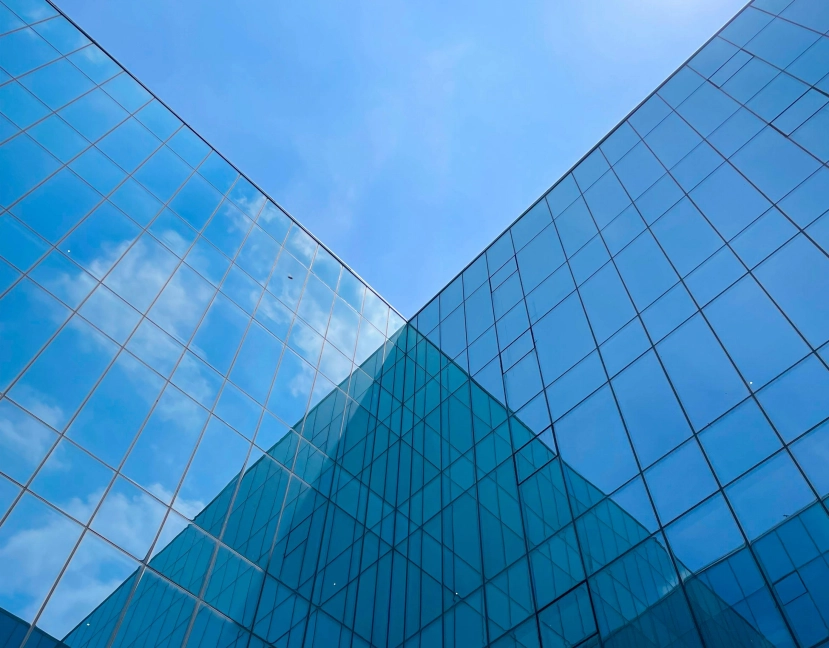
Los proyectos arquitectónicos dependen de materiales exactos. El vidrio de baja calidad puede conducir a vistas borrosas, estructuras temblorosas o un bajo uso de energía. Estos problemas pueden ralentizar el trabajo o aumentar los gastos. Un sólido control de calidad evita tales peligros. Garantiza resultados constantes en grandes configuraciones como fachadas de edificios o paredes cortinas.
Además, el vidrio de primera clase mejora la apariencia y la potencia duradera. La brecha entre un brillo perfecto y uno con defectos a menudo se relaciona con lo bien que los fabricantes manejan los pasos de calidad durante la producción.
Etapas clave del control de calidad en la producción de vidrio arquitectónico
Los controles de calidad no’ t ocurre en un solo punto. Corren a través de toda la línea de producción. Cada fase ayuda a asegurarse de que el vidrio arquitectónico funcione bien en entornos cotidianos.
Inspección y preparación de materias primas
Cada hoja de vidrio arquitectónico comienza con materiales básicos como arena de sílice, ceniza de soda y piedra caliza. Su limpieza establece la claridad final y la tenacidad del artículo. Incluso la suciedad pequeña puede crear manchas notables o cortar la fuerza.
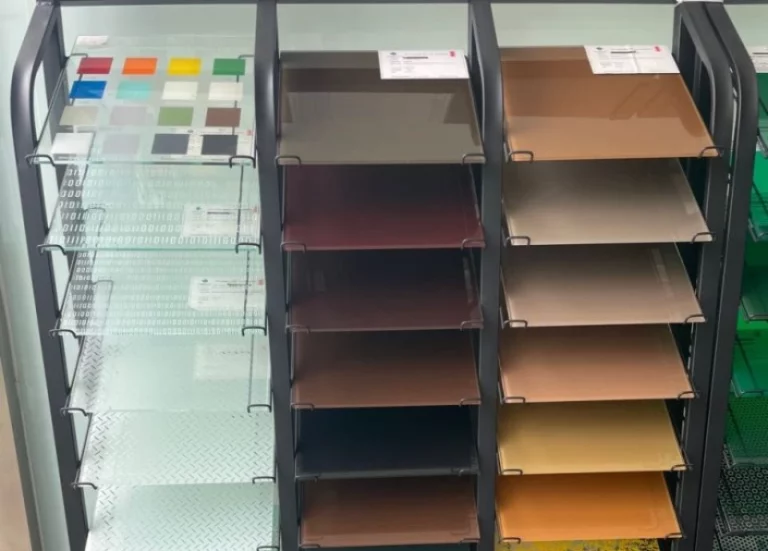
Las relaciones de mezcla adecuadas proporcionan uniformidad. Como resultado, cada lote mantiene propiedades de luz estables. Esto es muy importante para los trabajos que necesitan paneles de color combinado en grandes frentes de edificios.
Monitoreo del proceso de fabricación
Una vez que el calentamiento comienza, mantener la temperatura constante resulta vital. Los cambios pueden causar bolsillos de aire o superficies ásperas que dañan la apariencia y la durabilidad. Las herramientas automáticas modernas muestran detalles como espesor uniforme, color constante y acabado liso de inmediato.
Pruebas de calidad post-procesamiento
Después de dar forma y enfriar, el vidrio arquitectónico se enfrenta a múltiples pruebas de postprocesamiento. Estos confirman la visión clara, la fuerza física y el comportamiento térmico.
Prueba de resistencia mecánica
Vidrio templado necesita manejar alta presión sin romperse de formas extrañas. Los artículos laminados se prueban para ver si mantienen las piezas en su lugar después de los golpes. Esta característica de seguridad se adapta a lugares públicos. Estas pruebas cumplen con normas mundiales como EN 12150 o ASTM C1048.
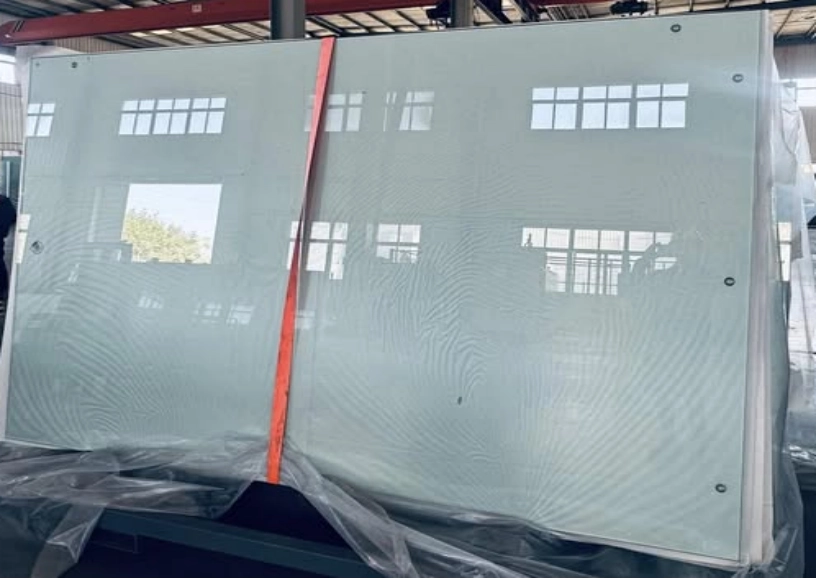
Evaluación del rendimiento térmico y acústico
Hoy’ s arquitectura hace hincapié en el edificio verde, por lo que el bloqueo de calor puede’ t ser saltado. El vidrio de ahorro de energía se comprueba para el valor U (caudal de calor) y la reducción de ruido. Estos satisfacen las necesidades de comodidad en áreas urbanas.
| Tipo de prueba | Propósito | Referencia estándar |
| Resistencia al impacto | Validación de seguridad | EN 12600 / ASTM C1048 |
| aislamiento térmico | Rendimiento energético | norma ISO 10292 |
| Atenuación acústica | Medición de la comodidad | Norma ISO 140-3 |
Cómo el control de calidad mejora el rendimiento del vidrio en aplicaciones reales
Una configuración de alta calidad convierte los materiales básicos en piezas de construcción fiables. Estas partes manejan varios desafíos climáticos.
Mejorar la seguridad y la fiabilidad estructural
El vidrio templado se enfrenta a pruebas de presión. De esta manera, resiste cambios rápidos en la fuerza sin romperse dañinamente. Los tipos laminados utilizan capas como PVB o EVA. Mantenen los trozos juntos después de los impactos. Esto reduce las posibilidades de lesiones. También mantiene la barrera entera incluso si está dañada.
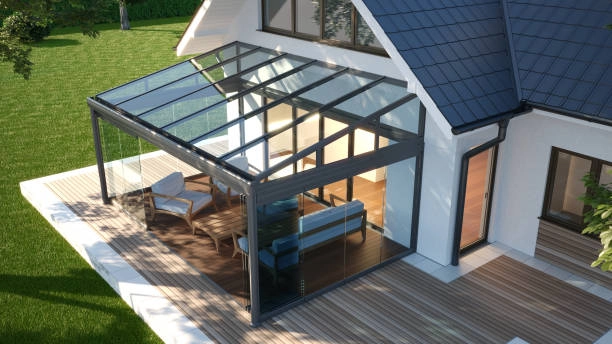
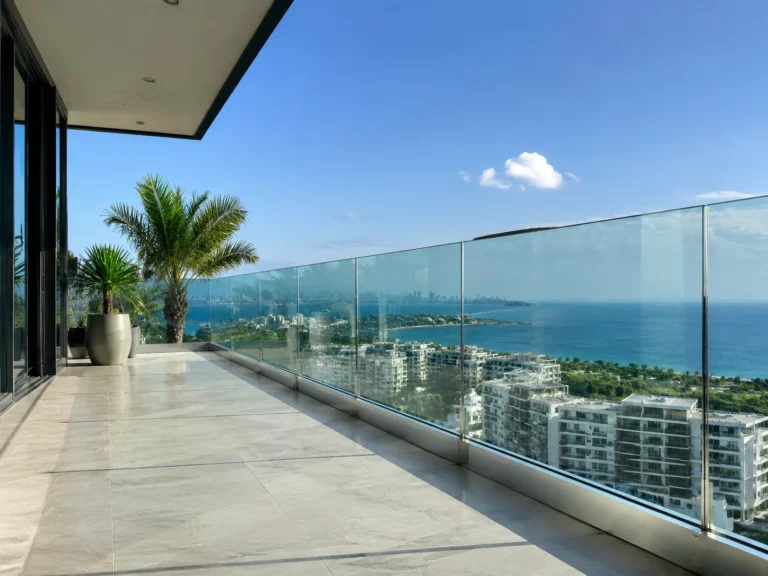
Vidrio laminado Actúa como un vidrio de seguridad. Mantiene el vidrio unido cuando se rompe. Muchas personas encuentran este rasgo esencial para las luces del techo, barandillas o frentes altos de edificios. La seguridad humana viene primero.
Garantizar eficiencia energética y comodidad
Los fabricantes aplican recubrimientos bajo estricto control. Esto aumenta el bloqueo solar y la retención de calor. Ambos ayudan a configuraciones de vidrio de ahorro energético. Incluso las capas de recubrimiento prometen un paso constante de la luz en lugares desde los trópicos cálidos hasta los puntos fríos.
Por ejemplo, unidades de vidrio aislado (IGU), o unidades de doble acristalamiento, menor movimiento de calor a través de las ventanas. Estas unidades dependen de etapas de sellado cuidadosas. Los trabajadores los verifican en controles de calidad para mantener el rendimiento con el tiempo.
Apoyar la precisión estética en la arquitectura moderna
El diseño de edificios ahora requiere visuales puntuales. Piensa en brillos suaves sobre torres altas o paneles sintonizados para coincidir con la naturaleza. Los controles estrictos detienen los discordancias de colores o brillo. Protegen lo que el arquitecto planeó.
El papel de las certificaciones y normas en la garantía de calidad
Las certificaciones actúan como prueba externa de reglas internas. Le dicen a los clientes que los pasos alcanzan marcas mundiales conocidas.
Importancia de cumplir con las normas globales
Seguir reglas como ISO 9001 muestra formas planificadas dirigidas a ganancias constantes. La coincidencia de códigos de construcción locales también asegura estar bien en diversos mercados. Esto cuenta para los proveedores que llegan a lugares como Australia, Nueva Zelanda, Europa y más.
Cómo Landson Glass implementa rigurosos sistemas de calidad
Landson Glass ofrece una gama de productos sólidos para satisfacer las diversas necesidades de los clientes. Su sistema de comprobación en varios pasos abarca desde las revisiones de las materias primas hasta las últimas confirmaciones del embalaje. El equipo de prueba avanzado asegura una visión clara constante y fuerza física en cada lote.
Los equipos especiales de calidad en la fábrica de Pingdu de Landson supervisan cada carrera para la exactitud. Esto encaja con la marca’ s idea principal: Donde la calidad y el servicio son los más importantes.
El valor empresarial de las fuertes prácticas de control de calidad
Además de las garantías tecnológicas, el control de calidad inteligente trae ganancias clave. Aumenta el flujo de trabajo y la confianza del mercado a la vez.
Crear confianza con clientes y socios globales
Los resultados constantes elevan la marca en el extranjero. Esto resulta clave para los proveedores de negocio a negocio. Se vinculan con fabricantes de ventanas o constructores frontales que cuentan con envíos rápidas. Los registros claros aceleran los asentamientos del proyecto al mostrar las coincidencias de reglas temprano.
Reducción de costos mediante una gestión eficiente de la producción
Encontrar fallas pronto reduce el trabajo de reparación. También ahorra materiales de base. Este ahorro directo a menudo se pierde en rendimientos de gasto de calidad. Los pasos de comprobación suaves reducen los tiempos de espera. Lo hacen sin perjudicar la fiabilidad del artículo. Eso’ es crucial para los horarios de construcción rápidos en todo el mundo.
Apoyo a los Objetivos de Construcción Sostenible
El vidrio arquitectónico resistente ayuda a los objetivos verdes de inmediato. Reduce la frecuencia con que ocurren los reemplazos durante muchos años. Combinados con tecnologías de ahorro de energía como recubrimientos de baja emisión de E o unidades aisladas, estos artículos ayudan a los edificios a obtener insignias como LEED o BREEAM. Eso aumenta tanto el valor ecológico como el atractivo del sitio con el tiempo.
Preguntas frecuentes
Q1: ¿Qué hace que Landson Glass sea diferente de otros fabricantes de vidrio arquitectónico?
Landson Glass combina controles en múltiples etapas con tecnología de procesamiento de vanguardia, lo que garantiza una confianza constante en los productos en todos los mercados globales a los que llega desde 2002.
Q2: ¿Por qué el vidrio templado se considera más seguro que el vidrio recocido ordinario?
El vidrio templado pasa por un tratamiento térmico planificado. Construye tensiones internas que lo hacen cuatro a cinco veces más duro que el vidrio flotante estándar. Si se rompe, forma trozos pequeños y aburridos.
Q3: ¿Cómo mejora el vidrio laminado la seguridad del edificio?
Su capa media mantiene bloqueados los trozos rotos. Esto impide que las piezas afiladas caigan. El rasgo se adapta a las ventanas o áreas de multitud.
Q4: ¿Qué certificaciones deben buscar los compradores al adquirir vidrio arquitectónico?
La certificación ISO 9001, además de las coincidencias con las normas EN o ASTM, apunta a un manejo firme de procesos en las plantas de fabricación.
Q5: ¿Cómo contribuye el vidrio eficiente en energía a la sostenibilidad?
Reduce el flujo de calor a través de las ventanas. Como resultado, disminuye las necesidades de calefacción y refrigeración. Esto conduce a menos consumo de energía en un edificio’ vida. También mejora la facilidad de uso durante todo el año.