

Seleccionar el vidrio arquitectónico adecuado para fachadas y aberturas de edificios va más allá de la mera apariencia. Juga un papel clave en una estructura’ uso de energía, seguridad y comodidad del usuario. Una elección inteligente reduce los gastos, aumenta el respeto con el medio ambiente y fortalece el atractivo visual. Por otro lado, una mala elección provoca desperdicios y problemas de mantenimiento continuos.
Por qué la selección de vidrio es importante para fachadas y ventanas
El tipo de vidrio que selecciona forma su edificio’ vinculación con su entorno. El vidrio fuerte aumenta la retención de calor, reduce los problemas de sonido y maneja la entrada de luz solar. Tome unidades de vidrio aislado (IGU) o configuraciones de doble vidrio, por ejemplo. Reducen drásticamente el calor que pasa a través de las aberturas. Estas opciones se adaptan a grandes frentes frente al sol directo.
Sin embargo, si elige mal, se enfrenta a un alto uso de energía o acumulación de humedad. En zonas climáticas duras, esto se traduce en facturas más pronunciadas para enfriamiento o calefacción durante todo el año. Las mezclas inteligentes de tratamientos superficiales y profundidades de paneles proporcionan tanto facilidad como adhesión a las reglas de energía del área.
Cómo el vidrio arquitectónico afecta el diseño del edificio
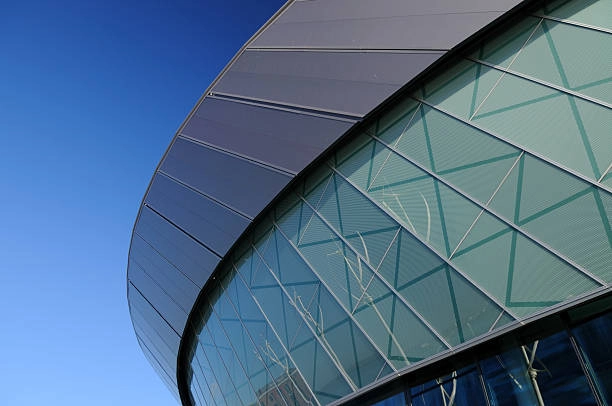
El vidrio arquitectónico moldea el aspecto exterior y los estados de ánimo interiores por igual. Los diseñadores lo usan para manejar la luz, los rebotes y los niveles de transparencia de maneras nuevas que marcan los estilos actuales. También influye en la distribución del peso y los métodos de ajuste. Esto es cierto especialmente para las hojas grandes o formas dobladas.
vidrio Landson, un procesador de vidrio bien conocido y confiable, ha apoyado los sectores de vidrio y vidrio en Australia, Nueva Zelanda y varios otros lugares desde 2002. Puede ver nuestros artículos en edificios altos y sitios comerciales clave en toda Europa. Esto muestra cómo el manejo sólido ayuda a planes de diseño audaces.
Evaluación de los requisitos de rendimiento antes de la compra
Aprenda su sitio’ s configuración meteorológica antes de establecerse en cualquier artículo o proveedor. Los tipos meteorológicos de la zona guía si necesita conservar calor adicional o rasgos bloqueantes del sol.
¿Qué factores ambientales deben considerarse?
En los puntos cálidos, las capas bloqueantes del sol cortan la entrada de calor mientras conservan el brillo del día. En zonas frías, las capas de baja emisividad (Low-E) ayudan a mantener el calor interior. Las manchas en la costa requieren opciones adheridas o tratadas que se resisten al daño del aire salino.
Las reglas de área también seleccionan la forma. Muchos lugares establecen directrices firmes para ahorrar energía o acristalamiento seguro cerca de los pasillos.
Cómo evaluar la eficiencia energética en los productos de vidrio
Los expertos miden el trabajo energético a través del valor U, que rastrea el escape de calor, y el coeficiente de ganancia de calor solar (SHGC), que comprueba la ingesta de calor solar. Los valores de U más pequeños señalan bloqueo de calor sólido. Números menores de SHGC apuntan a un manejo solar firme.
| Tipo de calificación | Función | Rango ideal |
| Valor U | Medidas de pérdida de calor | 1,0 – 2,0 W/m²K para fachadas eficientes |
| SHGC | Medidas de ganancia solar | 0,25 – 0,45 para climas cálidos |
| Transmisión de luz visible (VLT) | Tasa de penetración de luz | 50-70% para una iluminación equilibrada |
El emparejamiento o triplicación de paneles aumenta el bloqueo de calor mucho en sistemas de paredes anchas. Las hojas individuales lucharían allí con el calor.
Comprender las normas de seguridad y durabilidad
La seguridad es una necesidad en el diseño frontal. Varios trabajos requieren resistencia al impacto variable en función de la altura del edificio, el tipo de usuario o el nivel de riesgo.
¿Qué tipos de vidrio de seguridad están disponibles?
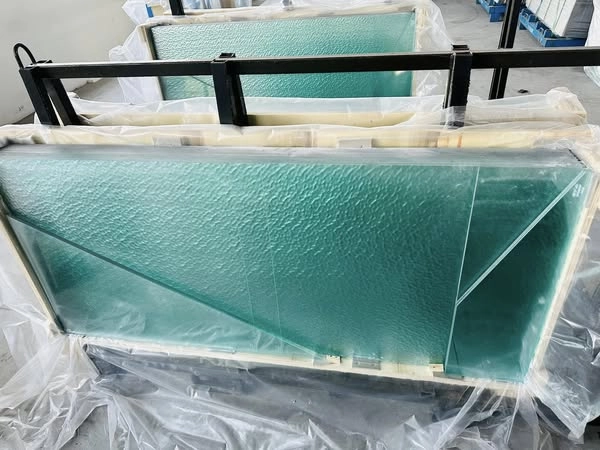
Vidrio templado ofrece una construcción fuerte. Se rompe en pequeños trozos aburridos, no bordes afilados. El vidrio laminado utiliza una capa media para mantener los trozos en su lugar cuando se rompen. Esto se adapta bien para luces de techo o puntos de nivel de base que buscan protección o silencio.
El vidrio laminado es un vidrio de seguridad que mantiene el vidrio unido cuando se rompe. Se fabrica mediante la unión de capas con polivinilbutiral (PVB) o etileno-acetato de vinilo (EVA). Para áreas con presión justa, como paneles laterales o barandillas, los tipos reforzados por calentamiento ofrecen suficiente resistencia sin gastos completos de templado.
Cómo garantizar el cumplimiento de las normas internacionales
Verifique marcas como CE (Europa), ASTM (Estados Unidos) o normas EN antes de comprar. Estos confirman que el producto ha aprobado pruebas difíciles para el soporte de peso y resistencia al golpe.
Landson Glass ofrece una variedad de productos de buena calidad para satisfacer diferentes requisitos de nuestros clientes. Los productos de Landson Glass están certificados por Sai Global, TUV. Trabajar en equipo con proveedores que entienden las reglas de envío en todo el mundo facilita los asentamientos de proyectos en diversas áreas.
Considerar opciones estéticas y funcionales
Además de rasgos de trabajo, vidrio arquitectónico establece un edificio’ carácter. Su sensación, sombra, brillo y apertura forman cómo la gente lo ve.
¿Qué opciones de diseño afectan la apariencia?
Las capas de colores cambian los colores exteriores y facilitan el deslumbramiento. Las películas brillantes aportan aislamiento diurno pero mantienen las vistas interiores nítidas. Los extremos texturizados difunden la luz bien dentro sin cortar el brillo.
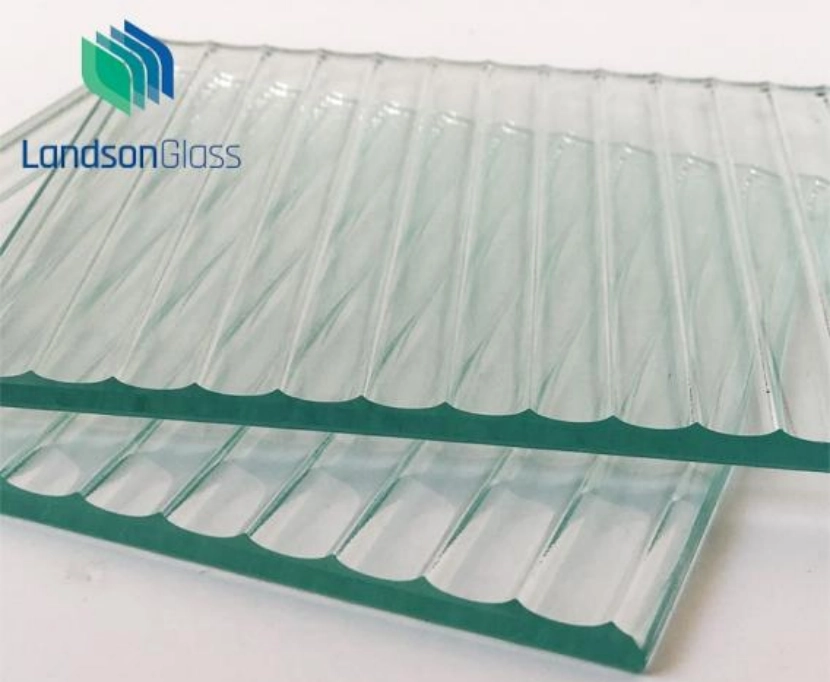
vidrio patrón es una especie de vidrio plano translúcido decorativo con patrones en relieve en una o ambas superficies. Tales opciones a menudo aparecen en los pasillos de entrada o escalones donde el aislamiento se mezcla con la apariencia.
Las formas personalizadas, como los lados doblados o las formas especiales, permiten a los diseñadores crear frentes destacados. Estos se combinan bien con los sistemas de marco en la práctica.
Cómo equilibrar las necesidades de transparencia y privacidad
El vidrio flotante sencillo permite la máxima luz natural. Pero en lugares urbanos, puede revelar el interior demasiado claramente. Los extremos grabados borran la vista mientras mantienen el flujo de luz diurna alto. Las gafas inteligentes intercambiables ofrecen un control de aislamiento cambiante. Se adaptan a espacios de conferencias que necesitan adaptabilidad.
Preguntas prácticas sobre instalación y mantenimiento
El mejor artículo cae corto con mal ajuste. El trabajo en equipo entre planificadores, constructores y proveedores asegura los pasos correctos de principio a fin.
¿Qué factores de instalación deben ser discutidos con los proveedores?
La coincidencia del marco afecta la resistencia del sello. Las formas equivocadas conducen a goteados más tarde. Hable sobre el peso de la hoja por adelantado. Los tipos de unión más gruesos pueden necesitar marcos o elevadores más robustos para la configuración.
Un buen acabado lateral detiene las rupturas de tensión después del montaje. Esto es lo más importante para las láminas templadas en sistemas de paredes frente al viento.
Cómo mantener el rendimiento a largo plazo del vidrio arquitectónico
El lavado regular mantiene la visión clara y bloquea las manchas minerales de la lluvia. Compruebe los sellos cada año. Los enlaces de goma desgastados debilitan el bloqueo de calor con el tiempo.
Landson Glass recomienda consultar a un vidriero profesional antes de limpiar recubrimientos especiales, este pequeño detalle es crucial para prolongar la vida útil del vidrio.
Elegir un proveedor confiable de vidrio arquitectónico
Su trabajo delantero’ El resultado depende mucho de la estabilidad del proveedor. Esto cubre no solo el calibre del artículo, sino la ayuda de entrega en medio de tiempos de construcción apresurados.
¿Qué buscar en un fabricante profesional de vidrio?
Busque empresas con práctica en trabajos complicados en varias tierras. La calidad de fabricación constante supera el bajo costo. Las plantas modernas que manejan el endurecimiento, la unión, el sellado térmico y el trabajo de impresión abren una amplia confección bajo un solo sitio.
Nuestro personal de 200 vienen de nuestra fábrica de Pingdu. Su experiencia en procesamiento de una década garantiza la precisión incluso en pedidos de alto volumen destinados a plazos de entrega internacionales.
Por qué asociarse con Landson Glass aporta valor a su proyecto
Landson Glass ofrece soluciones de vidrio arquitectónico personalizadas para fachadas y ventanas en todo el mundo. Nuestro compromiso ESG refleja la conciencia hacia la responsabilidad ambiental: elegir estos socios alinea su proyecto con las prácticas de construcción sostenibles cada vez más demandadas hoy por los desarrolladores de todo el mundo.
Preguntas frecuentes
Q1: ¿Cuál es el mejor vidrio para construir fachadas y ventanas?
IGU de doble o triple acristalamiento con revestimiento Low-E. Ofrecen el mejor equilibrio entre eficiencia energética, control solar y comodidad.
Q2: ¿Cómo elegir vidrio eficiente energéticamente para fachadas?
Busque un valor U bajo (≤1,0) y un SHGC adecuado (0,25-0,45 en climas cálidos). Utilice acristalamiento doble o triple revestido con Low-E.
Q3: ¿Cuál es la diferencia entre vidrio templado y laminado?
El vidrio templado es más fuerte y se rompe en pequeños trozos romos. El vidrio laminado se mantiene unido cuando se rompe para una mejor seguridad y seguridad.
Q4: ¿Cuáles son el buen valor U y SHGC para vidrio arquitectónico?
Valor U: 1.0 o inferior. SHGC: 0.25-0.45 para climas cálidos.
Q5: ¿Cómo seleccionar vidrio de seguridad para fachadas de altura?
Elija vidrio templado o laminado (o ambos) que cumpla con las normas CE, ASTM o EN, teniendo en cuenta las cargas de viento y la altura del edificio.