

“The windows are wet” leaves a lot unanswered. Water on the pool side needs a different response from mist sealed between the panes. Before ordering double glazing for indoor pools, try a cloth on both faces. You may need replacement glass. Or the room may need attention.
Why Indoor Pools Present Unique Glazing Challenges
Nobody is swimming. The pool has closed for the night. Leave the water uncovered, though, and evaporation carries on. Turning off the drying equipment along with the lights could leave the morning shift with wet windows.
Consider a glass edge measured at 22°C. In a room at 30°C with 60% relative humidity, it sits just above the dew point of about 21°C. Let humidity reach 70% and the dew point rises to roughly 24°C. That edge can now get wet without anything happening to the unit itself.
Write the time beside any photographs. A reading after the busiest swimming lesson may tell us more than one taken in an empty room.
Understanding the Different Types of Condensation on Pool Glazing
Interior Surface Condensation
Wipe the pool side dry and watch where the droplets return. A wet bottom corner deserves a check right there. Warm air may be passing well above it. The room sensor across the hall can’t tell you whether air is reaching that patch of glass.
Condensation Between Glass Panes
Still cloudy after cleaning both faces? Suspect fogging or an IGU seal problem and get it inspected. Moisture might be inside the unit. Adjusting a fan in the room won’t deal with water shut away between two panes.
Exterior Surface Condensation
Keep a dawn photograph of outside mist in the file until there is a second photograph later that morning. Clear skies can cool the outer pane overnight. If the mist disappears by mid-morning, a fault is far from certain. Replacing the unit may achieve nothing.
How Double Glazing Helps Reduce Condensation
A single pane offers heat a fairly easy way out. With unidades de vidrio aislado, the cavity adds resistance to that journey. The face beside the pool can stay warmer as a result.
Include a suitable Low-E configuration in the comparison. But “better glass” isn’t a complete answer. We need to know how the edge behaves in its frame, under your room conditions. That cold corner still counts.
How to Specify Double Glazing for Indoor Pools
Define the Indoor Design Conditions
How warm will the room run, and at what RH? Put those answers in the enquiry. Add the outside winter condition the designer is working to. If actual readings climb during busy sessions, include those too. Leaving busy periods out of the calculation can hide the problem.
Set the Required Thermal Performance
“U-value” needs something after it. Glass only? The frame as well? For condensation, request a temperature estimate for the coldest part of the installed assembly. Compare that temperature with dew point. The difference is your margin.
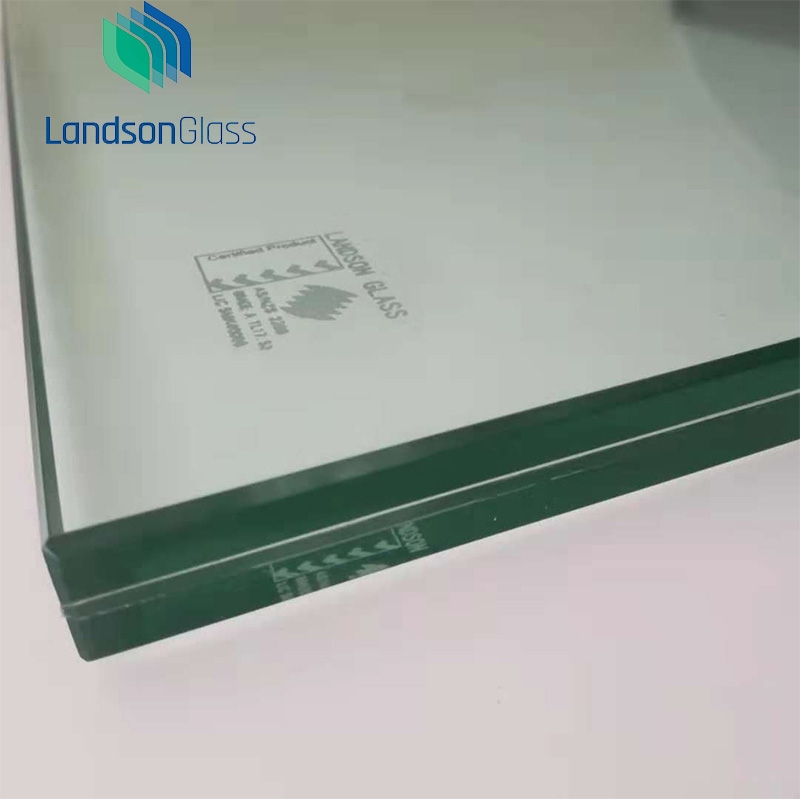
Select the Glass Build-Up and Low-E Coating
Send the sizes even if the thickness box is blank. We can discuss that after the load checks. Write down the cavity width against each coating option. Is that price for air or argon? Keep the answer beside the quoted performance, so it survives into the order.
Specify Warm-Edge Spacers and Edge Seals
A warm-edge spacer reduces heat loss around the perimeter. That doesn’t settle the frame detail, and it says nothing about which edge seal will be used. Keep the seal materials in the specification. If a substitute is proposed, check its compatibility with the glass assembly and exposure in the pool hall.
Choose Safety Glass for Pool Areas
Walk the route people take barefoot from the changing rooms. A slip could put someone against a low pane beside the door. Check local safety rules for that location. Vidrio laminado can retain broken fragments, but the proposed construction still has to meet the requirement for the opening.
Coordinate Frames and Installation Details
Send the frame section with the pane sizes. Where is the thermal break? Where will water leave the sill? On site, someone needs to check the drainage openings haven’t been filled with sealant. Check pane orientation on the rack rather than arguing about it during the lift. Mind the edges while handling.
Why Glass Alone Cannot Solve Indoor Pool Condensation
Picture a bench moved in front of the windows after handover. If it covers an air outlet, the lower glass may start getting wet even though the ventilation drawing was fine. Leave the air a route to the pane.
Opening up the outdoor air supply isn’t always a cure. On a muggy day it could add moisture. The ventilation designer needs to account for that weather as well as a full pool when sizing the drying equipment.
Before the finishes go on, check where the air and vapour barriers meet the window opening. A gap can let warm, damp air reach a cold part of the wall. Replacing the glass would leave that route open. Close it while somebody can still get at it.
What Information Should You Send to a Glass Manufacturer?
Send the drawings you have. Put quantities beside the panel dimensions so we know whether a size appears once or throughout the building. Add the project location and the room conditions. Include any agreed thermal target.
A preferred glass make-up helps if one has been chosen. So does the frame section. Tell us which safety requirements apply and where a choice is still open. Include the delivery destination and the date the glass is needed on site.
Common Mistakes to Avoid When Specifying Pool Glazing
Don’t pay extra for a lower centre-glass figure until you know what is happening at the edge. And don’t spend days adjusting the room air when the fog is trapped inside the unit. Get somebody to establish where the water is before spending money.
Why Choose Landson Glass for Custom Insulated Glass Units?
You can send us a proposed glass make-up and the drawings with undecided items marked. We can discuss the custom insulated glass units against your thermal requirements. Leave the open questions visible. A note saying “please advise” tells us more than an unconfirmed choice.
Preguntas frecuentes
Q1. Can Double Glazing Prevent Condensation in Indoor Pools?
It can help. Compare the coldest glass temperature with dew point for your room before settling on a specification.
Q2. Does Low-E Glass Help Reduce Condensation?
Yes, through reduced heat loss. Ask for the performance of the complete proposed unit, including the coating position.
Q3. Why Is There Condensation Between Double-Glazed Panes?
That needs an inspection. If wiping both faces achieves nothing, the moisture may be out of reach inside the cavity.
Q4. Is Double Glazing Enough for an Indoor Swimming Pool?
Not always. There are two more drawings we need: the frame section and the ventilation layout. Both belong on the table.
Conclusion: Specify the Right Glazing for Better Condensation Control
Put the room conditions beside the window drawing before approving an order. Send us your dimensions and thermal targets so we can discuss units for the actual pool.