

Le choix du verre architectural approprié pour les façades et les ouvertures de bâtiments va au-delà de la simple apparence. Il joue un rôle clé dans une structure’ consommation d'énergie, sécurité et confort de l'utilisateur. Un choix intelligent réduit les dépenses, améliore l'écologie et renforce l'attrait visuel. D'autre part, un mauvais choix provoque des déchets et des problèmes d'entretien continus.
Pourquoi la sélection du verre est importante pour les façades et les fenêtres
Le type de verre que vous choisissez forme votre bâtiment’ liens avec son environnement. Le verre fort augmente la rétention de chaleur, réduit les problèmes sonores et gère l'entrée de la lumière solaire. Prenez unités en verre isolé (IGU) ou des installations à double verre, par exemple. Ils réduisent fortement la chaleur passant par les ouvertures. Ces options conviennent à de vastes fronts faisant face au soleil direct.
Cependant, si vous choisissez mal, vous êtes confronté à une consommation élevée d’énergie ou à une accumulation d’humidité. Dans les zones climatiques difficiles, cela se traduit par des factures plus fortes pour le refroidissement ou le chauffage toute l'année. Les mélanges intelligents de traitements de surface et de profondeurs de panneaux offrent à la fois facilité et adhésion aux règles énergétiques de la zone.
Comment le verre architectural influe sur la conception du bâtiment
Le verre architectural modele l'apparence extérieure et les humeurs intérieures. Les designers l'utilisent pour gérer la lumière, les rebondissements et les niveaux de transparence de manière fraîche qui marquent les styles actuels. Il influe également sur la répartition du poids et les méthodes de montage. Cela est particulièrement vrai pour les grandes feuilles ou les formes pliées.
verre Landsonun transformateur de verre bien connu et fiable, a soutenu les secteurs du verre et du verre en Australie, en Nouvelle-Zélande et dans divers autres endroits depuis 2002. Vous pouvez repérer nos articles dans les hauts bâtiments et les sites commerciaux clés à travers l'Europe. Cela montre comment la manutention solide aide les plans de conception audacieux.
Évaluer les exigences de performance avant l'achat
Apprendre votre site’ s configuration météorologique avant de s'installer sur n'importe quel article ou fournisseur. Guide des types météorologiques de zone si vous avez besoin de garder la chaleur supplémentaire ou de caractéristiques bloquant le soleil.
Quels facteurs environnementaux devraient être pris en compte ?
Dans les endroits chauds, les couches solaires bloquent l'entrée de chaleur tout en préservant la luminosité du jour. Dans les zones froides, les couches à faible émissivité (Low-E) aident à maintenir la chaleur intérieure. Les taches côtières nécessitent des choix liés ou traités qui résistent aux dommages causés par l'air salé.
Les règles de forme de la zone choisissent également. De nombreux endroits établissent des lignes directrices fermes pour les économies d'énergie ou le vitrage sécurisé près des allées.
Comment évaluer l'efficacité énergétique des produits en verre
Les experts mesurent le travail énergétique à travers la valeur U, qui suit l'échappement de chaleur, et le coefficient de gain de chaleur solaire (SHGC), qui vérifie l'apport de chaleur solaire. Des valeurs U plus petites signalent un blocage de chaleur solide. Les chiffres SHGC plus petits indiquent une gestion solaire ferme.
| Type de notation | Fonction | Gamme idéale |
| Valeur U | Mesure la perte de chaleur | 1,0 – 2,0 W/m²K pour des façades efficaces |
| SHGC | Mesures de gain solaire | 0,25 – 0,45 pour les climats chauds |
| Transmission de lumière visible (VLT) | Taux de pénétration de lumière | 50 à 70 % pour un éclairage équilibré |
L'accouplement ou le triplement des panneaux augmente le blocage de chaleur beaucoup sur les systèmes à mur large. Les feuilles simples lutteraient là-bas avec la chaleur.
Comprendre les normes de sécurité et de durabilité
La sécurité est un must au design frontal. Différents emplois exigent une résistance à l'impact variable en fonction de la hauteur du bâtiment, du type d'utilisateur ou du niveau de risque.
Quels types de verres de sécurité sont disponibles ?
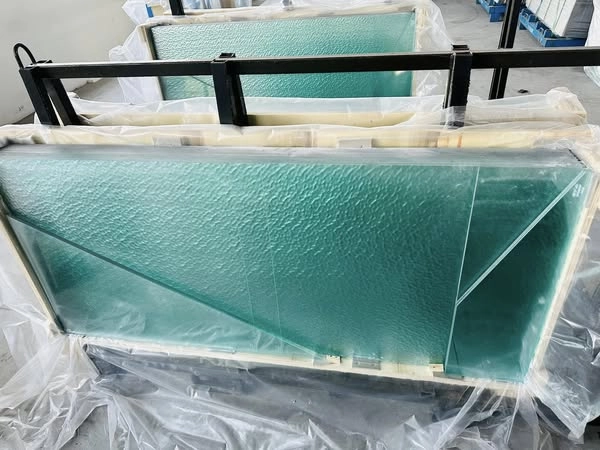
verre trempé fournit une construction forte. Il se brise en minuscules morceaux ennuyeux, pas des bords tranchants. Le verre stratifié utilise une couche moyenne pour garder les morceaux en place lors de la rupture. Cela convient bien pour les éclairages de toit ou les points de niveau de base à la recherche de protection ou de calme.
Le verre stratifié est un verre de sécurité qui maintient le verre ensemble lorsqu'il est brisé. Il est fabriqué en liant des couches avec du polyvinyle butyral (PVB) ou de l’acétate d’éthylène-vinyle (EVA). Pour les zones à pression juste, comme les panneaux latéraux ou les balustrades, les types renforcés chauffés offrent suffisamment de résistance sans frais de trempage complets.
Comment garantir la conformité aux normes internationales
Vérifiez les marques comme les normes CE (Europe), ASTM (États-Unis) ou EN avant d'acheter. Ceux-ci confirment que le produit a franchi des tests difficiles pour le soutien du poids et la résistance aux chocs.
Landson Glass fournit une variété de produits de bonne qualité pour répondre aux différentes exigences de nos clients. Les produits de Landson Glass sont certifiés par Sai Global, TUV. En travaillant en équipe avec des fournisseurs qui comprennent les règles d'expédition dans le monde entier, les projets sont facilement achevés dans divers domaines.
Considérer les options esthétiques et fonctionnelles
En plus des traits de travail, le verre architectural définit un bâtiment’ Caractère s. Sa sensation, son ombre, son éclat et son ouverture forment la façon dont les gens la voient.
Quels choix de conception affectent l’apparence ?
Les couches colorées changent les couleurs extérieures et facilitent l'éblouissement. Les films brillants apportent l'isolement de jour tout en gardant les vues intérieures nettes. Les extrémités texturées répandent la lumière bien à l'intérieur sans couper la luminosité.
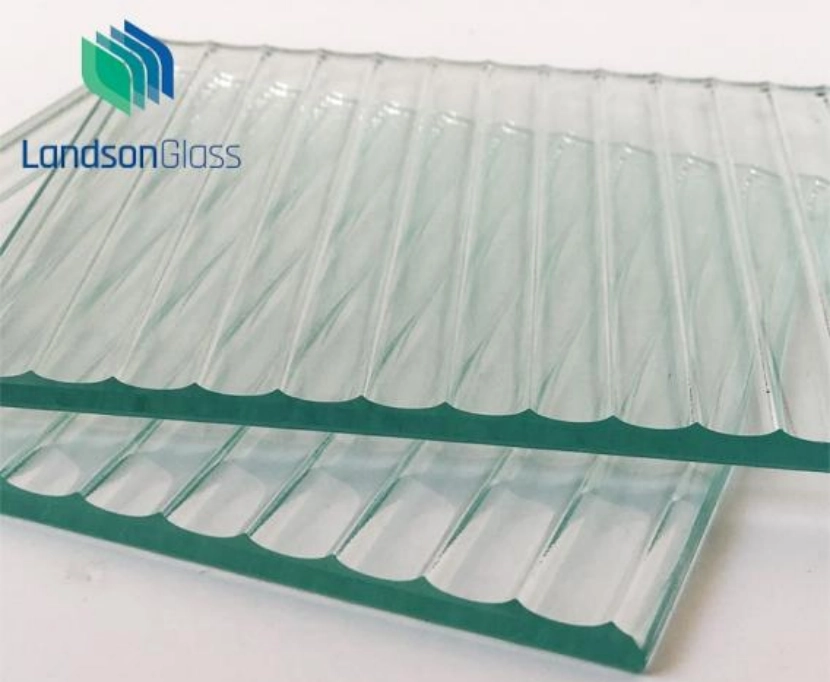
Verre à motifs est une sorte de verre plat translucide décoratif avec des motifs en relief sur une ou les deux surfaces. Ces choix apparaissent souvent dans les halls d'entrée ou les marches où l'isolement se mélange avec l'apparence.
Des formes sur mesure, comme des côtés pliés ou des formes spéciales, permettent aux designers de créer des fronts remarquables. Ceux-ci s'associent bien aux systèmes de cadres dans la pratique.
Comment concilier transparence et confidentialité
Le verre flottant permet une lumière naturelle maximale. Mais dans les endroits urbains, il pourrait révéler l'intérieur trop clairement. Les extrémités gravées brouillent la vue tout en conservant un flux lumineux de jour élevé. Les lunettes intelligentes commutables offrent un contrôle d'isolement changeant. Ils conviennent aux espaces de conférence nécessitant une adaptabilité.
Questions pratiques sur l'installation et l'entretien
Le meilleur article tombe court avec un mauvais ajustement. Le travail en équipe entre les planificateurs, les constructeurs et les fournisseurs assure les bonnes étapes du début à la fin.
Quels facteurs d'installation devraient être discutés avec les fournisseurs?
La correspondance du cadre affecte la résistance de l'étanchéité. Les mauvaises formes conduisent à des gouttes plus tard. Parlez de la lourdeur de la feuille à l'avance. Les types de collage plus épais peuvent nécessiter des cadres ou des ascenseurs plus robustes pour la mise en place.
Bonne finition latérale arrête les ruptures de tension post-montage. Ceci est particulièrement important pour les feuilles trempées dans les systèmes de murs anti-vent.
Comment maintenir les performances à long terme du verre architectural
Le lavage régulier maintient une vue claire et bloque les taches minérales de la pluie. Vérifiez les sceaux chaque année. Les liaisons en caoutchouc usées affaiblissent le blocage de chaleur au fil du temps.
Landson Glass recommande de consulter un verreur professionnel avant de nettoyer des revêtements spéciaux, ce petit détail est crucial pour prolonger la durée de vie du verre.
Choisir un fournisseur fiable de verre architectural
Votre travail avant’ Le résultat dépend beaucoup de la stabilité du fournisseur. Cela couvre non seulement le calibre de l'article, mais l'aide à la livraison au milieu des temps de construction précipités.
Que chercher dans un fabricant de verre professionnel?
Recherchez des entreprises ayant une pratique sur des emplois difficiles sur plusieurs terres. La qualité de fabrication constante dépasse le faible coût. Les usines modernes qui gèrent le durcissement, le collage, l'étanchéité thermique et l'impression ouvrent une vaste couture sous un seul site.
Nos 200 employés viennent de notre usine de Pingdu. Leur expertise de traitement de dix ans assure la précision même sur les commandes de grand volume destinées aux délais de livraison internationaux.
Pourquoi un partenariat avec Landson Glass apporte de la valeur à votre projet
Landson Glass propose des solutions de verre architectural personnalisées pour les façades et les fenêtres dans le monde entier. Notre engagement ESG reflète la conscience envers la responsabilité environnementale – le choix de tels partenaires aligne votre projet sur les pratiques de construction durable de plus en plus demandées aujourd’hui par les développeurs du monde entier.
Questions fréquentes
Q1 : Quel est le meilleur verre pour construire des façades et des fenêtres?
IGU double ou triple vitrage avec revêtement Low-E. Ils offrent le meilleur équilibre entre efficacité énergétique, contrôle solaire et confort.
Q2 : Comment choisir le verre économe en énergie pour les façades?
Recherchez une valeur U faible (≤1,0) et un SHGC approprié (0,25-0,45 dans les climats chauds). Utilisez un double ou triple verre revêtu Low-E.
Q3 : Quelle est la différence entre le verre trempé et le verre stratifié?
Le verre trempé est plus fort et se romp en petits morceaux. Le verre stratifié tient ensemble lorsqu'il est cassé pour une meilleure sécurité.
Q4 : Quelles sont les bonnes valeurs U et SHGC pour le verre architectural?
Valeur U: 1,0 ou inférieure. SHGC : 0,25-0,45 pour les climats chauds.
Q5 : Comment choisir le verre de sécurité pour les façades hautes?
Choisissez le verre trempé ou stratifié (ou les deux) qui répond aux normes CE, ASTM ou EN, en tenant compte des charges du vent et de la hauteur du bâtiment.