

When it comes to safety, durability, and aesthetics in architectural glass, picking between heat strengthened and tempered glass is a usual puzzle. The quick reply is: tempered glass is tougher and safer for areas that get hit. Heat strengthened glass gives better hold-together after breaking and less chance of sudden breaks. Which one you pick depends a lot on how the glass will work in your building plan.
Understanding Heat Strengthened and Tempered Glass
What is Heat Strengthened Glass?
Heat strengthened glass comes from heating float glass to over 600°C. Then, workers cool it at a steady, slower speed. This method boosts its strength to about twice that of regular annealed glass. It skips the fast cooling of fully tempered glass.
When it breaks, heat strengthened glass does not fall into tiny bits like tempered glass does. It splits into big, rough pieces. For that reason, it does not count as safety glass under most building rules. But people still use it where extra strength matters. They do not need the full shatter of tempered glass.
What is Tempered Glass?
Tempered glass starts with heating the glass to a high point—often over 620°C. Next, air jets cool it in a quick burst. This fast change puts the outside layers under pressure. The inside goes under pull.
The outcome is a glass that is four to five times stronger than annealed glass. If it fails, it turns into small, dull bits. Those are much less likely to hurt someone. Due to this safe trait, tempered glass gets labeled as safety glass. It is needed in spots where people might bump into it.
Key Differences Between Heat Strengthened and Tempered Glass
Manufacturing Process Comparison
The main gap between these two kinds is in how they cool down:
- Heat strengthened glass cools in a gentle way, which makes smaller pressure on the surface.
- Tempered glass cools in a fast way, which builds strong pressure on the surface. That gives it better strength.
This gap in cooling speed shapes the strength traits and safety results of the end product.
Mechanical Strength Differences
Tempered glass beats heat strengthened glass in strength by a wide margin:
| Glass Type | Relative Strength (vs. Annealed) | Safety Rating |
| Heat Strengthened | ~2x | Not classified as safety glass |
| Tempered | 4–5x | Safety glass |
Tempered glass handles bigger loads from wind or heat shifts in building fronts.
Breakage Patterns and Safety Implications
Here is where safety matters most:
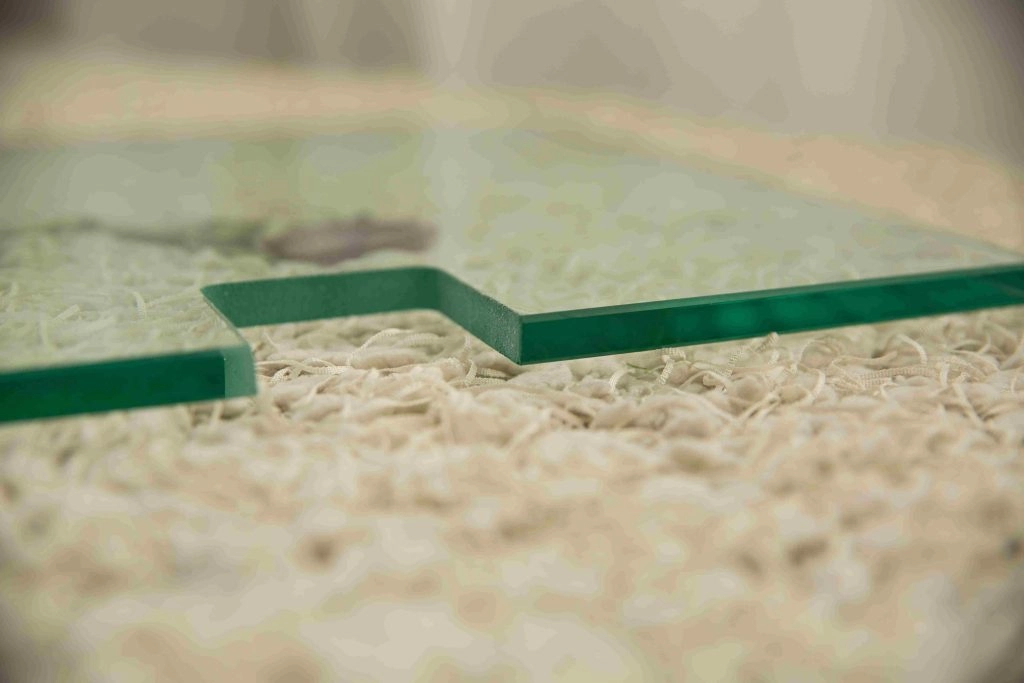
- Tempered glass splits into lots of little, rounded pieces.
- Heat strengthened glass splits into fewer, bigger chunks with pointy sides.
Both give more strength. Yet only tempered glass cuts down the chance of harm when hit.
Resistance to Thermal Stress and Spontaneous Breakage
Tempered glass stands up well to quick heat shifts—such as from shade or sun. It suits outdoor spots. But there is a catch: nickel sulfide bits can lead to sudden breaks in tempered glass.
To fix this, manufacturers often do a step called heat soaking. In heat soak, they warm the tempered glass again. This spots weak points before putting it in buildings. Heat strengthened glass has less risk of such breaks. It has milder inner pulls and less bother from those bits.
Applications in Architectural Design
Common Uses of Heat Strengthened Glass in Architecture
Heat strengthened glass gets picked often where the piece must stay whole after a break. You will see it in:
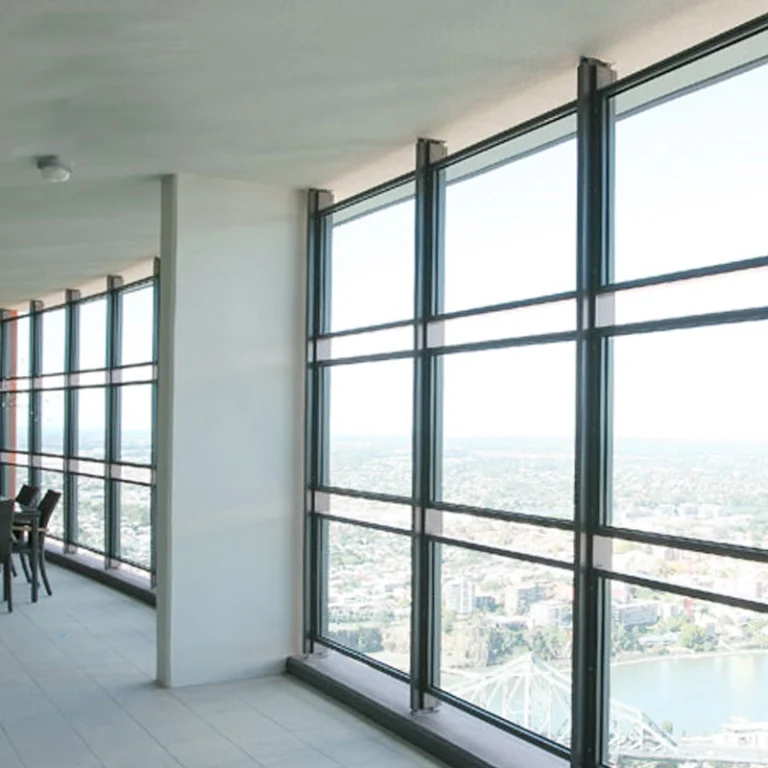
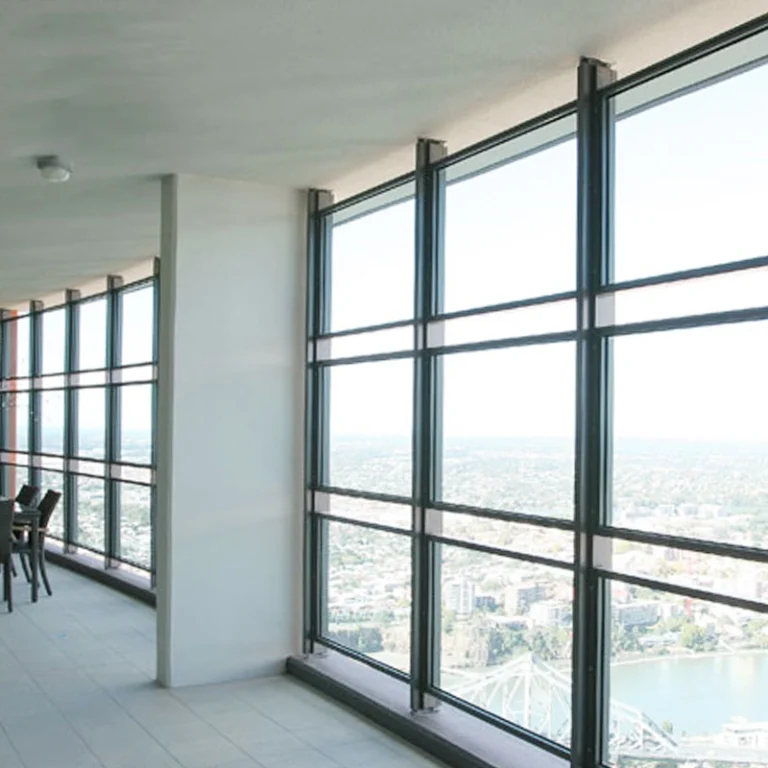
- Curtain wall systems
- Spandrel panels
- Laminated glazingassemblies
Due to how it holds after breaking, folks often pair it with another sheet of glass for more safety.
Typical Applications of Tempered Glass in Buildings
Tempered glass works best where people touch it or rules call for safe glass. It goes in spots like:
- Frameless doors
- Shower enclosures
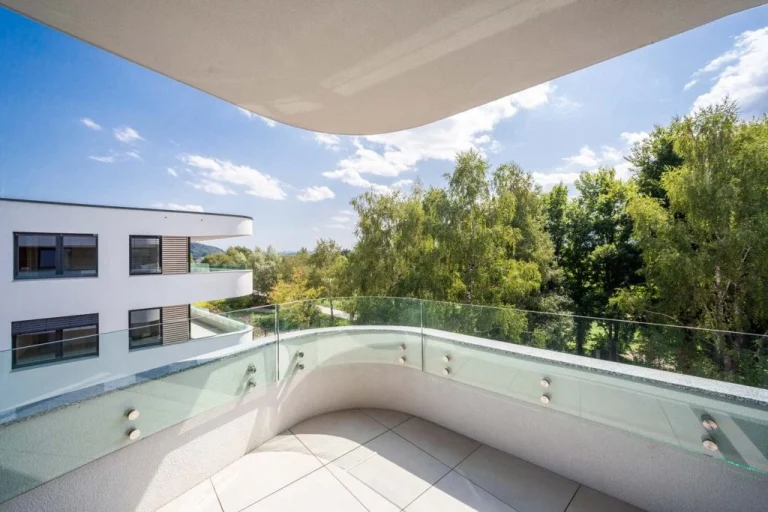
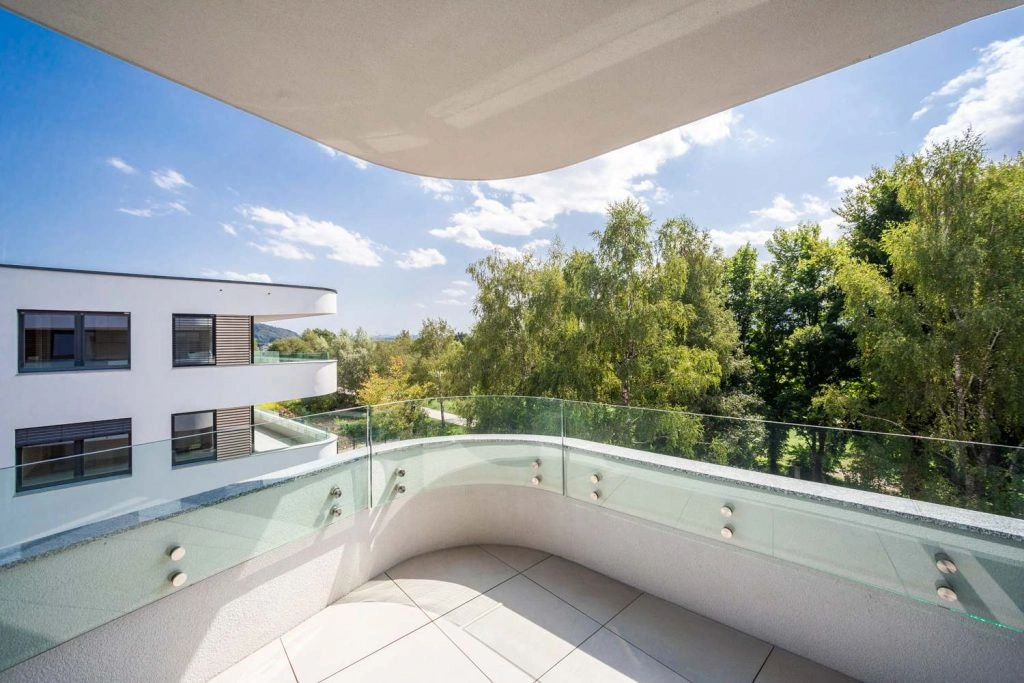
- Glass railings
- Storefronts and facades
In these places, the safe split pattern makes a big change.
As one of the skilled manufacturers of architectural glass, Landson Glass offers both kinds of strength-boosted glazing. They fit modern building jobs. Their lineup has custom tempered, laminated, insulated, and pretty glass items. These go into business and home projects.
Visual Characteristics and Quality Considerations
Surface Distortion and Roller Waves in Treated Glass
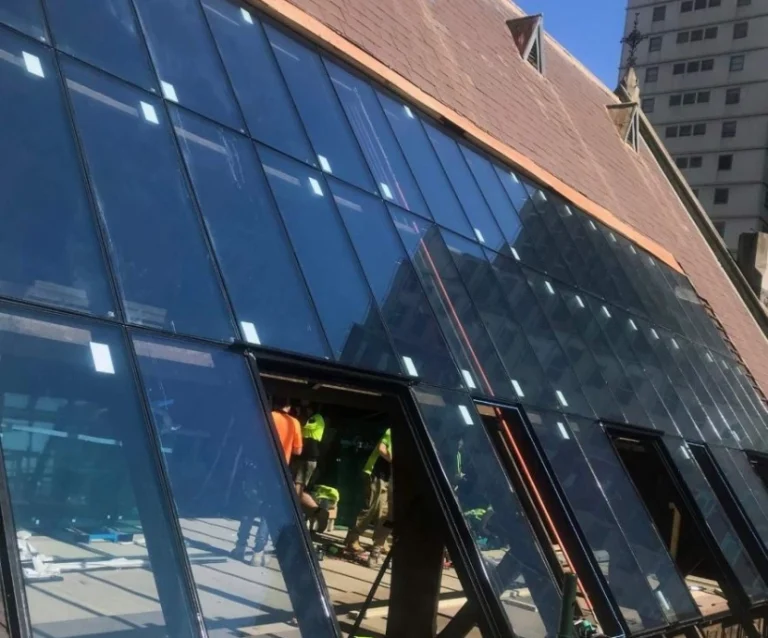
In the making, both types roll through a hot oven on wheels. This can add small waves called roller waves. They show up more in big sheets or shiny covers—like in curtain walls. This happens under side light.
These stay within okay limits by trade rules. But waves can worry folks in fancy jobs like art halls or top hotels.
Anisotropy Effects in Architectural Glass
Another sight you may notice is anisotropy—those soft rainbow marks seen through special shades or lenses. They come from uneven pulls on the surface during the strength steps.
Tempered glass shows more of this because of stronger inner pulls. It does not harm how it works. Still, some builders see it as a bother in fine fronts or show pieces.
Standards and Testing Requirements for Safety Glass
Applicable Industry Standards for Architectural Use
To match building rules and keep steady quality, both heat strengthened and tempered glasses must follow set tests:
- ASTM C1048 (U.S.)
- EN 12150 for tempered
- EN 1863 for heat strengthened
These rules check looks, size fits, break ways, and strength results.
Role of the Heat Soak Test in Preventing Spontaneous Breakage
As noted before, the heat soak test is key for tempered sheets used high up or over heads.
They reheat the tempered sheets to about 290°C for a few hours. Any nickel sulfide bits that could cause late breaks get pushed to show now. This skips high costs or mishaps after setup.
This check is vital for big building tasks—something firms like Landson Glass know well. They supply custom-cut sheets with heat soak proof for curtain walls and open halls.
FAQ
Q1: Is heat strengthened glass considered safety glass?
No, it does not meet safety glazing standards because it breaks into large shards.
Q2: What does heat soaked mean for tempered glass?
It refers to a secondary heating process that helps detect panels prone to spontaneous breakage before installation.
Q3: Can I use heat strengthened glass in balcony railings?
Not alone—it should be laminated with another lite or used where breakage won’t cause injury.
Q4: Does tempered glass always show anisotropy?
Not always visible, but more likely under polarized light or certain angles.
Q5: Which type is better for curtain wall systems?
Heat strengthened laminated units are often preferred due to their post-breakage strength retention.