


Introduction to Glass Curtain Walls
What Are Glass Curtain Walls?
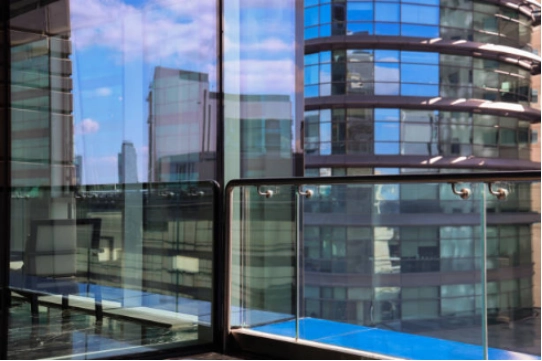
Glass curtain walls are light, non load bearing exteriors on buildings. They dangle like a curtain from the structure’s frame. These walls, mostly glass panels in metal frames, block weather but don’t carry weight. Simple, yet effective.
Key Features and Benefits
They flood interiors with sunlight. This slashes power bills. They also give buildings a sharp, modern vibe. Insulation boosts energy savings. Visually, they blur the line between indoors and outdoors. Who doesn’t love a killer view?
The Rise of Glass Curtain Walls in Norway
Historical Context of Norwegian Architecture
Norway’s buildings began with rugged wooden stave churches and log cabins, built to fight the cold. Post World War II, things changed. Modernism swept in with sleek lines and practical designs. Think Arne Korsmo’s villas or Sverre Fehn’s airy pavilions. By the 2000s, cities like Oslo and Bergen embraced glass heavy facades. It’s like Norway swapped timber for see through beauty.
Factors Driving Adoption
Oslo and other cities are cramped. Urban plans push green living. Norway’s eco rules demand low energy buildings. Harsh winters make sunlight a big deal. People crave open, bright spaces. Strict environmental laws, even with EU influence, favor efficient glass systems. Plus, shiny skylines draw tourists. No surprise glass is popping up everywhere.

Architectural Impact of Glass Curtain Walls
Enhancing Urban Aesthetics
Glass walls reshape city views. They mirror fjords and skies, making buildings glow. In Oslo’s Bjørvika, the Barcode Project shines. Its striped towers with glass fronts form a barcode pattern. They spice up the skyline. Reflections catch light, brightening gray days. But birds sometimes crash into them. Adding patterns helps.
Improving Building Functionality
Sunlight pours into rooms, lifting spirits and work output. Insulation traps heat in freezing winters. Spaces feel bigger without solid walls. Energy efficiency with the right glazing. In offices, daylight cuts glare. It’s practically magic.
Case Studies in Norway
The Oslo Opera House is a gem. Its white marble slopes meet huge glass walls, inviting folks to climb the roof. The glass shares fjord views inside. The Munch Museum in Bjørvika, wrapped in Lindner Group’s glass envelope, plays with light. Orkla City in Skøyen uses eyrise® solar shading glass for comfort. Bergen Airport’s glassy facade handles crowds with flair. Telenor Headquarters in Fornebu maximizes daylight, no desk sits farther than 9 meters from a window. These places turn function into art.
Engineering and Design Considerations
Structural Requirements
Norway’s weather is rough. Sea winds hit hard, and snow stacks up. Curtain walls must stay strong without bending. Aluminum frames tie to the building’s core. Engineers plan for rare shakes, like small quakes. Seals stop leaks in rainy climates. It’s about being light but tough.
Material Selection
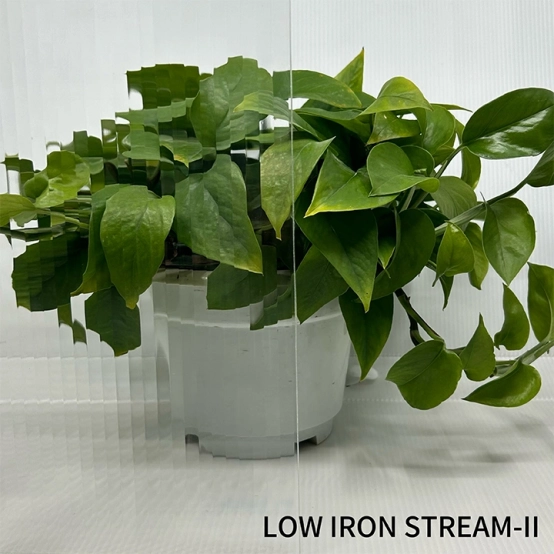
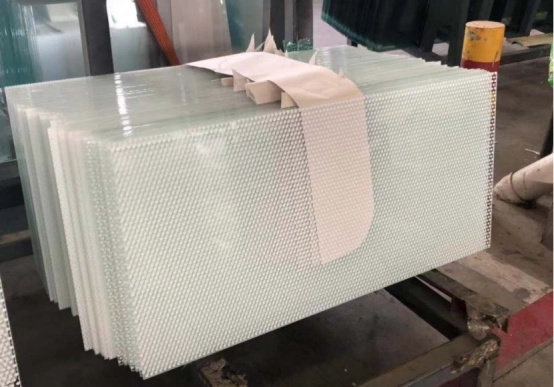
Pick smart. Laminated glass stays intact if it breaks, thanks to PVB interlayers. Landson Glass offers tinted laminated options in 9.52 to 33.04mm thicknesses. Colors? Clear, white translucent, grey, bronze, green, blue. Low E coatings reduce heat loss. Acid etched glass adds privacy. Ceramic fritted tempered glass brings patterns, screen printed enamels fused during toughening. It handles 250°C swings, ideal for harsh weather. Sizes up to 2700x4580mm fit big panels. Durability’s key; scratches or fading ruin the vibe.
Sustainability and Energy Efficiency
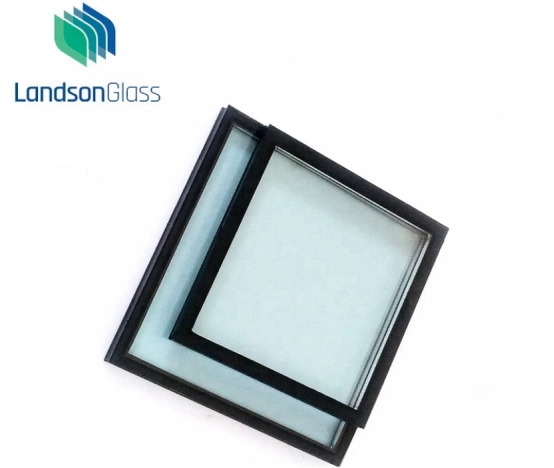
Green rules in Norway. Insulated glass units (IGUs) with argon between panes cut heat loss. Double or triple glazing meets tough codes. Low-E glass bounces back infrared, keeping warmth in. BREEAM certifications push for this. Painted or fritted glass adds style without wasting energy. It’s about saving money long term, not just looking cool.
Challenges and Future Trends

Common Challenges in Curtain Wall Construction
Costs sting. Custom panels rack up bills. Installing in windy spots? Tough, needs pros. Cleaning high glass takes effort, drones help now. Safety wise, tempered glass breaks into tiny bits, but still. Thermal bridging might cause damp spots. Shipping big pieces to remote areas? A pain. Seals wear out over time, too.
Emerging Trends in Glass Architecture
Smart glass is hot. It tints when you want, cutting glare. Eco friendly materials, like recycled glass, are gaining ground. Modular designs make building faster. Picture facades with biometric tech. In Norway, blending glass with wood keeps that Nordic feel. The future? Walls that adapt to weather. Things are moving quick.
Conclusion
Summary of Benefits
Glass curtain walls brighten Norway’s cities. They save power, look stunning, and connect buildings to nature. From sunny offices to iconic landmarks, they’re changing urban life.
Landson Glass as a Key Partner
Landson Glass leads with products like ceramic fritted tempered glass and tinted laminated options. Their high quality, certified materials meet global standards. Architects trust them for tough, flexible solutions in modern designs. Pretty reliable
FAQ
Q1: What makes glass curtain walls energy efficient?
Low E coatings and insulated units cut heat loss, perfect for Norway’s cold.
Q2: Are glass curtain walls safe in high winds?
Yup, with strong frames and tempered glass that shatters safely.
Q3: How do they handle Norway’s winter snow?
Designs plan for snow loads; sloped or heated parts stop buildup.
Q4: What’s the lifespan of a glass curtain wall?
Usually 25-50 years, depending on care and materials.
Q5: Can they be customized for color?
Totally, with tints, frits, or interlayers in shades from Landson Glass.