
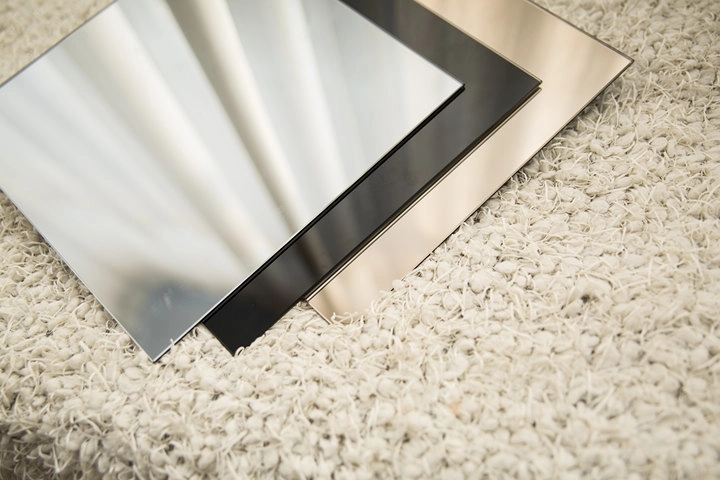
When picking the right mirror glass for buildings or home designs, people often choose between silver, aluminum, or copper-free kinds. Each one has good points and bad points. The best pick depends on the spot and the way you use the mirror. For places with lots of damp air, go for copper-free silver mirrors.
If money is tight, aluminum might work for pretty decorations. And for top-notch clear looks in stylish areas, low iron glass with silver or copper-free layers beats the others.
Overview of Mirror Glass Types
Characteristics of Aluminum Mirror Glass
Aluminum mirror glass gets made by putting a thin coat of aluminum on float glass in a vacuum. This way creates a mirror with okay shine and simple protection against rust. Because the making process is easy and materials cost less, aluminum mirrors get used in cheap projects or fancy items like furniture parts, wall hangings, or quick indoor setups. But they don’t work well in wet spots. Their shiny layer breaks down faster when it meets water.
Features of Silver Mirror Glass
Silver mirror glass gives really good picture quality. It gets produced by adding a layer of metal silver to float glass. Then protective coats come next, usually copper and paint, to guard the shiny side. This kind offers strong shine, great color truth, and clear images. Yet the copper part can lead to rust over time if the seals get damaged. It’s a solid pick for indoor spots where looks count a lot.
Properties of Copper-Free Silver Mirror Glass
The copper-free silver mirror is a better version of the usual silver mirror. It skips the copper layer and uses special mixes to fight off rust better. This leads to stronger lasting power, nicer work in different settings, and tougher stand against wet damage. Such mirrors fit well in bathrooms, spas, locker rooms, and beach setups, anywhere with high damp levels. They also match up with eco-friendly building plans because of less heavy metal stuff.
Technical Comparison of Coating Materials
Role of Metal Coatings in Mirror Performance
The kind of metal coat on a mirror sets up how well it works. Aluminum coats are simple to put on and cheap. But they give lower shine. Silver coats bring higher light bounce and more real picture show. So they suit tough visual jobs better. Copper-free coats use silver but drop the copper layer. This cuts risks from rust while keeping strong shine.
Corrosion Resistance Across Mirror Types
Rust is a big worry for mirrors over time:
- Aluminum mirrors often rust fast in damp places.
- Silver mirrors have guard layers but still might tarnish if those get hurt.
- Copper-free silver mirrors show much better rust fight because no copper, which often fails in old-style silver mirrors.
Reflectivity and Optical Clarity Differences
When it comes to light bounce:
| Mirror Type | Reflectivity | Clarity | Corrosion Resistance |
| Aluminum | Moderate | Fair | Low |
| Silver (with copper) | High | High | Moderate |
| Copper-Free Silver | High | Very High | High |
Plus, using a low iron base boosts shine by cutting the green shade in normal float glass. This brings cleaner color show and sharper sight in all mirror kinds.
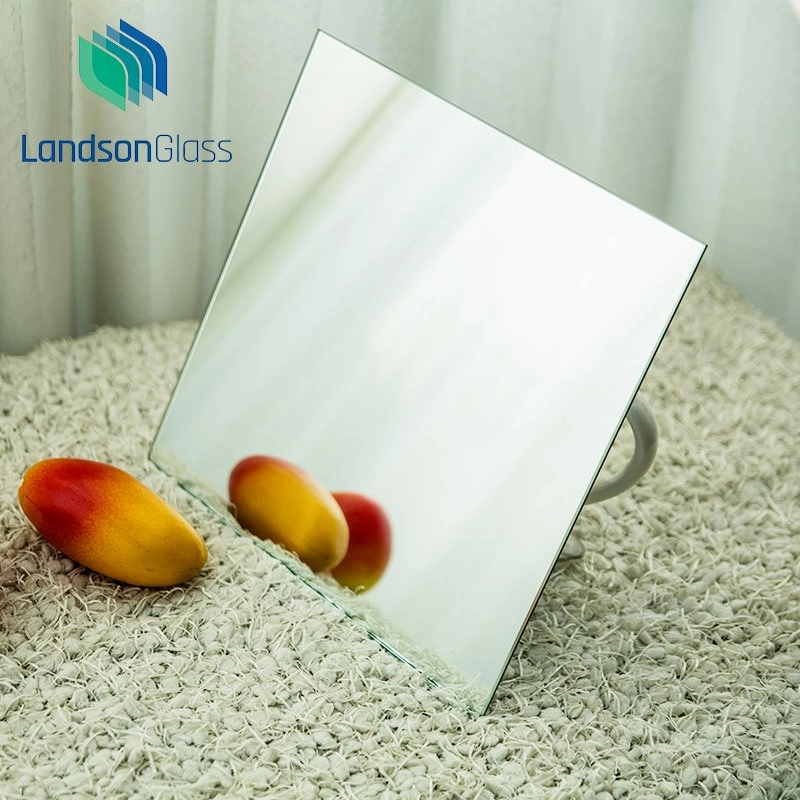
Factors to Consider When Choosing Mirror Glass for Manufacturing
Application Requirements in Residential and Commercial Projects
Each mirror kind matches certain job needs:
- Aluminum mirrors save money for pretty features, furniture bits, or short-life projects.
- Silver mirrors get picked in fancy insides like hotel rooms or shop changing areas where picture quality is key.
- Copper-free silver mirrors should go in high-damp zones like bathrooms, spas, gyms, or pool spots where lasting long matters.
Landson Glass, as a professional architectural glass supplier and processor, offers tailored solutions for both residential and commercial clients across sectors—from hospitality to healthcare.
Environmental Impact and Sustainability Considerations
Copper-free mirrors stand as a smarter choice for the planet. By dropping the copper layer, these mirrors cut chances for heavy metal mess during making and throwing away. This helps them fit with LEED rules and other green building ways.
For folks designing earth-friendly jobs, picking copper free silver mirror products aids in hitting both work and rule goals.
Cost Efficiency vs. Performance Trade-Offs
The swap between cash and how well it works always plays a part:
- Aluminum-backed mirrors cost little but last less.
- Standard silver mirrors mix price with decent work for most inside places.
- Copper-free silver choices need more money up front. But they save over time with less fix-ups and swaps.
Visual Quality Enhancements Through Substrate Selection
Impact of Low Iron Glass on Mirror Clarity and Color Accuracy
Normal float glass has a green color from its iron. Low iron glass cuts this tint. It makes mirrors brighter and with truer colors. This counts a lot in clothing shops or makeup rooms where right shades matter.
When mixed with silver or copper-free coats, low iron bases deliver top reflection quality.
Importance of Paint Backing Layers such as Gray Painted Options
Painted back layers do two jobs: guard and look good. A gray painted back boosts contrast in reflections by stopping light through the glass. It stresses sharp images. It also protects the shiny coat from scrapes or chemical hits during setup or cleaning.
For jobs needing fancy finishes, Landson Glass gives custom gray painted mirror options that fit many design looks.
Durability Testing Standards for Mirror Glass Products
Common Industry Tests for Corrosion Resistance
To check mirror work over time, field tests include:
- Salt spray tests that copy years of touch with damp or salty air.
- Acid fight tests that see how well guard layers hold up to chemical touch.
These tests help guess how each mirror kind will age in real spots.
Longevity Expectations Based on Coating Type
Lasting power changes a lot:
- Aluminum-backed mirrors might show age signs in months in wet spots.
- Silver mirrors hold up longer but rely a bunch on back guard quality.
- Copper-free kinds beat both in tough spots. They keep clear even after long steam or water touch.
Recommendations Based on Use Case Scenarios
Best Options for High-Humidity Environments like Bathrooms or Spas
Pick copper free silver mirror on a low iron base for these areas. It’s your top shield against damage from damp while keeping colors true in reflections.
Suitable Choices for Decorative or Temporary Installations
Aluminum mirrors give a handy fix where cash beats lasting long. They’re great for temp shops or event setups.
Preferred Solutions for Premium Interior Design Projects
If you’re building luxury insides like shops, top homes, or boss offices, choose silver or copper-free mirrors with low iron glass back. Their clear and bright feel lifts any space they’re in.
Landson Glass helps such jobs with custom cutting, polishing, tempering, and lamination services. This makes it simple to add mirror glass into new buildings.
FAQs
Q1: What makes copper-free silver mirrors better for bathrooms?
They fight rust longer because they skip the copper layer that usually rusts in damp heavy spots.
Q2: Why does low iron glass matter in mirror production?
It cuts the green tint in standard float glass, boosting shine and color truth.
Q3: Are aluminum mirrors suitable for long-term use?
Not the best. They’re good in dry spots or short setups because of lower lasting power.
Q5: Does Landson Glass offer customized mirror solutions?
Yes, Landson Glass provides customized architectural glass processing including various mirror types tailored to project requirements.