
Choosing the right commercial glass canopy can really change how a building appears and works. The top design mixes toughness, security, and visual appeal while matching the brand’s building style. If you are creating a smooth storefront or a big company doorway, you need to grasp materials and build details. This knowledge helps you pick a wise choice that endures.
What a Commercial Glass Canopy Is
A commercial glass canopy serves as an overhead cover. It offers protection yet keeps things open and stylish. People often place it over doorways, paths, or outside sitting spots. This shields guests from showers or sun rays without cutting off daylight. Glass paired with metal braces forms a lightweight but sturdy element. It boosts the building’s charm.
For companies, these setups go beyond usefulness. They act as eye-catching features. A smart glazed canopy can outline a doorway nicely. It gives visitors a quick sense of expertise and excellence right away.
Benefits of Installing a Glass Canopy for Businesses
The perks reach well past looks:
- Weather protection:A canopy covers door areas and outside spaces from downpours, flakes, or junk.
- Modern aesthetics:Its neat outlines and shiny face improve how people see the brand.
- Energy efficiency:It filters sun rays, so it aids in managing warmth near doorways.
- Added property value:Fine setups fit various building styles. They add to lasting worth of the site.
Key Types of Glass Used in Commercial Canopies
Picking the proper glass kind matters a lot. You balance security, output, and style options.
Tempered Glass Canopies
Workers make tempered glass via careful heating. This process boosts its power many times beyond regular annealed glass. If it breaks, it turns into tiny dull bits. These do not create sharp pieces, so it lowers harm chances. You find it perfect for busy spots like malls or hotel doors. There, lasting strength counts most.
Laminated Glass Canopies
Laminated glass includes two or more sheets joined by a middle layer such as PVB or EVA. On impact, the middle part keeps the bits in place. It stops them from scattering. This trait suits overhead uses where safety tops the list. These panels block UV rays too. Plus, they cut street noise. That’s a plus for city business locations.
| Type | Composition | Safety Level | Additional Benefits |
| Tempered | Single heat-treated pane | High | Strong impact resistance |
| Laminated | Two+ panes with PVB/EVA layer | Very high | UV & sound insulation |

Insulated or Double Glazed Canopies
Insulated canopies feature two sheets with air or harmless gas between them. This setup betters heat control. It helps steady the air temperature under the big glass cover. That’s handy in places with big weather shifts over seasons. It also stops moisture from forming on the inside face.
Frosted or Tinted Glass Options
Frosted surfaces spread light smoothly. They keep privacy too. This works well for guest spots or work areas that seek openness but not total see-through. Tinted choices cut brightness and sun warmth. They make shaded areas below the canopy comfy on sunny days.
Structural Considerations When Choosing a Large Glass Canopy
Build factors matter as much as style when you plan any glazed canopy setup.
Load-Bearing Capacity and Support Systems
Each setup must handle outside forces. Think wind push, snow piles, and its own weight spread. Based on the goal, braces might use stainless steel bars, pull cables, or hidden holders tied to walls. Frameless types rely on spot attachments. These keep a light look without losing firmness.
Size and Thickness Requirements
Larger canopy sizes call for thicker glass or joined layers. This keeps the whole thing solid. Following area rules makes sure safety for people holds up. It also ensures reliability over time.
Edge Treatments and Finishing Options
Edge work often escapes notice. Yet it holds real use. Smooth edges give a polished feel. They also reduce weak spots that might cause breaks later. Tailored edge styles can match wall materials. Options like brushed aluminum borders or rock covers create smooth sight lines.
Design Options for Glazed Canopies in Commercial Buildings
Your building vision guides the choice. Each pick brings its own look results.
Frameless Glass Canopy Designs
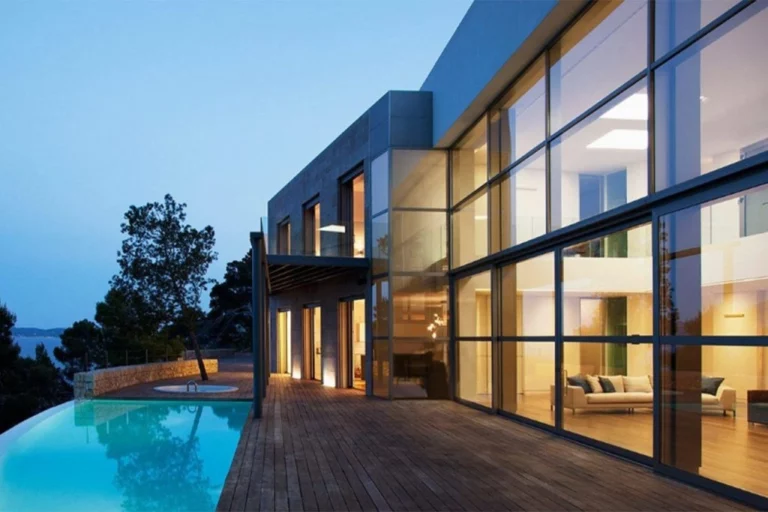
Many pick frameless styles in today’s builds. They seem almost floating. Spot fixes replace heavy borders. This lets clear views flow without breaks. It adds a gentle note that spotlights nearby items like rock walls or wood entries.
Framed Glass Canopy Systems
For wider reaches that need extra strength, framed setups step in. Aluminum or stainless-steel borders offer solid backing. They let you add water drains or light setups. These matter for real use at night or in wet weather.
Curved and Custom-Shaped Glass Canopies
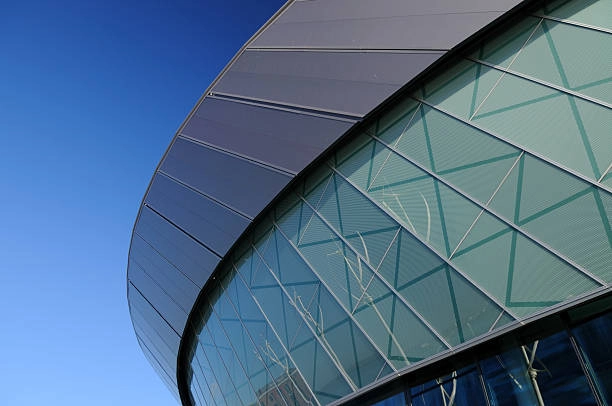
Bent glass brings flow to stiff builds. Shaped panels can ease sharp lines or spotlight door highlights. Tailored forms let builders show brand traits via shape. All while keeping the shield role. It’s a mix of fresh ideas and exact build skills.
Factors to Consider Before Installation
Design choices lead to rules, weather, and care issues. These shape the project’s win.
Safety Standards and Building Regulations
You must follow known rules like EN 12150 for tempered safety glass or ASTM C1048 for heated items. Check this before making starts. Confirming weight-hold proofs makes sure parts meet safety needs in daily use.
Environmental Conditions and Location Factors
Where you build shapes material picks more than you might think:
- Sea-side jobs need rust-proof parts from salt air.
- Highland areas call for sturdier sheets built for snow weight.
- City spots gain from dirt-resistant layers that ease wash tasks.
Right layers stretch life by fighting wear like sun fade or hard water marks from rain flow.
Maintenance Requirements and Longevity
Top glass still requires regular attention. Self-clean layers cut water spots. Normal checks spot seal issues soon. Good care keeps sight sharp. It’s little work versus big fix bills years on.
Why Partnering with Landson Glass
Landson Glass acts as a skilled architectural glass supplier. We provide tempered, laminated, insulated, and decorative glass items. Custom processing services fit modern building design and engineering tasks. Our know-how guarantees every large glass canopy hits style goals and tough build needs. Teaming with a skilled group eases links among builders, makers, and fitters. This proves key for tricky shapes or site-unique hurdles in business growths.
FAQs
Q1: What type of glass is safest for overhead canopies?
Laminated glass is generally considered safest because its interlayer holds fragments together if broken.
Q2: How thick should commercial canopy glass be?
Thickness depends on span size and load requirements but typically ranges between 10mm–25mm for tempered panels or multi-layer laminates for larger spans.
Q3: Are tinted canopies effective against heat?
Yes, tinted glazing reduces solar gain significantly while maintaining visibility underneath the structure.
Q4: How long does a glass canopy last?
With proper maintenance—including cleaning coatings and checking fittings—a quality installation can last decades without major issues.
Q5: Do frameless designs cost more than framed ones?
They often do due to specialized fittings and engineering precision required but deliver unmatched visual elegance in return.