De rol van zeefdruk op glas in modern kantoorontwerp.
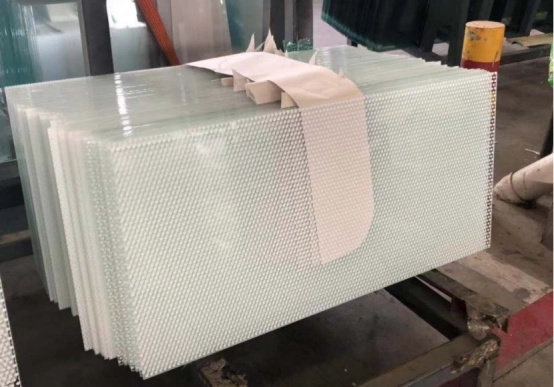
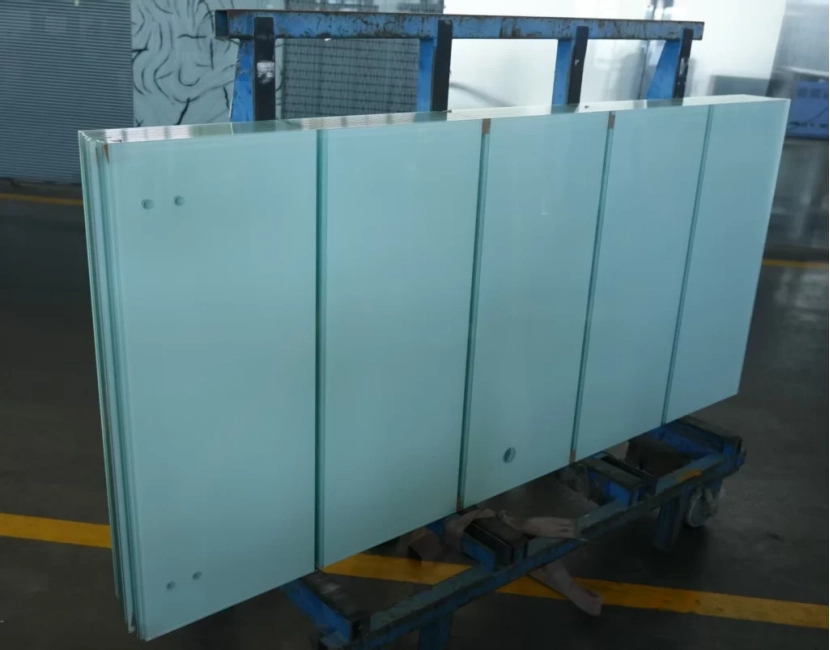
Moderne kantoorinterieurs evolueren van de traditionele kantoorkubus naar een open en tegelijkertijd functionele omgeving. Zeefdruk Het maakt het mogelijk om keramische frit-emaille aan te brengen om duurzame, ondoorzichtige of doorschijnende patronen te creëren. Het gaat hierbij niet alleen om esthetiek; het gaat erom de lichtinval en de doorstroming in een ruimte te beïnvloeden. Dit proces transformeert standaard gehard glas in een multifunctioneel designelement.
Bij veel projecten die we hier bij Landson Glass uitvoeren, zien we hoe een simpele stippenmatrix of een aangepaste kleurovergang de sfeer van een vergaderruimte volledig kan veranderen. Architecten gebruiken deze scheidingswanden om de behoefte aan transparantie in een open kantoorruimte in evenwicht te brengen met de noodzakelijke akoestische en visuele afscheidingen. Het is een manier om de "ruimtelijkheid" van een plattegrond te behouden zonder dat elk gesprek hoorbaar is voor het hele kantoor.
Waarom keramische frittechnologie beter presteert dan oppervlaktefilms
Waarom zou je niet gewoon een stuk glas kopen en daar een vinylsticker op plakken? Het antwoord zit hem in de natuurkunde van de hechting.
Permanente fusie versus tijdelijke adhesie
Oppervlaktefolies zijn in feite stickers. Ze zien er zes maanden prima uit, maar daarna beginnen de randen te krullen of krassen er ringen op het oppervlak. In tegenstelling tot vinylstickers of -folies wordt keramische frit tijdens het hardingsproces bij hoge temperaturen in het glasoppervlak versmolten. Het emaille wordt als het ware onderdeel van het glas zelf. De resulterende hechting is bestand tegen krassen, afbladderen en UV-straling, waardoor de esthetische integriteit op lange termijn gewaarborgd is. Als je het er met een mesje probeert af te schrapen, is de kans groter dat je het mesje breekt dan dat je de inkt verwijdert.
Thermische prestaties en duurzaamheid
Ook de milieubelasting speelt nog een rol. Gezeefdrukt gehard glas Het is bestand tegen temperatuurverschillen tot wel 250 °C. Dit is essentieel in kantoren met grote glazen gevels, waar de warmte van de zon aanzienlijke thermische spanning veroorzaakt. De anorganische pigmenten behouden hun kleurechtheid, zelfs in ruimtes die worden blootgesteld aan direct zonlicht of agressieve reinigingsmiddelen. U zult geen verkleuring of vergeling zien, zoals wel het geval is bij organische films na een periode van vijf jaar.
Hoe profiteren kantoorwanden van zeefdruk?
De praktische toepassing van zeefdrukken op gehard glas komt meestal neer op het oplossen van het "aquariumprobleem"—waarbij werknemers zich te veel bekeken voelen.
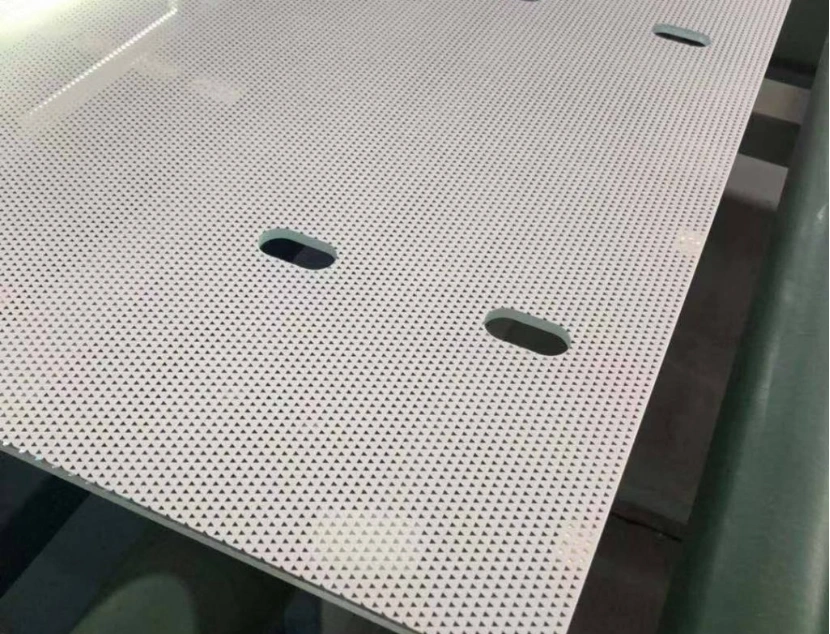
De juiste balans vinden tussen privacy en licht.
De schoonheid van bedrukt gehard glas Het voordeel is de controle die het biedt over "zonering". Aangepaste patronen zoals verlopen, stippen of strepen maken "zonering" mogelijk zonder het natuurlijke licht te blokkeren. Je kunt bijvoorbeeld een effen strook wit geëmailleerd glas op ooghoogte aanbrengen voor privacy, terwijl de boven- en onderkant van de scheidingswand vrij blijven. Ontwerpers kunnen de mate van transparantie specificeren om gevoelige gebieden af te schermen en tegelijkertijd een gevoel van ruimtelijke continuïteit te behouden. Het creëert een "zachte" grens die veel minder opdringerig aanvoelt dan een gipsplaatwand of een massieve deur.
Integratie van branding en huisstijl
Het is ook een onderschat brandinginstrument. De mogelijkheid om RAL-kleuren te evenaren, maakt een naadloze integratie van de huisstijl in het interieur van het gebouw mogelijk. We hebben projecten gedaan waarbij het bedrijfslogo subtiel in het glas is verwerkt met behulp van een wit glas met een dekking van 10%. Geometrische patronen of aangepaste motieven kunnen worden gebruikt om de bedrijfscultuur en professionele sfeer te weerspiegelen. Het geeft het kantoor een persoonlijke uitstraling in plaats van een gehuurde ruimte.
Technische specificaties voor de inkoop van architectonische materialen
Bij het specificeren van deze materialen zijn de details in de keuze van de ondergrond bepalend voor het verschil tussen een professionele en een middelmatige afwerking.
Selectie van glazen substraten
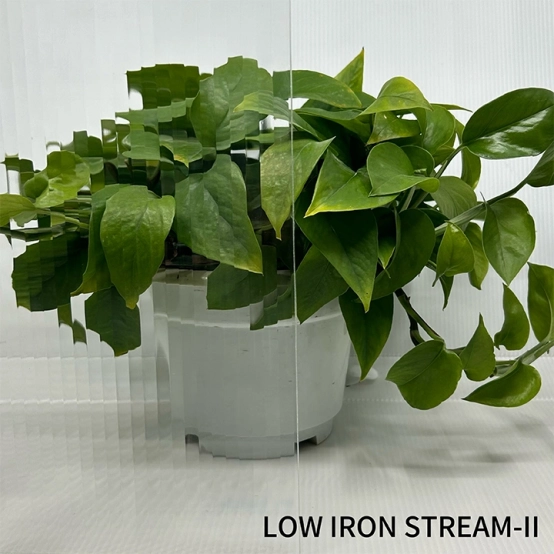
De eerste belangrijke beslissing is of je moet kiezen tussen standaard floatglas en glas met een laag ijzergehalte om kleurnauwkeurigheid en helderheid te garanderen. Standaardglas heeft van nature een groene tint vanwege het ijzergehalte. Als je een puur wit patroon op standaardglas print, zal het mintgroen lijken. Glas met een laag ijzergehalte wordt aanbevolen voor lichtgekleurde of witte frit om te voorkomen dat de natuurlijke groenige tint van standaardglas de kleur beïnvloedt. Landson GlasVoor hoogwaardig decoratief werk staan we doorgaans op een laag ijzergehalte om ervoor te zorgen dat de klant precies de kleur krijgt die hij of zij op de RAL-kleurenkaart heeft gezien.
Veiligheids- en verwerkingsnormen
Veiligheid is van het grootste belang in commerciële ruimtes. Alle bedrukte scheidingswanden ondergaan een warmtebehandeling om gehard of hittebestendig veiligheidsglas te worden. Dit gebeurt nadat de inkt is aangebracht. Naleving van internationale veiligheidsnormen garandeert dat het glas bij beschadiging in kleine, stompe fragmenten breekt. U profiteert van de decoratieve voordelen zonder in te leveren op de structurele integriteit die vereist is volgens de bouwvoorschriften.
Belangrijke aandachtspunten bij het specificeren van DecoGlass voor projecten
Vanuit productieoogpunt zijn er "onzichtbare" factoren die een project kunnen verpesten als ze genegeerd worden. Het onderscheiden van de "tinzijde" van de "luchtzijde" voor optimale hechting van de print en visuele consistentie is cruciaal. Printen op de verkeerde zijde kan leiden tot kleine variaties in de lichtreflectie op het emaille. Het evalueren van de impact van de patroondichtheid op zowel de VLT (zichtbare lichttransmissie) als de algehele schaduwcoëfficiënt van de scheidingswand is ook essentieel voor de HVAC-planning. Samenwerking met fabrikanten tijdens de ontwerpfase om ervoor te zorgen dat de kleuren op maat voldoen aan de specifieke eisen van de projectlocatie is de enige manier om kostbare herdrukken te voorkomen.
Onderhoud en waarde op lange termijn in commerciële omgevingen
In een drukbezochte kantooromgeving worden dingen aangeraakt, tegenaan geleund en er wordt op gemorst. Het niet-poreuze oppervlak van keramisch geëmailleerd glas voorkomt de ophoping van bacteriën en vereenvoudigt de reinigingsprotocollen. U kunt er industriële reinigingsmiddelen op gebruiken zonder dat het patroon vervaagt. Drukbezochte kantooromgevingen profiteren van de krasbestendigheid van het geëmailleerde glas, waardoor de levenscycluskosten lager zijn dan bij alternatieve decoratieve materialen. Het is een investering die zichzelf terugbetaalt doordat vervanging niet om de paar jaar nodig is.
Veelgestelde vragen
V: Kan ik een kleurenfoto afdrukken met behulp van zeefdruk?
A: Zeefdruk is het meest geschikt voor effen kleuren en patronen. Voor complexe foto's is digitaal glasprinten meestal een betere optie, hoewel zeefdruk kosteneffectiever is voor grootschalige geometrische patronen.
V: Is gezeefdrukt glas duurder dan matglas?
A: Dat hangt af van het volume. Voor één ruit is zandstralen (mat maken) misschien goedkoper, maar voor een hele kantoorverdieping is zeefdrukken op gehard glas zeer efficiënt en biedt het een veel betere weerstand tegen vingerafdrukken en vetvlekken.
V: Kan er aan beide zijden bedrukt worden?
A: Doorgaans printen we op één oppervlak (meestal oppervlak nummer 2 in een scheidingswand). Printen op beide zijden kan een 3D-effect creëren, maar vereist een zeer nauwkeurige uitlijning en verhoogt de kosten aanzienlijk.