

Double glazing problems are easier to solve when you first identify where the moisture is located. Condensation on the room side or outdoor side can be a normal response to temperature and humidity, while haze trapped between the panes of an insulated glass unit (IGU) usually points to compromised edge seal performance.
Do not order replacement glass from a photograph alone. Confirm the moisture location, check the frame and drainage, record the existing build up, and compare the evidence with the original specification.
What Does Internal IGU Condensation Mean?
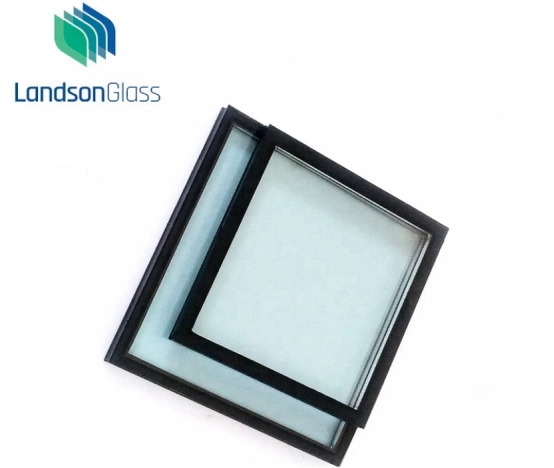
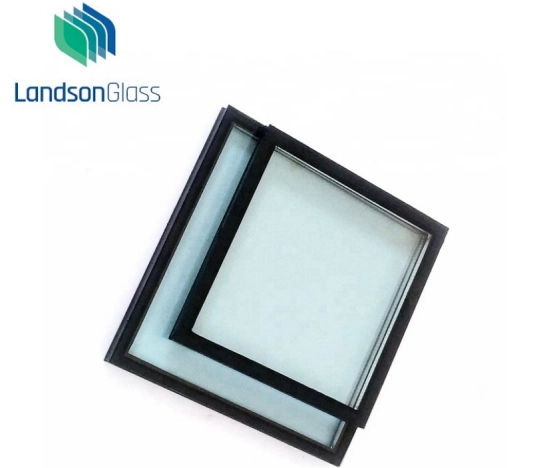
An IGU has two or more panes separated by a spacer and sealed around the perimeter. The cavity should remain dry and may contain an insulating gas. If moisture appears inside it, the edge seal is no longer controlling water vapour as designed, or the unit has been damaged. Saturated spacer desiccant is why wiping the glass cannot remove the haze.
Room side condensation forms when humid indoor air meets a cold inner pane. Outdoor condensation can occur when the exterior pane is cooler than damp air, particularly on clear nights. These surface effects may be seasonal and do not automatically mean the IGU has failed.
You can compare the intended components and performance role of unidades de vidro isoladas before reviewing a suspected failure.
Why Do Insulated Glass Units Fog, Condense or Lose Their Seal?
The visible symptom is usually the end of a chain of events. Common mechanisms include:
- Edge seal deterioration: Sealants age under ultraviolet exposure, heat, cold and repeated expansion and contraction. A small pathway can admit vapour long before liquid water is visible.
- Moisture ingress and desiccant saturation: When vapour enters faster than the spacer desiccant can adsorb it, the cavity becomes hazy and repeated wetting can leave deposits.
- Gas loss: If the original unit used argon or another gas fill, a leak reduces specified performance. Gas loss may occur without visible fogging, so assess it against the original make up rather than guessing.
- Thermal and mechanical stress: Temperature swings, building movement, oversized glass, poor setting or impact can load the edge seal. A unit can look intact while its perimeter is overstressed.
- Frame and drainage conditions: Blocked drainage, standing water, incompatible sealants or frame movement can expose the IGU edge to damaging conditions. A replacement will repeat the problem if the frame is unchanged.
An IGU problem is not the same as a cracked pane, failed frame gasket or water leaking around the opening. The remedy depends on which boundary is allowing moisture through. Use Landson’s IGU structure and seal design guidance when checking the spacer and cavity specification.
How Can You Tell Surface Condensation from IGU Failure?
Use the location of the moisture as the first field test. Clean both accessible surfaces, observe the unit in changing weather, and record whether the haze remains trapped between the panes.
| Moisture location | Typical indication | What to check next |
| Room side surface | Indoor humidity, low room side surface temperature, limited air movement or a thermal bridge | Ventilation, heating, blinds, room humidity and frame thermal condition |
| Outdoor side surface | A cool exterior pane meeting humid outdoor air; often more visible at night or in the morning | Weather, shading, orientation and whether the moisture clears as conditions change |
| Between the panes | Edge seal or cavity moisture problem; persistent fogging is strong evidence of IGU failure | Spacer edge, seal continuity, glass make up, frame drainage and warranty records |
Surface condensation can be inconvenient without being a defect. Internal fogging that remains after accessible surfaces are dry indicates that the sealed cavity is no longer behaving as specified. A site inspection may still be needed where reflections or laminated layers obscure the moisture boundary.
What Should You Inspect Before Replacing a Failed IGU?
Use this sequence before requesting a replacement sealed unit:
- Photograph the symptom and edges. Capture both sides, the spacer, corners, seal line and any deposits or impact marks.
- Measure the opening and visible glass. Record width, height, unit thickness and rebate depth. Visible glass is not a manufacturing size.
- Record the existing build up. Note pane thickness, laminated or tempered layers, coating position, spacer, gas fill requirement and markings.
- Inspect frame drainage and support. Check weep holes, setting blocks, packers, beads and standing water. Confirm compatible supports without edge contact.
- Review installation date and documents. Keep the order, batch information, photographs and warranty paperwork. IGU warranty terms may require installation and maintenance evidence.
- Separate glass failure from frame failure. Perimeter water or a failed gasket may need frame repair first.
- Check the replacement objective. Decide between like for like compatibility, lower U-value, solar control, acoustic performance or safety. A changed layer can alter weight, thickness, sightlines and compliance.
For example, a fogged unit in a sound frame may be replaceable without changing the opening. Blocked drainage or frame distortion calls for system repair plus a new unit, not simply thicker glass.
How Can Buyers Reduce Double Glazing Seal Problems?
Prevention starts with a complete specification. Confirm pane make up, spacer, sealant compatibility, cavity width, coating position and gas fill requirement. Ask how units should be stored, lifted, supported and edge protected. Keep drainage paths open and prevent packers or fasteners from loading the seal.
After handover, use the approved cleaning method and keep aggressive solvents away from seals. Record inspections in marine, high solar or high temperature change conditions. Care can protect an intact seal, but cannot restore a wet cavity. Use the IGU maintenance guidance supplied with the project.
FAQ
These questions cover practical decisions that often follow the initial moisture location check.
Can Moisture Between IGU Panes Be Removed Without Replacement?
Drilling, venting or drying is not a durable restoration of sealed unit performance. Confirm the failure and review warranty options, but replacement is normally evaluated when moisture is inside the cavity.
Is Exterior Condensation on Double Glazing a Defect?
Not necessarily. Outdoor droplets can occur when a pane is colder than humid air and may clear as weather changes. Persistent water or blocked drainage warrants a frame review.
Does Argon Loss Always Mean the IGU Has Failed?
Gas loss is a seal integrity concern but may not be visible. Compare the specified gas requirement with the original order, and consider fogging, edge condition and test evidence together.
Can a Failed IGU Be Reused in Another Frame?
Only when dimensions, thickness, make up, edge condition, orientation and frame compatibility are confirmed. A visual match may not fit the rebate or preserve safety performance.
What Evidence Helps with an IGU Warranty Claim?
Provide dated photographs, opening location, dimensions, installation date, order or batch details, symptom history and evidence of appropriate drainage, support and cleaning. Keep the original specification.
What Should You Send for an IGU Replacement Review?
Send the project location, photos of both faces and the edge, visible and overall dimensions, frame type, estimated unit thickness, spacer and coating details, quantity, installation date, required thermal or acoustic targets and delivery timing. If the build up is uncertain, say so rather than guessing; a supplier can then identify what must be measured on site.
For a compatibility check or quotation, send the glass schedule for review with the symptom location and any warranty documents. That information helps separate a true IGU seal failure from a surface condensation or frame drainage issue before replacement is approved.