

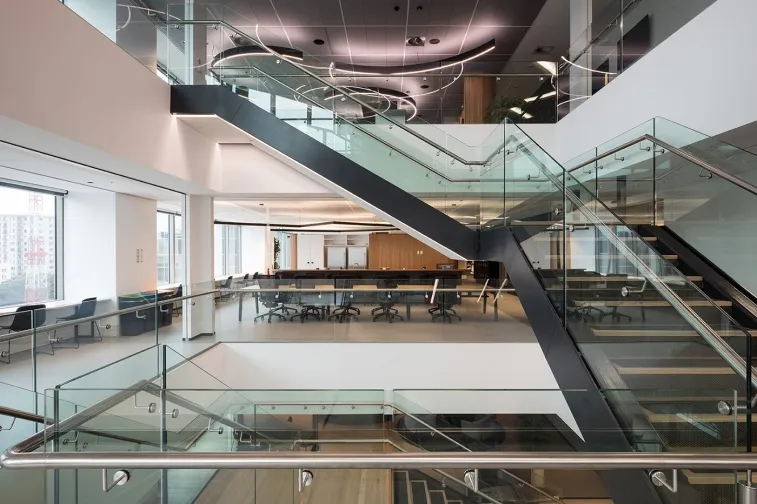
В аэропортах и транспортных зданиях к стеклу предъявляются более высокие требования, чем к типичному офисному фасаду. Панель может располагаться рядом с полосой движения такси, над переполненным залом ожидания или вблизи действующей железной дороги. Она должна пропускать дневной свет, одновременно выдерживая удары, шум, ветер и сложные работы по замене.
Почему аэропортам и транспортным сооружениям требуется специальное остекление?
Пассажиропоток резко возрастает во время вылета. Раздвижные двери постоянно открываются и закрываются. Багажные тележки ударяются об углы. Наружные фасады подвергаются воздействию шума от самолетов, поездов и автомобилей, зачастую одновременно.
Широкие стеклянные модули обеспечивают хорошую видимость, но большие панели выдерживают более высокие ветровые нагрузки и требуют более высокого качества кромок, рамок и допусков при монтаже. Замена панели над зоной ожидания или платформой может потребовать работы в ночное время и временного закрытия.
Безопасность, акустика и долговечность не могут быть спроектированы отдельно. Изменение толщины стекла, промежуточного слоя, полости, покрытия или рамы может улучшить одну область и ослабить другую.
Как безопасное стекло защищает пассажиров и зоны с высокой проходимостью?
Важный вопрос не только в том, разобьётся ли стекло. Важно то, что произойдёт после того, как оно разобьётся.
Ударопрочность и безопасность после поломки
Закаленное стекло лучше противостоит механическим и термическим воздействиям, чем отожженное. При разбитии оно рассыпается на более мелкие осколки, но не обеспечивает герметичность проема.
В многослойном стекле используется промежуточный слой для удержания осколков. Он предотвращает попадание осколков в проходы и обеспечивает временную защиту.
Закаленное многослойное стекло Такой материал часто используется там, где требуется как ударопрочность, так и сохранение целостности после разрушения. Компания Landson Glass поставляет конструкционные упрочненные ламинированные панели для таких применений, хотя окончательная конструкция по-прежнему зависит от размера стекла, опор, отверстий и расчетных нагрузок.
Большая толщина не означает автоматическую безопасность. Некачественная обработка кромок может свести на нет этот эффект.
Где защитное остекление наиболее важно?
К типичным зонам высокого риска относятся:
- Входные двери и застекленные боковые окна.
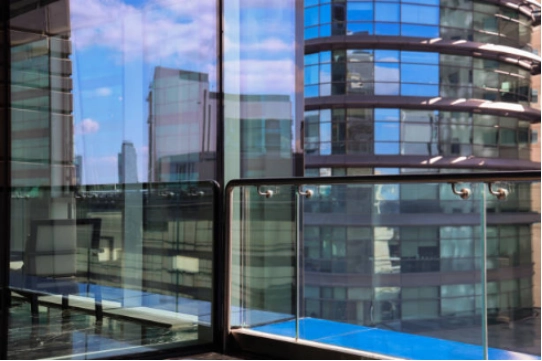
- Балюстрады, лестницы, мосты и надземные пешеходные переходы
- Экраны на платформах и пассажирские перегородки
- Зоны регистрации, подверженные воздействию багажных тележек
- Навесы и верхнее остекление
- Фасады над пешеходными дорожками
Требования к безопасности требуют отдельного рассмотрения. Устойчивость к взлому, взрыву и баллистике относятся к разным классам защиты. Одного лишь «многослойного безопасного стекла» недостаточно для подтверждения ни одного из них.
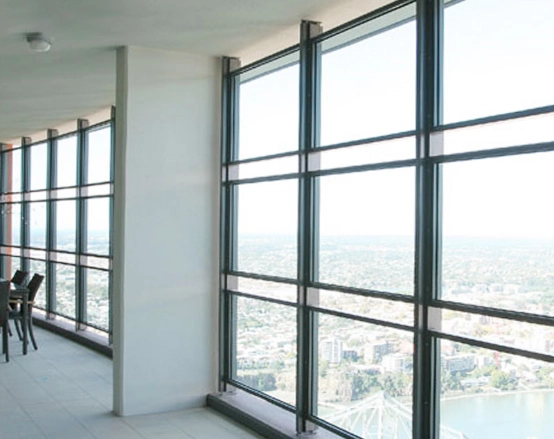
Как остекление может снизить уровень шума от самолетов, поездов и транспорта?
Шум от транспорта редко бывает постоянным. Самолеты создают мощную низкочастотную энергию. Поезда добавляют шум от качения, визг тормозов и кратковременные перепады давления. Даже при использовании стандартных стеклопакетов может сохраняться низкий гул, который пассажиры замечают в залах ожидания.
Почему акустическое ламинированное стекло превосходит обычное стекло?
Акустическое многослойное стекло Используется демпфирующий промежуточный слой для снижения вибрации, передаваемой через стекло. Эффективность зависит от всей конструкции в целом, а не только от общей толщины стекла.
Удачное решение может заключаться в сочетании акустического ламинированного стекла с монолитным стеклом другой толщины. Асимметрия помогает избежать резонансного поведения. Звукоизолирующее ламинированное стекло Landson Glass может быть сконфигурировано с акустическим ПВБ вокруг требуемого целевого значения Rw, STC или OITC, обеспечивая при этом сохранение безопасности.
Проблема была наглядно продемонстрирована в зале ожидания у взлетно-посадочной полосы. Массивный симметричный стеклопакет выглядел приемлемо с точки зрения расписания, однако низкочастотный шум оставался заметным. Неравная толщина панелей и акустический ламинат дали более полезный результат.
В каких случаях следует использовать акустическое ламинированное стекло в стеклопакетах?
Акустический ламинат часто размещают внутри стеклопакета, когда также требуется терморегулирование. В этом случае полость, прокладка, низкоэмиссионное покрытие, рама и уплотнители становятся частью акустической конструкции.
Утечка воздуха не прощает ошибок. Высококачественное стекло в слабогерметичной раме может подвести на объекте. Соединения стоек, двери, дымоотводы и проходы через фасад заслуживают не меньшего внимания.
Для аэропортов и железнодорожных проектов OITC может быть более информативным, чем STC, поскольку он уделяет больше внимания низкочастотному транспортному шуму. Отчеты об испытаниях должны максимально точно соответствовать предлагаемой конфигурации.
Что обеспечивает долговечность стекла в транспортных зданиях на протяжении всего срока его службы?
Само по себе стекло редко является единственным слабым местом. Края, уплотнения, покрытия, фурнитура и детали монтажа обычно определяют, как система будет стареть.
Устойчивость к погодным условиям, жаре и повседневной эксплуатации.
На больших фасадах может наблюдаться сильный ветер, частичное затенение и резкие перепады температур в пределах одного стекла. В местах, где низкоэмиссионное покрытие, фриттовые полосы, внутренние жалюзи или глубокие тени от стоек оконных переплетов увеличивают термическое напряжение, может потребоваться термообработанное стекло.
Вибрация направляющих может влиять на прокладки, фитинги и герметизирующие соединения. Открытые ламинированные кромки нуждаются в защите от влаги. Уплотнители кромок стеклопакетов должны быть совместимы с каркасом и конструкционным силиконом.
Заводское качество имеет значение. Сколы по краям, неточные отверстия, неправильное выравнивание ламината или чрезмерная деформация, вызванная вращением ролика, часто становятся проблемами при монтаже.
Вопросы технического обслуживания и замены
Транспортным компаниям необходимы панели, которые можно чистить и заменять без закрытия больших площадей. Размеры модулей, доступ для подъема, маршруты замены и наличие запасных частей следует обсудить на раннем этапе.
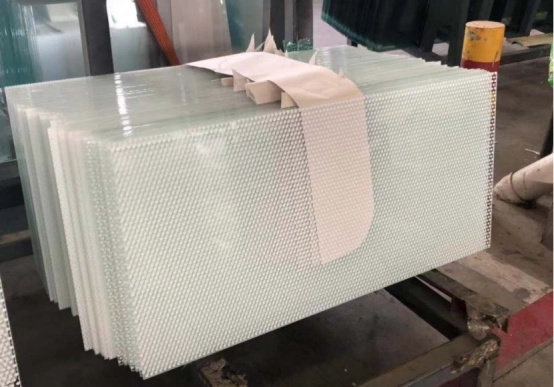
Керамическая фритта полезна для создания сетчатых узоров, отпугивания птиц или солнцезащитных полос. Поскольку чернила наносятся на стекло методом термической обработки, она обычно лучше переносит многократную очистку, чем поверхностные пленки.
Внешний вид замененного стекла также заслуживает внимания. Замененное стекло с другим цветом покрытия может быть заметно. Наличие утвержденных образцов и архивных записей о производстве снижает этот риск.
Какая конфигурация остекления подходит для конкретного аэропорта или транспортного узла?
Фасад взлетно-посадочной полосы и внутренняя перегородка торгового помещения могут располагаться близко друг к другу, но при этом требовать совершенно разного типа остекления.
| Приложение | Основные риски | Рекомендуемая конфигурация остекления | Проверка ключей |
| Внешние фасады терминала | Шум, ветер, теплопотери | Акустический ламинированный энергосберегающий стеклопакет | OITC или Rw, U-значение, SHGC |
| Главные входы | Воздействие человека, движение двери | Закаленное многослойное безопасное стекло | Класс удара, вырезы |
| Железнодорожные платформы | Удар, вибрация, давление толпы | Структурное многослойное стекло | Барьерная нагрузка, опоры |
| Залы ожидания | Шум, конфиденциальность, безопасность | Акустическое многослойное стекло | Rw, конфиденциальность речи |
| Канопии | Падающее стекло, погода | Инженерное многослойное безопасное стекло | Остаточная вместимость, дренаж |
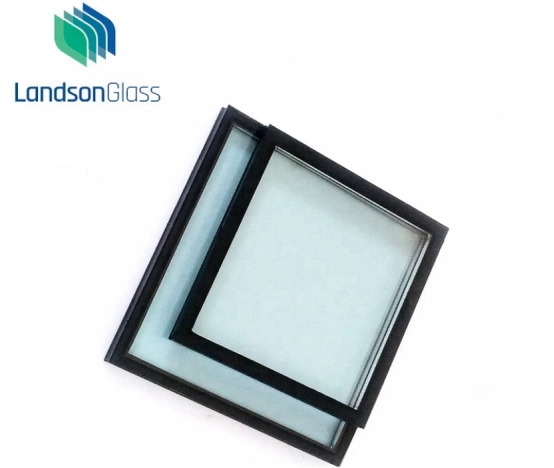
Для наружных фасадов компания Landson Glass Внутренние гастростомические трубки COMF-E® Low-E Можно комбинировать в одном блоке панели с покрытием, закаленные и ламинированные. Это помогает, когда необходимо одновременно решить проблемы защиты от солнечного излучения, звукоизоляции и теплоизоляции.
Существуют компромиссы. Более низкий коэффициент теплопритока солнечного излучения может уменьшить количество видимого света. Для очень больших стекол может потребоваться большая толщина или дополнительная опора. Образцы и расчеты обычно позволяют быстрее решить эти вопросы.
Что следует уточнить проектировщикам перед заказом транспортного строительного стекла?
Четко сформулированный вопрос предотвращает проектирование поставщиком на основе предположений. Он должен включать в себя:
- Размеры, количество и условия крепления панелей.
- Требования к безопасности, ударопрочности, ветровой нагрузке, барьерам и несущей способности конструкций.
- Акустические мишени, такие как Rw, STC или OITC.
- Коэффициент теплопередачи U, коэффициент пропускания второй гармоники SHGC и коэффициент пропускания видимого света
- Требования к термообработке и выдержке при высоких температурах
- Отверстия, выемки, обработка кромок и детали обработки фритты.
- Требования к полости, прокладке, газу и герметику в стеклопакетах
- Применимые стандарты и требуемые отчеты
- Ограничения, связанные с упаковкой, подъемом, транспортировкой и хранением.
На чертежах должны быть показаны поверхности покрытия и ориентация ламината. Перевернутое покрытие или неправильно расположенные ламинаты могут повлиять на эксплуатационные характеристики и внешний вид.
Как одной системе остекления можно обеспечить баланс между безопасностью, звукоизоляцией и долговечностью?
Практический подход заключается в проектировании стекла с учетом рамы, уплотнителей, опор и способа установки. Безопасность обеспечивает контроль за поведением стекла при разрушении. Акустическая конструкция контролирует вибрацию за счет конструкции. Прочные кромки, покрытия и уплотнители сохраняют эти свойства в течение всего срока службы.
Для транспортных проектов, рассмотренных Стекло LandsonПолезной отправной точкой является техническое задание: чертежи, размеры панелей, нагрузки, акустические и теплоизоляционные характеристики, а также стандарты. Затем можно сравнить варианты ламинированных, упрочненных и утепленных панелей в зависимости от местоположения, вместо того чтобы навязывать один и тот же материал для всего здания.
Часто задаваемые вопросы
В: Всегда ли требуется использовать многослойное стекло на фасадах аэропортов?
Нет. Обычно его используют там, где требуется защита от повреждений после разбития, звукоизоляция, безопасность или защита от падения с высоты. В других случаях, в зависимости от риска и местных правил, может использоваться закаленное или термоупрочненное стекло.
В: Какой акустический рейтинг наиболее актуален для аэропортов?
OITC часто полезен для фасадов, подверженных воздействию шума от самолетов и дорог, поскольку он придает больший вес низким частотам. Rw и STC могут по-прежнему требоваться в соответствии с проектной спецификацией.
В: Можно ли комбинировать энергосберегающее стекло (Low-E) и акустическое многослойное стекло?
Да. Акустическое ламинированное стекло можно установить в стеклопакет с низким коэффициентом теплопередачи. Положение покрытия, толщина стекла, полость, прокладка, рама и уплотнения должны оцениваться совместно.