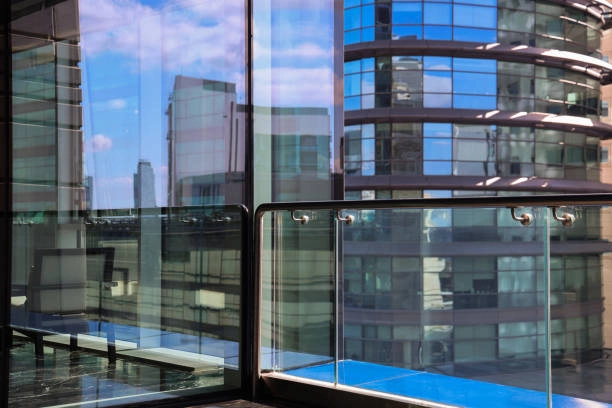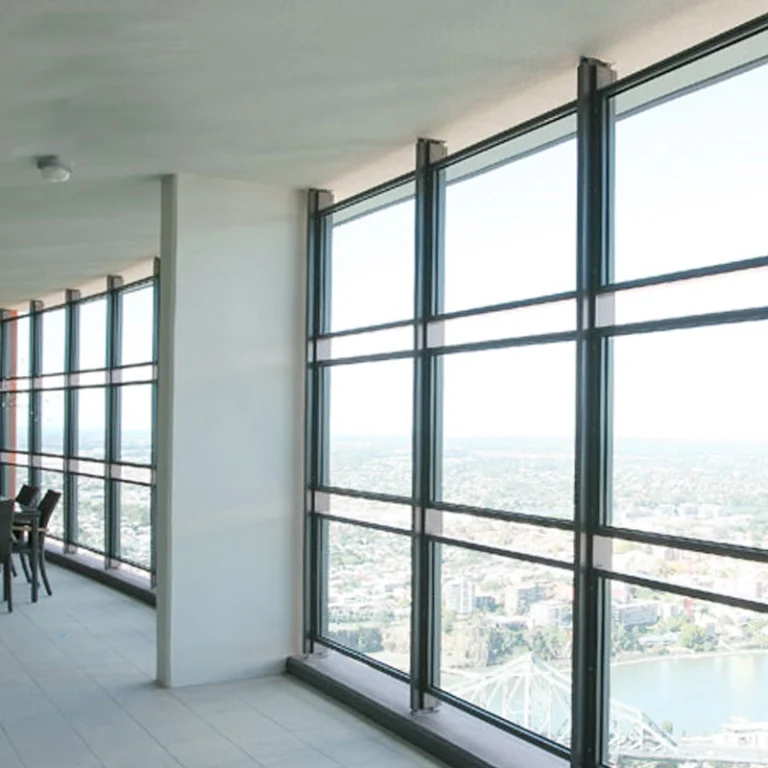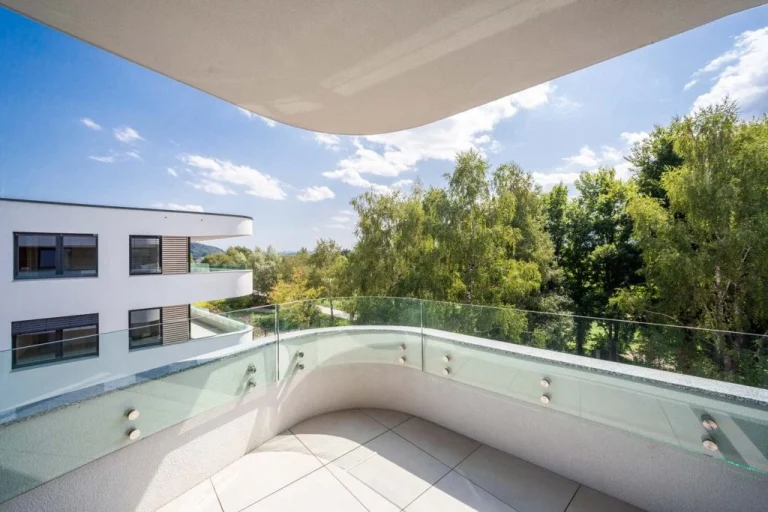


Custom glass manufacturing has become a key part of modern architecture. It lets designers blend function, safety, and beauty into one material. From tall building fronts to home insides, the skill to shape glass to exact sizes gives architects room to try new ideas. At the same time, it keeps energy savings and lasting strength. The quick answer to why custom glass counts: it turns plain spots into strong, eye-catching places made to last a long time.
Understanding Custom Glass Manufacturing
The Process of Custom Glass Manufacturing
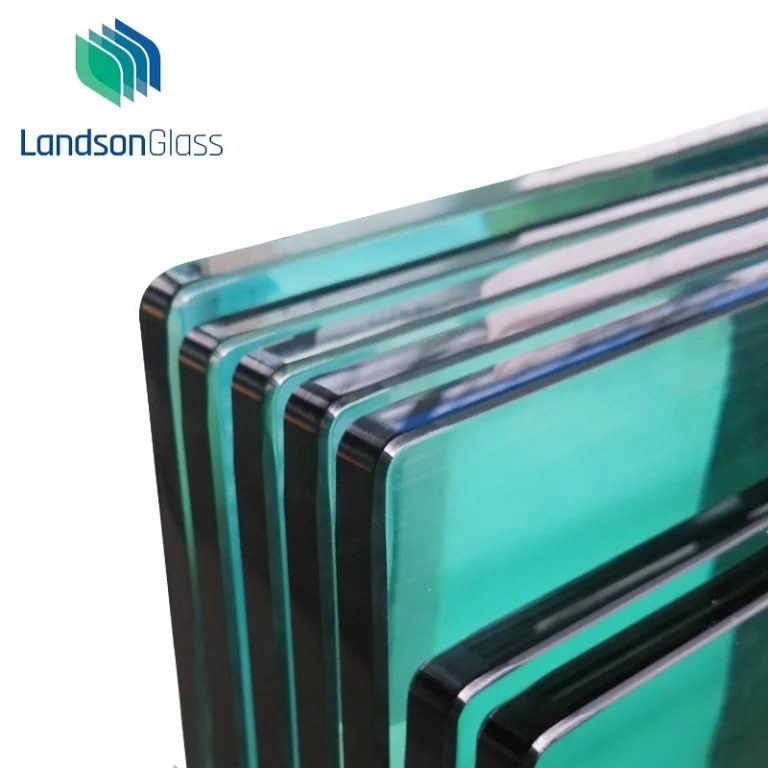
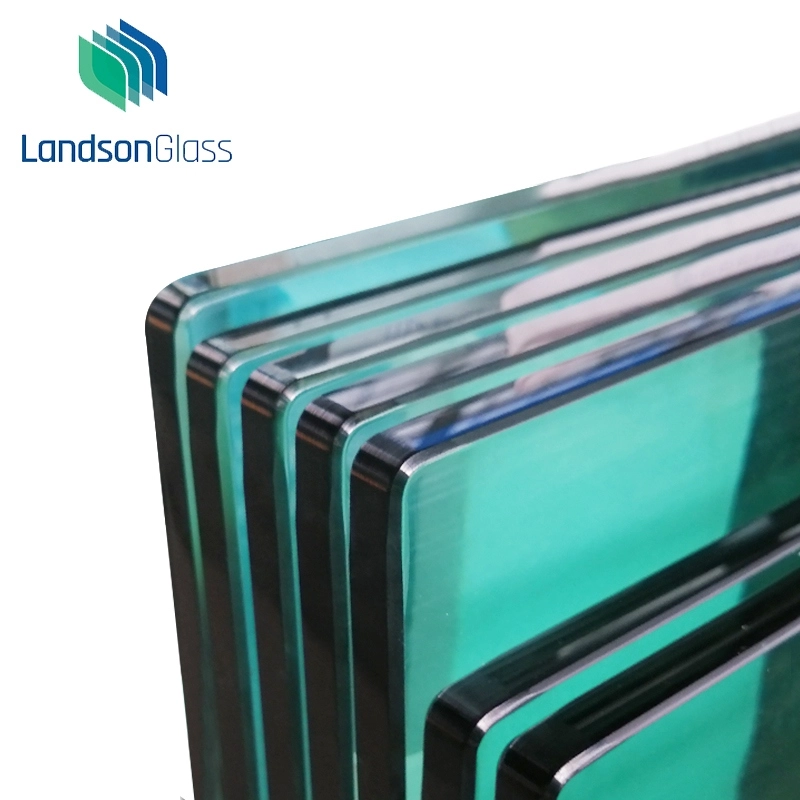
Making custom glass mixes science, skill, and new tech. The work often begins with slicing raw float glass sheets to exact sizes. Then, it goes through steps like tempering or lamination. Tempering makes the glass tougher with steady heat and fast cooling. Lamination joins several layers using stuff like PVB (polyvinyl butyral) or EVA (ethylene-vinyl acetate). These ways not only boost build strength but also create special light effects.
Accuracy matters a lot in this. A tiny error, even a millimeter off, can mess up fitting or safety checks. Manufacturers like Landson Glass, a skilled supplier of architectural glass, focus on tempered, laminated, insulated, and decorative glass items. They stress strict rules at each step. Their efforts show how tailoring fits both looks and solid work in big builds.
Types of Custom Glass Available for Building Projects
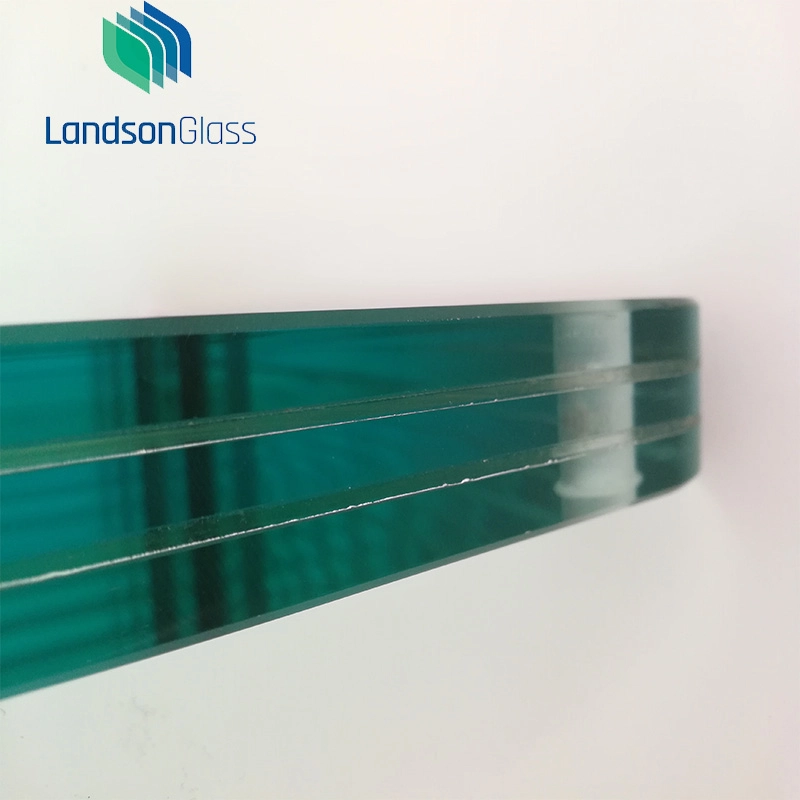
Of the many kinds of custom glass out there now, laminated tempered glass shines for its power and range. It mixes two safe methods—tempering for hit resistance and lamination for holding pieces. This makes it great for fronts, roof lights, and side rails.
| Type | Composition | Key Features | Common Applications |
| Tempered Glass | Single heat-treated pane | High strength; shatters into small pieces | Doors, partitions |
| Laminated Glass | Two or more panes with interlayer | Holds fragments when broken; UV protection | Windows, roofs |
| Laminated Tempered Glass | Tempered layers bonded by interlayer | Combines strength and safety benefits | Façades, railings |
The big gap between laminated and tempered glass is how they fail. Tempered glass breaks into tiny bits on hit. But laminated glass stays whole thanks to its layer glue. So, this combo works well in spots needing both toughness and hold.
Advantages of Using Laminated Tempered Glass in Construction
Enhanced Safety Features
Laminated tempered glass stops full breaks by sticking shattered bits to its middle layer. This cuts down hurt chances from sudden hits or bad weather. In busy spots like airports or store entrances, it brings real calm.
Safety glass meets rules in risky places such as stairs or decks. It keeps shape even after cracks. That means it protects until fixed—a big plus over plain annealed types.
Improved Durability and Longevity
Laminated tempered glass fights off force and weather wear well. Its built-up layers take hits better than one-sheet options. And it holds up under heat changes or sun rays. Spending on tough fixes pays back over time. It lowers fix-up costs and stretches use years. For builders with many sites, these gains add up big over long runs.
Design Flexibility with Custom Glass Solutions
Aesthetic Versatility in Building Design
Architects like custom glass for how it fits many styles—from simple clear views to bright color pops. Choices cover shaded looks for sun block, misty finishes for hide, or marked layers that act like art.
Today’s builds often pick set clear levels to mix day light with less glare. This range lets creators match looks with work aims without fuss.
Integration with Other Building Materials
Custom glass blends nice with things like metal edges, wood boards, or stone fronts. When paired right, it ties parts together. And it keeps a wide-open feel. For instance, Landson Glass teams up on jobs where bent laminated sheets join steel frames with no seen seams. This proves how careful making aids build ideas without losing power.
Energy Efficiency Benefits of Custom Glass Manufacturing
Insulating Properties of Laminated Glass
Laminated glass helps heat control a lot. It cuts warmth move from outside to inside. The middle part works as a block that steadies room temps through seasons. This better block leads to less power use for warm or cool systems. It’s key in green builds where running costs shape lasting worth.
Role in Sustainable Building Practices
Power-saving stuff helps get badges like LEED or BREEAM. With laminated tempered glass that cuts need for fake lights and air systems, spots can score green points. Plus, it shrinks carbon marks.
Green-minded builders like that custom glass uses stuff that can recycle. And it adds low-waste covers—fitting world eco goals more.
Practical Considerations for Implementing Custom Glass Solutions
Cost Implications and Budgeting for Custom Glass Projects
The price of custom glass making varies by a few things:
- Type of treatment (tempered vs laminated)
- Thickness and size requirements
- Edge finishing complexity
- Coatings or decorative patterns
- Installation logistics
Up-front costs might look higher than basic window choices. But gains come from better lasting, fewer swaps, and stronger energy work later. A smart plan tip: talk to makers early in design. That way, you get true cost guesses that fit the job size.
Maintenance and Care for Custom Glass Installations
Keeping custom setups clean means steady wipes with soft cleaners to keep clear and skip tiny cuts. For outdoor laminated tempered units, check edges now and then. This spots early wear on seals or layer splits from water sneak-in.
Easy moves like soft rags over rough ones can lengthen life a bunch. Good upkeep not only holds the front clean but keeps build strength for safe rules long-term.
FAQs
Q: What makes laminated tempered glass different from regular tempered glass?
It combines two strengthening processes—tempering for toughness and lamination for retention—offering both impact resistance and safety containment when broken.
Q: Can you cut tempered glass after production?
No; once tempered, cutting will cause it to shatter immediately due to internal stress distribution created during heat treatment.
Q: Is laminate glass suitable for exterior applications?
Yes; its UV-resistant interlayer makes it ideal for façades, skylights, and curtain walls exposed to sunlight or harsh weather conditions.
Q: How does custom-manufactured glass improve building energy performance?
By controlling solar gain and providing insulation through specialized coatings or multi-layer assemblies that reduce thermal transfer.
Q: What’s the best way to maintain laminated tempered panels?
Use mild detergents with soft cloths; avoid harsh chemicals or abrasive pads that could damage coatings or edge seals over time.