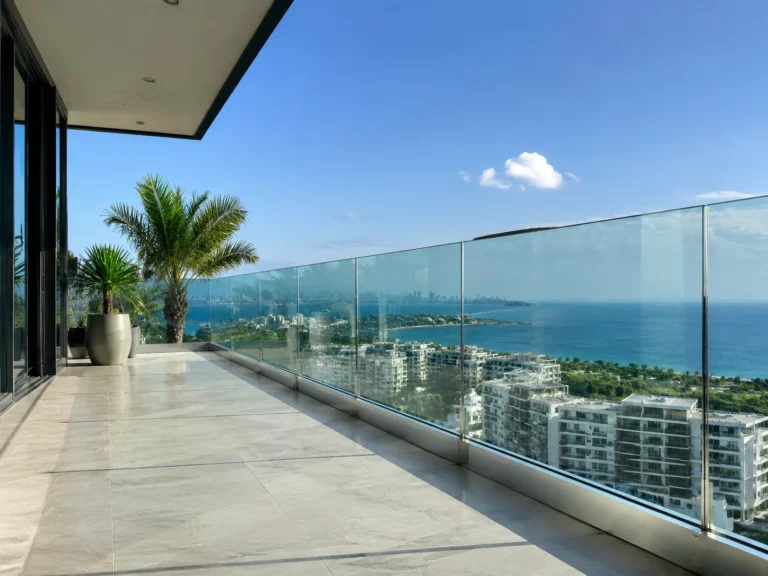


How can glass facades be built to handle wind loads well without hurting safety, looks, or function. The solution comes from a step by step plan. It mixes wise design picks, fitting material choices, and good ties with skilled makers. Let’s look at how facade glass can match engineering rules and building ideas under big wind push.
Key Factors Influencing Wind Load Resistance in Glass Facades
- The Role of Building Height and Location: As buildings go up taller, they meet tougher wind pushes. Wind strength grows with height. It changes a lot between various places on the map.
- Impact of Facade Orientation and Geometry: A slanted or rounded facade could face swirling winds or pull forces. Sticking-out parts like roofs or deep indents might cause strong local pushes.
- Glass Panel Size and Aspect Ratio Considerations: Bigger pieces bend more under the same pushes. That can cause noticeable shakes or even cracks from stress as time goes on.
Material Choices That Enhance Load Resistance
Differences Between Annealed, Tempered, and Laminated Glass
When picking glass for wind load hold, knowing how each kind acts under force is key:
| Glass Type | Strength | Post Failure Behavior | Suitability for Wind Load |
| Annealed | Low | Shatters into sharp pieces | Not recommended |
| Tempered | 4-5x stronger | Shatters into small granules | Good but abrupt failure |
| Laminated | Moderate | Holds together when cracked | High safety and integrity |
Tempered glass gives better resistance to breaks. But when it gives way, it does so all at once. Laminated glass joins two sheets with a middle layer. It keeps its shape even if cracked. That makes it great for protection from flying bits in wind. Choice hinges on how much risk you take, what weather it faces, and what you want after a break.
The Use of Insulating Glass Units (IGUs) in High-Wind Applications
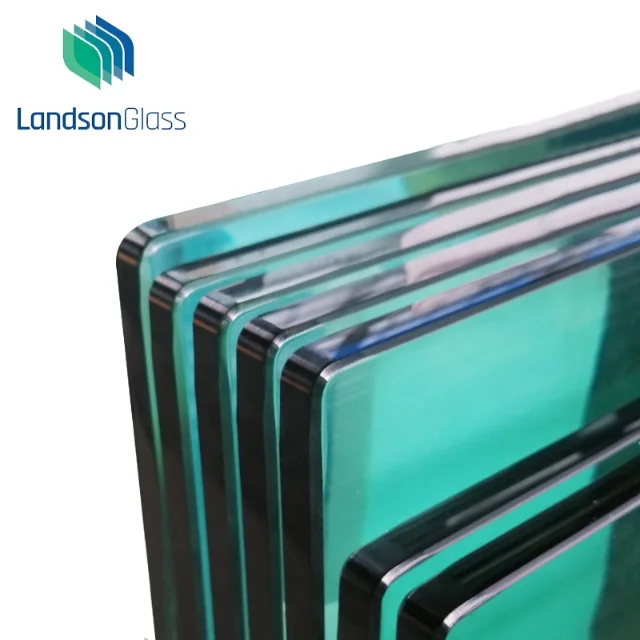
Insulating Glass Units (IGUs) get used a lot for saving energy. They also manage shifts in pressure inside and out. IGUs usually have two or more sheets kept apart by bars. They seal around the edges.
Still, they pose some build hurdles:
- Sealants must stay bendy to allow shifts.
- Spacer bars need to hold up strong.
- Edge holds must be solid to stop bending in the unit.
In these cases, special building work is key. This holds true mainly for big or tilted IGUs put in gusty places.
Structural Support Systems for Facade Glass Stability
Importance of Framing Systems in Load Transfer
Framing setups do important work. They move loads from glass sheets to the building’s core frame. Up-and-down mullions and side-to-side transoms often spread push in even ways.
But planners need to think about:
- Stiff frames cut down on glass shifts. Yet they raise strain at tie spots.
- Matching stretch from heat between frame stuff (usually aluminum) and glass is vital. It stops wear over long years.
Picture it as skeleton and muscles. Every piece in the setup must bend properly to deal with strain for many years.
Considerations for Point-Supported and Frameless Systems
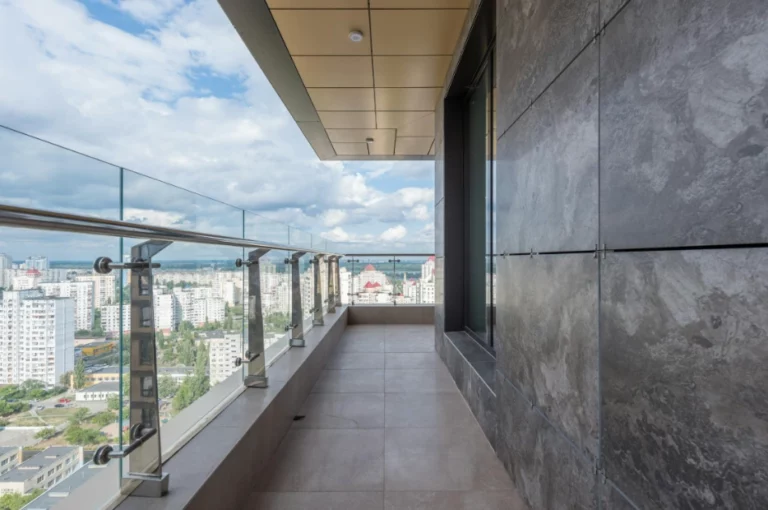
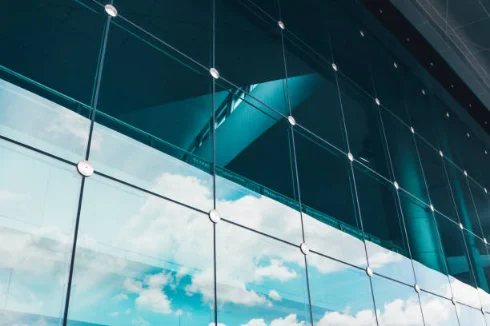
Today’s simple-style building designs often pick point-held or no-frame glass setups. These use pins or spider clips to fix sheets at single spots. Not full sides.
To get this right and safe:
- Glass has to be chunkier or handled special.
- Build-up of strain at each fix point needs close checking in models.
- Make tolerances snug. On-site tweaks have small space.
These setups look great. But they call for pro care from both planners and builders.
Addressing Environmental Stressors Beyond Wind Loads
Interaction Between Wind Pressure and Thermal Expansion
Wind does not work by itself. Heat changes matter a lot as well. Big glass sheets grow and shrink with warmth shifts. Throw in wind push, and inside strains can jump way up.
Coatings like Low-E glass bounce back heat rays to save power. They can cause spotty warmth take-up over a sheet. Planners must include these ways to skip splitting between layers.
Managing Snow Loads in Combination with Wind Forces
In cold areas, snow piles on steady weight. Paired with hard winds, the total pushes can shift a lot. This differs from what a planner first guesses.
Especially on angled facades or roof lights:
- Water paths must stay open to skip ice piles.
- Mix of loads needs count in build models.
- Extra strength might be needed based on tilt angle and open spots.
Industry Practices for Ensuring Long-Term Performance of Glass Facades
Quality Control During Fabrication and Installation
Edge work is one thing folks miss often. Clean edges cut down on tiny crack chances. Those can spread with repeated pushes over years.
Fitters need lessons too. On skipping extra start strain when putting in place. Small off-sets now can turn to big breaks later.
Periodic Inspection and Maintenance Recommendations
Regular checks are not a choice. They act like health care for structures. Steady looks help spot first hints of seal wear or frame shifts. Cleaning ought to stick to maker tips. Some Low-E coatings react bad to rough cleaners.
Integrating Expertise Into Project-Specific Glass Design Solutions
Collaborating With Specialized Glass Suppliers Early in Design Stage
Landson Glass gets what customers want. They give full answers to fill all needs for building glass. Their know-how in first design steps aids builders in picking the fit kind. Say heat-soaked tempered panels or ceramic-frit pretty options. For whatever case.
Leveraging Custom Fabrication Capabilities for Complex Facade Requirements
When jobs ask for odd forms or tricky stacks, ready-made picks fall short. Landson Glass gives many items like tempered, laminated, insulating, and pretty glass. They fit varied building wants.
Their shops back special work for printed, shaped, or all-around Low-E glass. It blends work with style. A real plus for builders after eye-catch without losing toughness.
Balancing Safety, Efficiency, and Visual Impact Through Expert Input
Teaming with pros like Landson Glass lets planners boost work. Without losing main ideas. Their full grasp of stuff acts under wind load aids smart choices all through job steps. From high curtain walls to small facades with pattern laminates, their skills lead to safer. And prettier. Outcomes.
FAQs
Q: What type of glass is safest against high wind loads?
Laminated tempered glass is often preferred for its strength and post-breakage safety.
Q: How does Low-E glass affect wind load design?
While it doesn’t affect structural strength directly, it influences thermal expansion patterns which interact with wind stress.
Q: Can I use frameless systems on high-rise buildings?
Yes, but only if proper thickness, anchoring hardware, and tolerances are factored into design early.
Q: What maintenance is needed for IGUs under wind stress?
Routine seal inspection and periodic resealing may be necessary to avoid moisture ingress and pressure imbalance.
Q: Why should I involve suppliers like Landson Glass during design?
Their technical support ensures compatibility between your aesthetic goals and structural requirements—saving time and reducing risk later.