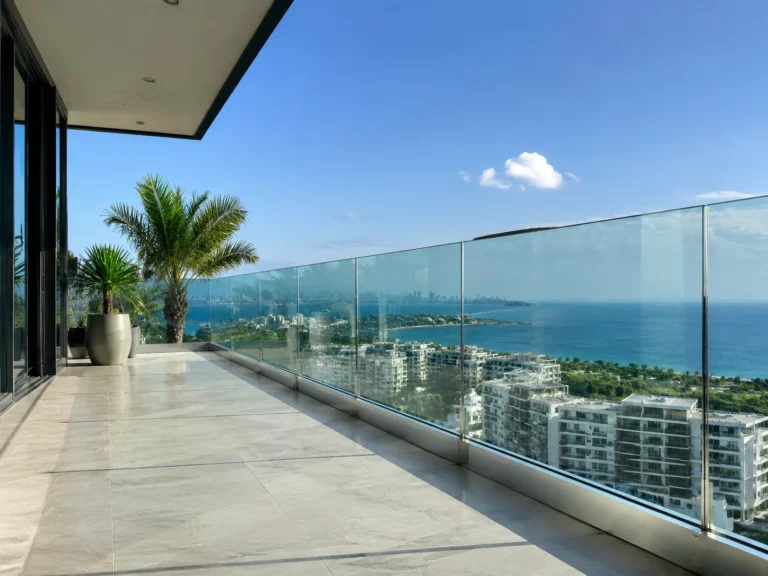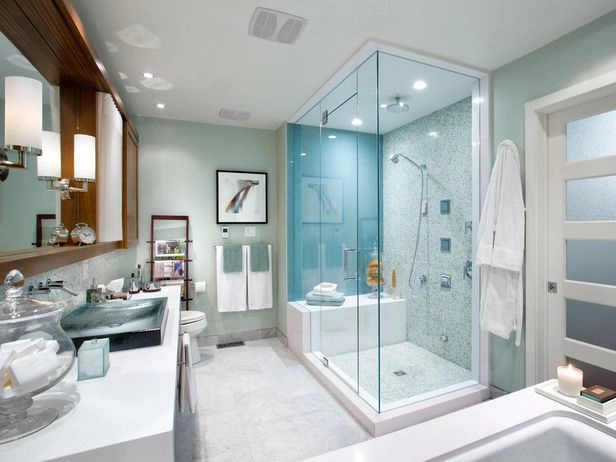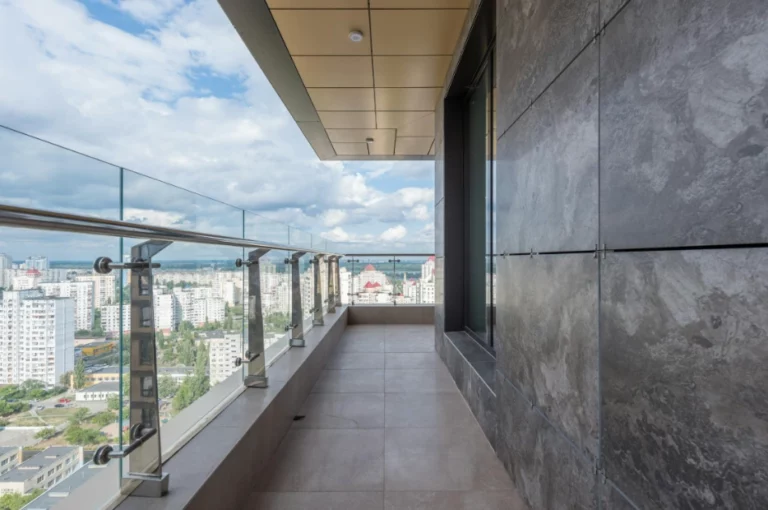



Before picking between laminated and insulated glass for your glass wall systems, you need to grasp the main trade off. It comes down to better security or improved energy savings. Laminated glass gives strong protection against hits and break ins.
Meanwhile, insulated glass units (IGUs) do a great job at cutting down heat movement. They also boost comfort inside. Your decision depends on what your project needs most. Is it guarding a busy commercial front or building a home that saves energy?
Key Characteristics of Laminated Glass
Safety and Impact Resistance
Laminated glass uses several layers stuck together with a sturdy interlayer. This interlayer is often PVB (polyvinyl butyral). If it breaks, the glass holds its shape. It does not scatter into sharp pieces. This makes it very useful for certain situations.
- It stops break ins and damage from vandals.
- It keeps people safe in bad weather or crashes.
- It fits safety rules for places like schools, banks, and airports.
People choose it when safety for people or protecting things matters a lot.
Acoustic Performance in Urban Environments
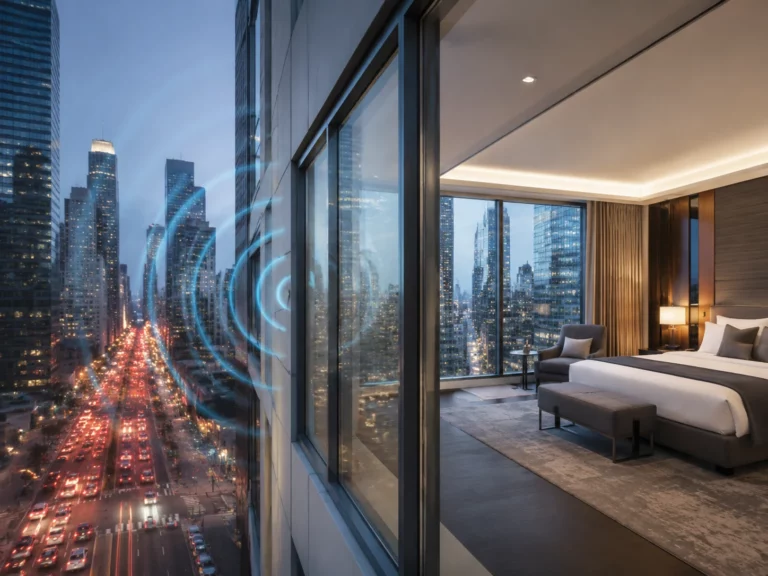
A hidden plus of laminated glass is how well it cuts noise. The interlayer soaks up sound waves. This works great in loud city spots. Buildings close to roads or airports get a real boost from this sound blocking.
UV Protection and Material Longevity
Laminated panes stop almost all bad UV rays, up to 99%. This slows down fading and wear on inside items. It guards furniture, floors, and art for years. Museums or shops with displays love this feature.
Limitations in Energy Efficiency
Laminated glass is strong, but it does not insulate heat well by itself. It gives okay warmth control. Yet, it needs extra help like low-E coatings. Or, you can mix it with IGUs. Alone, it cannot match the heat blocking of a setup with many panes.
Structural Weight and Installation Considerations
The layered build makes laminated glass weigh more than regular float glass. So, it calls for tougher support frames. Plus, putting it in takes extra care and special tools. Shipping and worker costs might go up too.
- It requires reinforced framing systems
- Installation needs more planning and specialized handling
- Costs for transport and labor can increase
Core Attributes of Insulated Glass Units (IGUs)
Superior Thermal Insulation Properties
IGUs have two or three panes. They are spaced apart with air or a safe gas like argon or krypton. This setup cuts heat flow a lot. It keeps rooms warm in winter or cool in summer.
Energy Efficiency for Sustainable Building Design
Today’s buildings need windows that save power. IGUs lower the need for heating or cooling systems. They cut heat escape or entry. This helps in green projects like LEED certified ones. It also trims running costs over time.
Condensation Control and Moisture Resistance
Well sealed IGUs fight fog between panes. This problem shows up in wet areas. The seal keeps views clear. And it stops mold from growing inside.
Soundproofing Capabilities in Multi Pane Systems
IGUs do not block sound as well as laminated glass for some pitches. Still, they reduce noise decently. You can tweak the multi pane design. Use different pane sizes or spacers for better quiet.
Durability and Lifespan in Varying Climates
Good seals and drying agents in the spacers make IGUs last long. They hold up for many years. This works in all kinds of weather, from dry lands to cold peaks. So, they fit many places around the world.

Application Scenarios Based on Building Type and Function
Commercial Buildings with High Foot Traffic or Risk Exposure
Think of shop fronts, airports, or banks. These spots see lots of people or threats. Laminated glass fits right in. It meets safety needs and gives calm assurance.
Residential Projects Focused on Comfort and Efficiency
House owners want snug rooms and low bills. IGUs deliver steady inside warmth all year. They also tone down street sounds. This suits homes near busy paths or tracks.
Mixed use Developments Seeking Balanced Performance
Big projects mix shops, offices, and homes. A combo works well here. Put laminated glass on lower public levels for safety. Use IGUs up high or in living areas for warmth control.
Design Considerations When Specifying Glass Wall Systems
Aesthetic Flexibility Across Architectural Styles
Both laminated and insulated glass offer many looks.
- Tinted
- Frosted
- Low-emissivity coatings
- Reflective films
They blend into modern setups like curtain walls, roof lights, or room dividers.
Integration With Smart Building Technologies
New buildings use smart features more and more. Both glass types work with them.
- Solar control coatings
- Switchable privacy films
- Automated shading systems
- Sensor based energy management
This flexibility aids green goals. It keeps the original design plan intact.
Expert Guidance for Optimal Glass Selection Strategy
Evaluate Environmental Conditions Around the Project Site
Where your project sits matters a ton.
- Shore areas with big storms need laminated glass for flying junk.
- Cool places gain from IGUs that hold heat inside well.
Match Glass Type With Structural Framing Systems
Frames differ in strength. Heavy laminated pieces call for solid posts and ties. IGUs need exact seals in frames that break cold paths. This stops heat leaks or air slips.
Industry Expertise Driving Quality Glass Solutions
Landson Glass makes exact laminated and insulated items for building needs. Their top notch work meets safety rules. It also fits current design wants. With years in commercial, home, and public jobs, Landson Glass helps planners and builders from start to finish.
From picking to setup, they offer solid advice. It comes with a full line of goods. No matter if you want heat control or strong build, their group gives smart input.
FAQs
Q: Can I use both laminated and insulated glass in one building?
Yes. Many mixed use or multi zone buildings combine both types depending on function.
Q: Is laminated glass also energy efficient?
On its own, not very. But when paired with coatings or combined into an IGU system, performance improves.
Q: How long do insulated glass units last?
With proper sealing and installation, they can last 15–25 years before seal failure might occur.
Q: Do laminated windows block all sound?
Not all—but they’re highly effective against mid to high frequency noises like traffic or voices.