

When you upgrade your home or business spot with energy-saving, good-insulated glass, picking between double and triple glazing can really affect comfort, price, and how it works. The short answer? In cold spots, triple glazing gives better insulation. But for milder weather, high-quality double glazed units often hit a good spot between saving energy and cost. Let’s look into it.
Key Differences Between Double and Triple Glazing
Structural Composition of Each Glazing Type
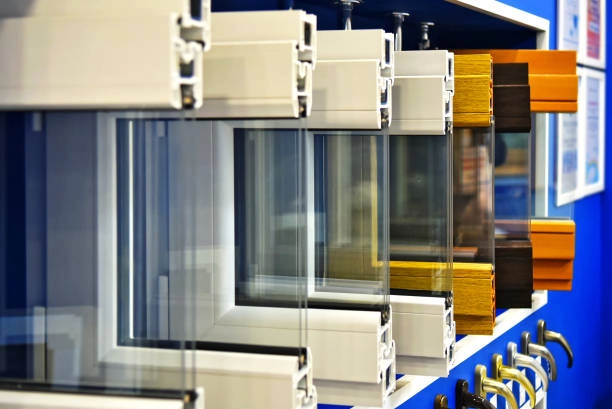
Double glazing has two panes of glass. They are split by a spacer bar. The space between these panes usually gets filled with air or a gas like argon. This simple setup is already a big jump from single pane glass.
Triple glazing goes a step more. It adds a third pane. This makes two insulating spaces. Each space can hold strong gases like argon or krypton. These gases boost thermal resistance way better than air.
Spacer materials also matter a lot. Non-metallic warm edge spacers cut down heat bridging at the glass edges. It’s a small thing, but key for the whole unit’s work.
Thermal Performance Characteristics
We measure glazing’s heat performance with U-values. Lower values show better insulation. Triple glazed units can reach U-values as low as 0.6 W/m²K. Standard double glazed units sit around 1.1 to 1.3 W/m²K most times.
But U-values don’t tell it all. How it performs also rests on things like:
- Low-emissivity (Low-E) coatings
- Spacer bar technology
- Gas fill quality and type
When you mix these features right, they can boost any glass system’s power to keep indoor heat. And they stop outside temperature swings too.
Energy Efficiency Across Climate Zones
Performance in Cold Climate Regions
In places with long, tough winters, triple glazing does way better. Its extra pane and gas-filled spaces cut heat loss a bunch. This keeps indoor temps steady. Plus, it lightens the work on heating setups.
Homes in Scandinavian countries or northern Canada often pick triple glazed designed windows as their main choice. The savings on heating bills over time in those spots usually make the bigger starting cost worth it.
Suitability for Moderate and Warm Climates
In milder or warmer spots though, triple glazing could be too much. Double glazed windows give enough insulation for comfort all year. They do this without the risk of getting too hot in summer.
It’s good to think about the Solar Heat Gain Coefficient (SHGC). This checks how much sun heat goes through the window. Triple glazed units with lots of low-E coatings might block too much sun gain. So they work less well in sunny places where a bit of free heating helps.
Acoustic Benefits of Multi-Pane Glass Units
Sound Insulation Capabilities of Double vs Triple Glazing
If you’re dealing with road noise or stay near trains or airports, the sound perks of glazing matter just as much as the heat ones.
Triple glazing shines in cutting sound because of the extra pane and space. Also, when panes have different thicknesses – that’s asymmetrical glazing – they mess up sound waves at various levels.
Even so, a well-made double pane glass with layered parts can give strong sound results in quieter spots.
Applications in Urban or High-Traffic Environments
For buildings in busy city areas or close to factory zones, triple glazing is usually the top pick. It gives steady sound blocking for low and high pitches.
Homes in suburbs or buildings in calm areas might see double glazing as enough. Especially if you add good seals and right setup ways.
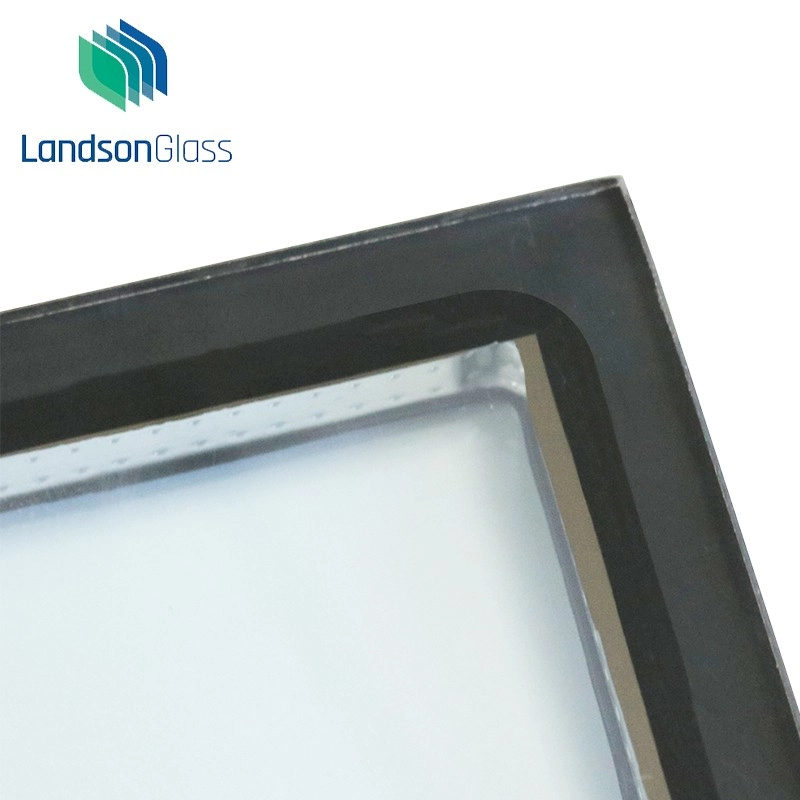
Condensation Resistance and Moisture Control
How Pane Configuration Affects Condensation Formation
Condensation happens often when warm inside air hits cold window spots. Triple glazing keeps higher temps on inside surfaces thanks to its better insulation. This lowers the odds of water drops forming in the unit or on frames.
Gas fills like argon or krypton and advanced Low-E coatings cut the chance even more of hitting dew points on inside parts.
Implications for Indoor Air Quality and Frame Longevity
Less condensation leads to fewer spots for mold to grow near windows. That’s a real win for air quality inside.
Plus, cutting down on wetness helps keep window frame stuff like wood or mixed materials lasting longer. No matter if you use timber frames or aluminum with thermal breaks, handling moisture stretches their life a lot.
Cost Analysis and Return on Investment Considerations
Upfront Costs vs Long-Term Energy Savings
Triple glazed windows for sure cost more to make and put in. That’s because of the added pane, more weight, and special parts needed.
But in cold areas with high heating needs, the energy you save can cover those first costs after a while. This turns triple glazing into a wise pick for homeowners who care about energy in north spots.
Payback Periods Based on Regional Climate Data
Payback timelines vary by location:
| Climate Zone | Avg Energy Savings (Annual) | Payback Time |
| Cold (e.g., Oslo) | $150–$250 | 8–12 years |
| Mild (e.g., London) | $70–$120 | 15–20 years |
| Warm (e.g., Sydney) | $30–$60 | 20+ years |
For lots of homeowners in mild zones, high-quality double glazing brings faster payback. It has lower setup costs and does the job well enough.
Material Selection for Multi-Pane Glass Systems
Influence of Frame Materials on Thermal Efficiency
A window’s frame material adds a lot to its total U-value. Common choices include:
- Vinyl: Low conductivity but may lack durability.
- Aluminum: Needs thermal breaks to prevent heat transfer.
- Wood: Naturally insulating but requires maintenance.
- Fiberglass: Durable and efficient but costlier.
Triple glazed units get the most from frames with top insulating traits to match the glass work.
Compatibility with Glass Thickness and Weight Load
Triple glazing weighs more – no shock there. So frame systems have to be strong enough to take the extra weight. They must do this without bending or hurting tight seals.
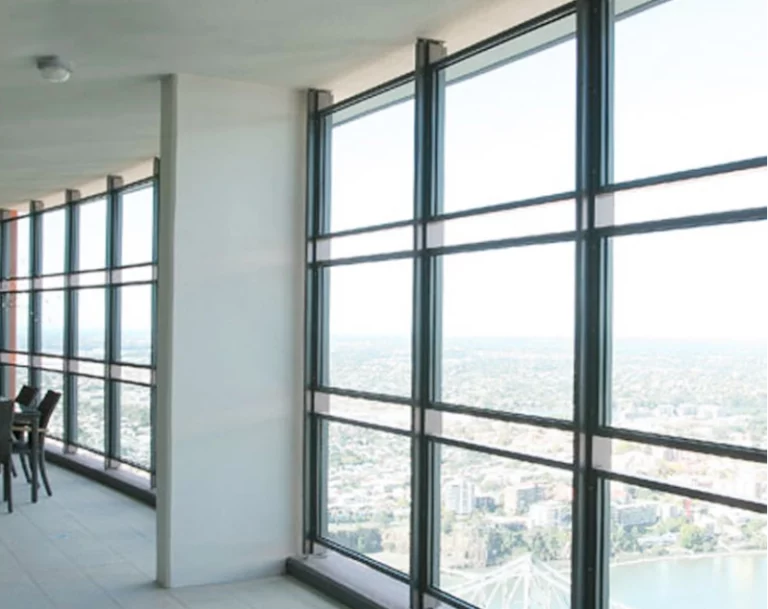
For big setups like curtain walls or wide views, you need strong supports. Custom fixes from skilled manufacturers like Landson Glass make sure of safety and long life in real use.
Choosing the Optimal Glazing Based on Project Needs
Residential vs Commercial Applications
Homeowners usually want comfort, quiet, and fair energy bills. High-quality double glazed units often fit best unless they’re in very cold spots.
Business buildings going for energy labels like LEED might choose triple glazing to hit tough building rules.
Landson Glass, a professional architectural glass manufacturer, offers tailored solutions for both residential and commercial projects. Their expertise spans tempered, laminated, insulated (double/triple), and decorative glass products—each designed to meet modern engineering standards.
Customization Options with Glass Types and Coatings
Low-E coatings come in different mixes. Some focus on keeping heat; others on sun control. Laminated or tempered panes add safety and strength where you need it.
Custom glass setups let builders and planners mix looks, energy aims, and rules in a good way.
Environmental Impact of Glazing Choices
Lifecycle Emissions from Manufacturing to Disposal
Triple glazed windows need more basic stuff – more panes, more spacers, more gas fills. This raises making emissions. But they can cut energy use in running for many years.
That drop in heating needs over time helps shrink a building’s full carbon mark.
Recyclability hangs on how easy it is to split materials at the end. For example, plastic spacers recycle better than metal ones.
Contribution to Building Sustainability Goals
Top glazing, specially when part of sun-based design, backs green targets like zero energy use or passive house rules.
Efficient designed windows cut HVAC needs as well. This lets smaller systems use less power in total.
FAQs
Q: What’s the main difference between double and triple glazing?
Double glazing uses two panes of glass; triple adds a third pane for better insulation and soundproofing.
Q: Is triple glazing always better than double?
Not necessarily—it depends on your climate zone and performance goals.
Q: Can I install triple glazed units in existing window frames?
Often no; triple glazing is heavier and needs stronger frames or structural upgrades.
Q: Does triple glazing prevent condensation?
It reduces it significantly but doesn’t eliminate it entirely without proper ventilation.
Q: How do I know which glazing option suits my project?
Consult with experienced suppliers like Landson Glass who can assess your building’s needs and climate conditions.