

Acoustic Laminated Glass for London Flats – What Works?
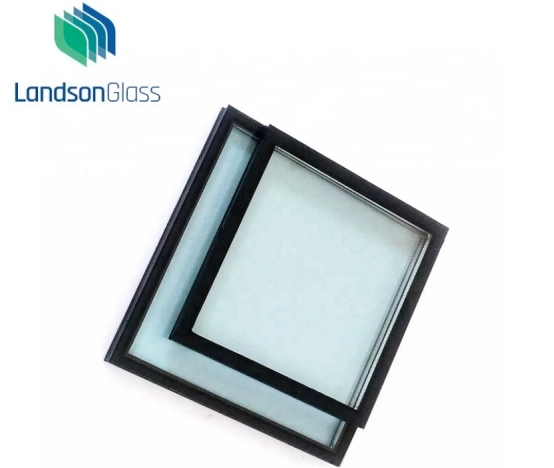
If you’re specifying acoustic laminated glass for London flats, start with the window you actually have. Does it shut tightly? Can it be replaced? There’s little point buying better glass for a sash that leaves a gap at the corner. In a sound frame, though, an acoustic laminate can be a worthwhile upgrade, either within double glazing or in a separate inner window.
We’d be reluctant to quote Akustik-Verbundglas on thickness alone. What keeps the resident awake matters more. So does a stuffy bedroom: glass can’t do much about traffic noise once the window is open.

What Noise Is Reaching the Flat?
Picture a bedroom above a London bus route. At midnight there’s less traffic, yet the next bus pulling away is hard to ignore. Visit the same flat at lunchtime and you might miss the complaint entirely.
That’s why the survey needs to cover the resident’s problem hours. It should identify the source and capture individual loud events alongside the average. Rumble felt through the building needs investigation too; changing the glass won’t cure vibration travelling through the structure.
There are numbers to work towards. In BS 8233:2014, the bedroom guideline is 30 dB LAeq for the night period of 23:00–07:00. For a living room during the 16-hour day, it’s 35 dB LAeq. LAeq describes an energy-averaged sound level. A passing siren can stand out even when the average looks reasonable.
Have the acoustic consultant translate the agreed room target into a window requirement. Picking a pane from those two numbers alone skips too much of the building.
Which Acoustic Window Route Fits the Flat?
You don’t have to choose between double glazing and acoustic laminate. A unit can contain both. The more pressing question on a refurbishment is whether the original window is coming out.
When the Window Can Be Replaced
There’s an opportunity here to compare two versions of the same window: the standard unit and one containing acoustic laminate. Different pane thicknesses can help, but the test result should decide the choice. “Thicker” isn’t a specification.
With Isolierglaseinheiten, keep the thermal requirement in view as well. A quiet room still needs suitable winter insulation. Low-E coatings help with that. Don’t pay extra for argon expecting it to quieten the traffic; its job is thermal.
Check the opening window’s test evidence. A fixed glass sample doesn’t tell you how well the sash will seal after installation.
When the Existing Window Must Stay
With secondary glazing, the street still sees the old window. The added window sits further into the room, leaving a gap that can be much wider than a double-glazed unit’s cavity. That separation can help with sound insulation.
Try opening the proposed arrangement on the drawing. Can someone reach the old handle? Allow room for cleaning as well. You’ll need the reveal measurements to work out how much separation is actually available.
Get the consent question settled before fabrication. In a leasehold flat, the freeholder may have a say in the work. Planning restrictions are a separate check with the borough. Listed-building consent can apply to internal alterations too.
Which Acoustic Rating Matters for London Traffic?
A quotation marked “42 dB” leaves an awkward question: 42 dB for what?
Rw summarises laboratory sound insulation across a range of frequencies. Ctr is an adjustment used for sources including urban road traffic. For a flat beside a busy road, ask for both rather than comparing headline Rw alone.
Take two hypothetical test results. Glass A has Rw 42 dB and Ctr −7 dB, giving Rw + Ctr of 35 dB. Glass B has Rw 40 dB and Ctr −3 dB, giving 37 dB. B has the lower headline rating but the better traffic-adjusted result.
Resist the temptation to subtract 37 from the street noise reading. A bedroom with a small window won’t behave like one with a glazed wall. The room itself affects the result, as do the other routes that sound takes indoors.
The report must match the proposed glass build-up. Was the test on glass or on a window that opens like yours? For engine rumble, we’d also want to see the results at individual frequencies. One overall number can hide a weak spot.
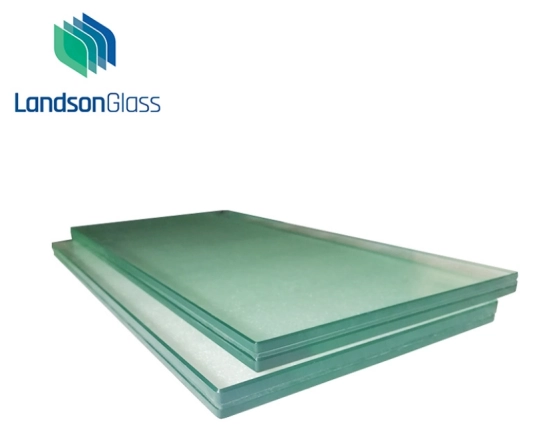
Don’t let the interlayer disappear from the order description. When comparing acoustic and standard laminated glass, you’re also choosing the layer bonded between the sheets. The acoustic version is designed to damp vibration. An order that says only “laminated” leaves that choice unresolved.
Why Can Acoustic Glass Disappoint After Installation?
Two details can undo an otherwise sensible glass choice.
Fresh Air with the Window Shut
A closed-window result has limited value if residents have to leave the window open every warm night. Resolve ventilation while choosing the glazing.
An acoustic vent needs evidence at the airflow the room requires. For more exposed flats, a designed mechanical ventilation solution may be appropriate. Blocking existing vents isn’t an acceptable shortcut.
Gaps Around the Frame
Give the installer clear sealing details around the frame. At handover, open and shut the sash yourself. Look at the corners and the joint with the wall. A patch of unfinished sealing is worth sorting out before anyone debates a different glass specification.
We would put money into fixing an obvious leak before paying for another small improvement in a glass-only rating. Where the project requires a completion survey, assess the finished room with its intended ventilation operating.
What Should You Send for an Acoustic Glass Quote?
Ready to compare glass options? Send us the window schedule and the acoustic target for the flat. Include the proposed build-up and any frame-depth limits. A photograph of the existing opening helps clarify whether the project involves replacement glazing or a separate inner window.
Tell us which rooms face the road and what test evidence the specification requires. That gives the glass quotation a useful starting point: the room you’re trying to improve.
FAQ (häufig gestellte Fragen)
Will Acoustic Glass Stop Noise from the Flat Upstairs?
For footsteps overhead, the window is the wrong place to spend the money. Impact noise can travel through the floor and adjoining structure. The investigation belongs there, even if the flat also has noisy windows.
Is Triple Glazing Always Quieter Than Double Glazing?
No. Pane count doesn’t settle acoustic performance. If the triple-glazed quote costs more, ask what its test results show for your noise source. Without that comparison, the extra pane hasn’t earned its place.
Can New Acoustic Glass Fit an Existing Frame?
Sometimes, but the rebate has to be deep enough and the hardware must carry the weight. Have the installer inspect the seals too. Keeping a distorted sash just to save the frame can waste the glass upgrade.
How Much Does Acoustic Glazing Cost for a London Flat?
A pane price won’t tell you the cost of the job. Access can change the installation cost substantially. Ask what’s included in removal and making good, then check whether the ventilation work is in the same quote.