

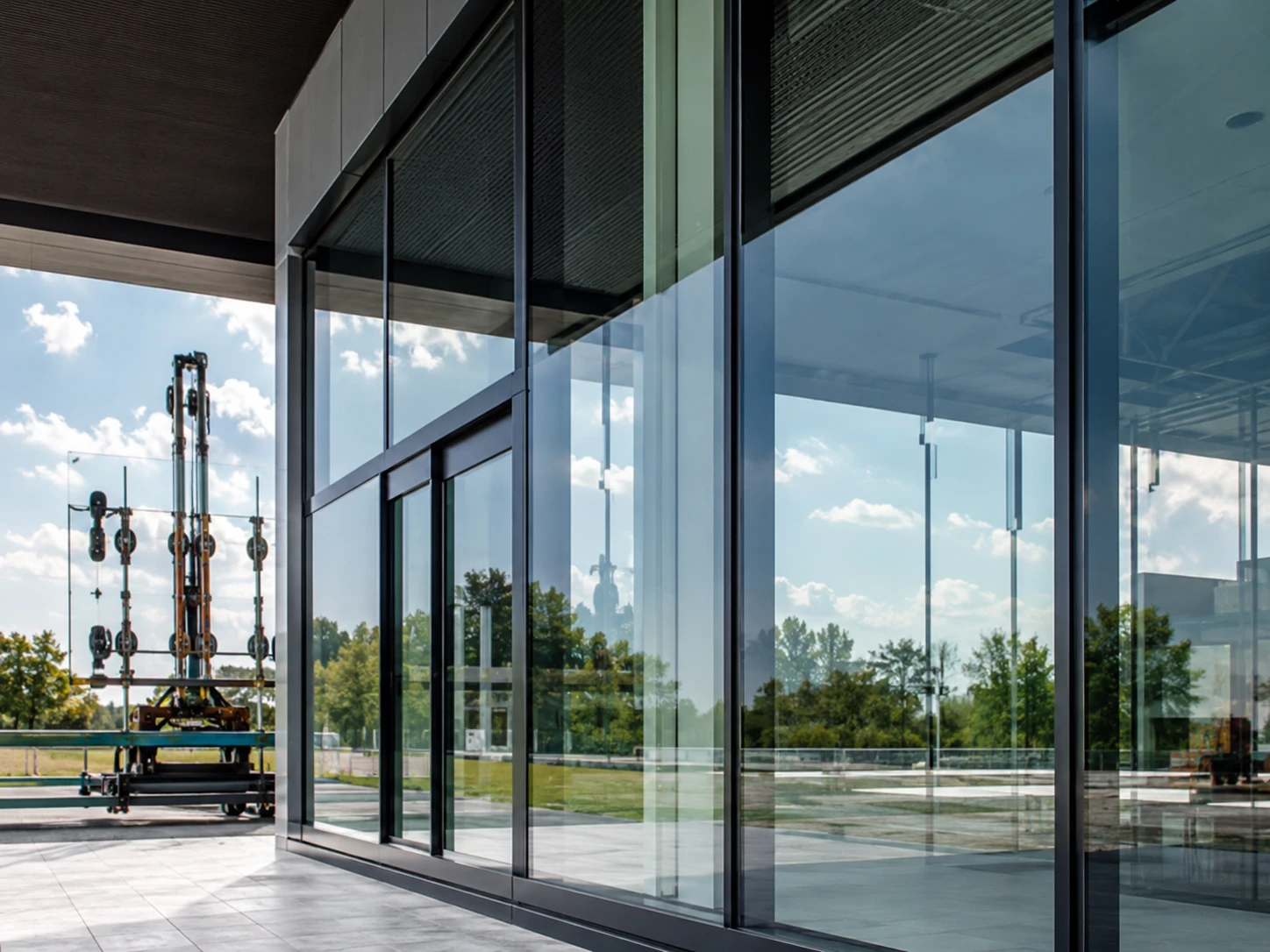
Moderne Gebäude benötigen Glas, das nicht nur gut aussieht, sondern auch unter Belastung widerstandsfähig ist. Viele Architekten haben schon erlebt, wie gehärtete Glasscheiben ohne erkennbaren Grund brechen. Dies geschieht oft ohne Vorwarnung oder Aufprall. Die Lösung ist wärmebehandeltes Glas. Es handelt sich um eine verbesserte Version von gehärtetem Sicherheitsglas, das zusätzlichen Tests unterzogen wird, um versteckte Mängel aufzudecken. Wenn Sie die Funktionsweise dieses Glases verstehen, können Sie die richtigen Materialien für jedes Projekt auswählen, bei dem Sicherheit höchste Priorität hat.
Was ist hitzegetränktes Glas?
Hitze getränktes Glas Es handelt sich um eine spezielle Art von gehärtetem Sicherheitsglas. Es durchläuft einen zweiten Erhitzungsschritt, den sogenannten „Wärmebehandlungstest“. Dabei verbleibt das Glas in einem kontrollierten Ofen bei hoher Temperatur. Ziel ist es, alle Scheiben mit Nickelsulfid-Einschlüssen zu finden und zu zerbrechen.
Die Temperatur bleibt mehrere Stunden lang bei etwa 290–300 °C. Dieser einfache Schritt hilft, fehlerhaftes Glas zu erkennen, bevor es das Werk verlässt. So wird sichergestellt, dass defekte Teile im Ofen und nicht auf der Baustelle ausfallen.
Die Wissenschaft hinter dem Hitzebehandlungsprozess
Nickelsulfid-Einschlüsse sind sehr kleine Metallpartikel. Sie können während der Glasherstellung in das Glas gelangen. Beim Vorspannen des Glases verändern sich diese Partikel, bleiben aber instabil. Später können Hitze oder Kälte ihr Wachstum fördern. Dieses Wachstum erzeugt einen Innendruck, der zu einem plötzlichen Bruch führen kann.
Durch das Erhitzen wird diese Veränderung frühzeitig herbeigeführt. So läuft die Arbeit üblicherweise ab:
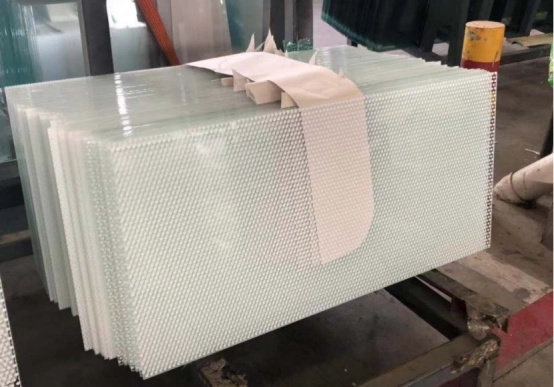
- Beladung: Arbeiter legen gehärtete Glasscheiben in einen Spezialofen. Sie verwenden Roste, um zwischen den Scheiben Abstand zu halten, damit die Luft zirkulieren kann.
- Aufheizen: Die Ofentemperatur steigt langsam auf etwa 290–300 °C an. Sie bleibt ungefähr zwei Stunden lang auf diesem Niveau.
- Einweichzeit: Während dieser Zeit zerbricht Glas mit Nickelsulfid-Einschlüssen wahrscheinlich im Ofen. Dadurch wird verhindert, dass diese in Ihr Gebäude gelangen.
- Abkühlung: Nach dem Test kühlen die einwandfreien Paneele langsam ab. Anschließend werden sie geprüft und für den Versand verpackt.
| Parameter | Typischer Bereich | Zweck |
| Heiztemperatur | 290°C – 300°C | Die schwachen Glasscheiben betonen |
| Dauer | 2 – 4 Stunden | Lassen Sie die Einschlüsse vollständig wachsen |
| Abkühlungsrate | Langsam und stetig | Vermeiden Sie es, neue Spannungen zu erzeugen. |
Dieser Ofentest simuliert jahrelange Wetterveränderungen in nur wenigen Stunden. Er stellt sicher, dass im Bauwesen nur das stabilste Glas verwendet wird.
Warum hitzebehandeltes Glas für Sicherheitsprojekte wichtig ist
Die Verwendung dieses Glases hat einen großen Einfluss auf die Sicherheit und Langlebigkeit eines Gebäudes.
Verringerung des Risikos eines spontanen Bruchs
An hohen Gebäuden oder großen Glasfassaden stellt eine zerbrochene Scheibe eine erhebliche Gefahr dar. Sie kann Passanten und Personen im Inneren verletzen. Durch die Vorbehandlung mit Hitze wird diese Gefahr verringert, indem beschädigtes Glas frühzeitig aussortiert wird. Tests zeigen, dass dadurch plötzliche Glasbrüche im Vergleich zu herkömmlichem Einscheiben-Sicherheitsglas um bis zu 95 % reduziert werden können. Bei Oberlichtern oder Glasdächern stellen herabfallende Glassplitter ein großes Risiko dar. Aus diesem Grund schreiben viele Bauvorschriften die Verwendung von vorbehandeltem Sicherheitsglas vor.
Verbesserung der strukturellen Zuverlässigkeit und der Projektlebensdauer
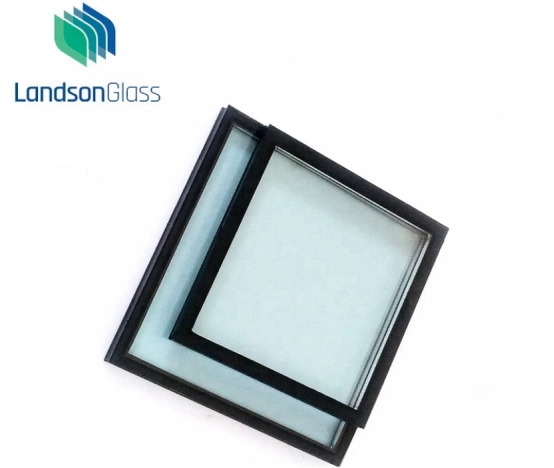
Eine Wand aus hitzebehandeltem Glas ist besonders langlebig. Jedes einzelne Element wurde vor der Verwendung strengen Tests unterzogen. Dadurch ergeben sich auch weniger Garantieprobleme. Diese Paneele eignen sich zudem hervorragend für Verbund- oder Isolierglas. Sie erhalten stoßfestes und energiesparendes Glas, das gleichzeitig ästhetisch ansprechend ist.
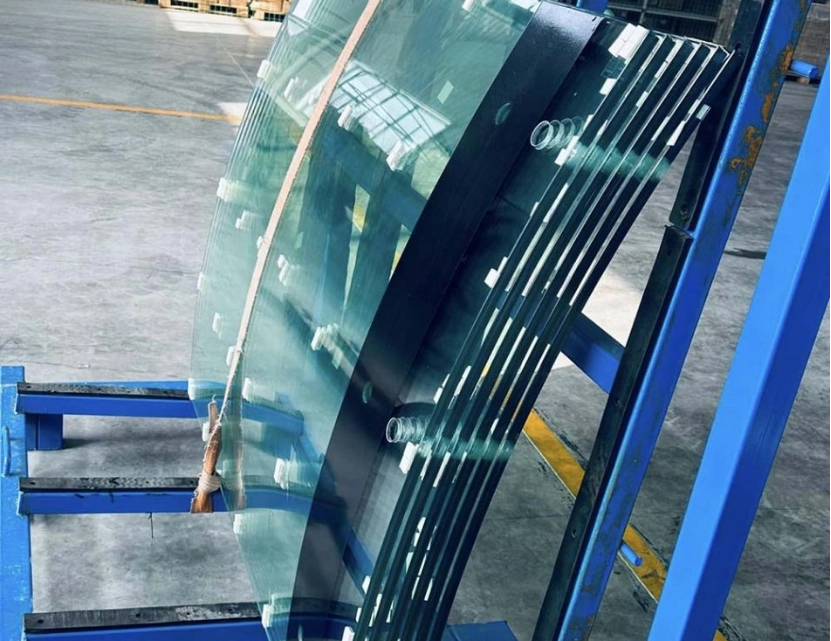
Anwendungen von wärmebehandeltem Glas in Architekturprojekten
Weil es so zuverlässig ist, wird dieses Glas heute auf vielfältige Weise eingesetzt.
Verwendung in Fassaden- und Vorhangfassadensystemen
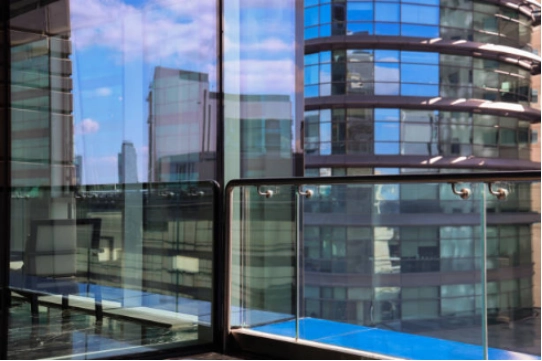
Große Glasfassaden sind starker Sonneneinstrahlung, heftigen Winden und Temperaturschwankungen ausgesetzt. Wärmebehandeltes Glas hält diesen Belastungen besser stand als herkömmliches Sicherheitsglas. Dies liegt daran, dass die Schwachstellen während der Tests identifiziert und beseitigt wurden.
Bei Gebäuden, die LEED- oder BREEAM-Punkte anstreben, verwenden Planer häufig dieses Glas. Sie kombinieren es mit Wärmedämmschichten, um sowohl Sicherheit als auch Energieeinsparungen zu erzielen.
Integration in Balustraden, Oberlichter und Vordächer
Glas, das über Köpfen verwendet wird, muss sehr hohen Sicherheitsstandards entsprechen. Im Falle eines Bruchs dürfen die Splitter nicht herabfallen und Verletzungen verursachen. Die Verwendung von wärmebehandelten, gehärteten Glasscheiben verringert dieses Risiko. Dadurch können Projekte Normen wie EN 12150 oder ASTM C1048 für Überkopfglas erfüllen.
Auch Glasgeländer oder Balustraden sind von Vorteil. Sie sind sicherer in stark frequentierten Bereichen, wo man leicht dagegenstoßen könnte.
Implementierung in Türen-, Fenster- und Trennwandsystemen
Moderne Büros nutzen häufig Glaswände und -türen, um helle und offene Räume zu schaffen. Architekten bevorzugen für diese Räume transparente Sicherheitsglasscheiben. Die Wahl wärmeisolierter Varianten gewährleistet, dass diese Elemente auch bei täglicher Nutzung und Temperaturschwankungen im Büro sicher bleiben.
Vergleich von wärmebehandeltem Glas mit anderen Sicherheitsverglasungsoptionen
Jedes Projekt ist anders, deshalb ist es hilfreich, seine Möglichkeiten zu kennen.
Gehärtetes Glas vs. hitzebehandeltes gehärtetes Glas
Beide Verfahren beginnen gleich. Standard-Sicherheitsglas wird jedoch nicht zusätzlich geprüft. Hitzebehandeltes Glas durchläuft einen zweiten Brennvorgang im Ofen, um versteckte Mängel aufzuspüren. Für Gebäude in der Nähe von stark befahrenen Straßen oder Bahnhöfen ist die hitzebehandelte Variante in der Regel die beste Wahl.
Verbundsicherheitsglas vs. wärmebehandeltes Glas
Laminiertes Sicherheitsglas Es besitzt eine Kunststoffschicht (wie PVB oder SGP), die die Teile im Falle eines Bruchs zusammenhält. Es eignet sich hervorragend, um Glas an Ort und Stelle zu halten. Die Hitzebehandlung hingegen versucht, einen Bruch von vornherein zu verhindern. Viele hochwertige Projekte kombinieren beide Verfahren. Sie verwenden Verbundglas aus hitzebehandeltem Sicherheitsglas für optimalen Schutz.
Qualitätsstandards und Prüfkonformität für wärmebehandeltes Glas
Die Norm EN 14179 ist die wichtigste Vorschrift für die Herstellung dieses Glases. Sie regelt das Erhitzen der Öfen und die anschließende Glasprüfung. In Nordamerika gibt ASTM C1048 die Richtlinien für Qualität, Dicke und Kennzeichnung des Glases vor. Die Einhaltung dieser Vorschriften gewährleistet, dass das Glas in nahezu allen Ländern die Prüfungen besteht.
Die Arbeiter prüfen das Glas mit Speziallampen auf Spannungen oder Beschädigungen. Moderne Fabriken nutzen zudem Computer, um die Temperatur jeder einzelnen Charge zu überwachen. Diese Daten belegen, dass jedes Glasstück ordnungsgemäß geprüft wurde.
Auswahl eines zuverlässigen Lieferanten für Projekte mit wärmebehandeltem Glas
Der richtige Partner sorgt dafür, dass Ihr Design in der Praxis funktioniert. Sie sollten nach einem Unternehmen suchen, das Folgendes bietet:
- Echte technische Kompetenz und zertifizierte Labore.
- Große Öfen, die auch große Glasstücke aufnehmen können.
- Optionen für individuelle Kantenbearbeitung oder Spezialbeschichtungen.
- Nachweis, dass sie die Normen EN 14179 und ASTM C1048 einhalten.
Diese Eigenschaften gewährleisten, dass Sie jedes Mal gutes Glas erhalten, selbst bei sehr großen oder komplexen Bestellungen.
Warum eine Partnerschaft mit Landson Glass
Landson Glas Wir verfügen über langjährige Erfahrung in der Betreuung internationaler Bauunternehmen und Glaseinkäufer. Unsere Fabrik ist mit modernsten Wärmebehandlungsöfen ausgestattet, die den EN-Normen entsprechen. Selbst die sehr großen Glasformate moderner Vorhangfassaden können wir damit verarbeiten. Das Team von Landson Glass legt größten Wert auf strenge Qualitätskontrollen.
Wir prüfen jeden Schritt, vom Rohmaterial bis zum fertigen Produkt. So stellen wir sicher, dass jede Scheibe sicher, klar und sofort einsatzbereit ist. Dank pünktlicher Lieferung und individueller Optionen wie getöntem Glas oder polierten Kanten ist Landson Glass der ideale Partner für jedes Projekt, das sowohl ästhetische als auch sichere Eigenschaften erfordert.
Häufig gestellte Fragen
Frage 1: Was verursacht spontanen Glasbruch bei gehärtetem Glas?
Sie wird üblicherweise durch Nickelsulfid-Einschlüsse verursacht, die bei Temperaturänderungen wachsen.
Frage 2: Wie effektiv ist der Hitzesocktest?
Es ist sehr effektiv. Es kann bis zu 95 % aller Glasbrüche verhindern, indem es defektes Glas vor dem Einbau erkennt.
Frage 3: Ist wärmebehandeltes Glas überall vorgeschrieben?
Es ist zwar nicht überall gesetzlich vorgeschrieben, aber für Glasdächer oder -wände in öffentlichen Bereichen ist es oft erforderlich.
Frage 4: Kann Verbundglas hitzebehandelte Sicherheitsglasscheiben ersetzen?
Verbundglas hält die Bruchstücke zwar zusammen, verhindert aber nicht den Bruch. Die Verwendung beider Materialien ist die sicherste Lösung.
Frage 5: Welche Normen gelten für die Herstellung von wärmebehandeltem Glas?
Die gebräuchlichsten sind EN 14179 und ASTM C1048.