


People discuss insulated glass units and vacuum glass more often today. This happens because building rules demand better energy savings. Both options help builders reach a shared target. They improve indoor temperature control. At the same time, they lower harm to the environment.
What Is an Insulated Glass Unit (IGU)?
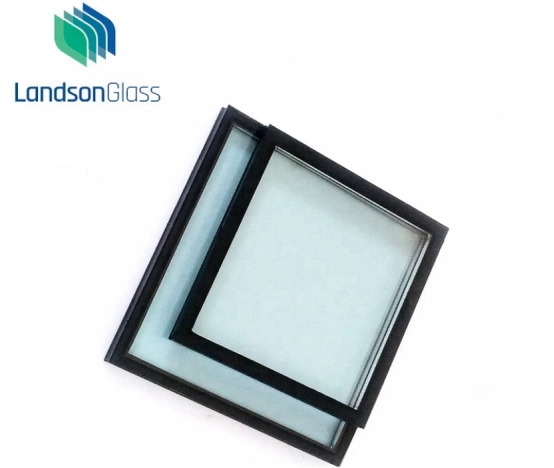
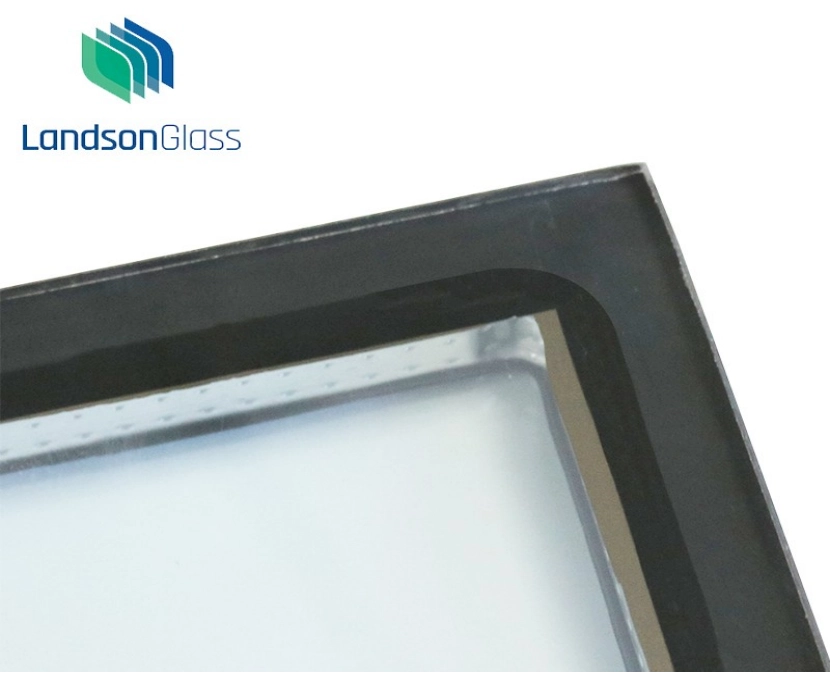
An insulated glass unit is usually called an IGU. Workers build it using two or more glass panes. A spacer keeps these panes apart. Then, the edges get sealed tightly. This creates one solid piece. The empty space inside holds special gases. Most makers use argon or krypton. These gases slow down heat movement. Factories add low emissivity (low-e) coatings to the glass. These thin layers cover one or more sides. They bounce warm rays away. However, normal daylight still passes inside.
What Is Vacuum Glass and How Does It Work?
Vacuum glass takes a different approach. It removes the gas from the middle gap. Instead, it creates a near total vacuum between two thin glass sheets. This lack of air stops heat from moving around inside. Convection heat transfer basically disappears. Heat can only travel through the small spacers. Some radiation also moves between the glass faces. Because of this, vacuum glazing gets very low U-values. It works well even though the glass is quite thin.
How Do IGU and Vacuum Glass Contribute to Energy Efficiency?
Key measurements like U-value and SHGC show the true value of these products. They reveal how well the windows will act in actual building environments.
Comparing Thermal Performance: U-Value and SHGC Analysis
Looking at 2026 building rules, premium double or triple IGUs perform very well. They can hit U-values near 0.9 to 1.1 W/m²·K. The exact number depends on how they are built. Vacuum glass takes that performance even further. It can drop the U-value below 0.5 W/m²·K. That represents roughly half the normal heat loss. Yet, the solar heat gain coefficient (SHGC) plays a huge role too. If the SHGC drops too far, a building loses free winter sun heat. If it goes too high, air conditioning works much harder during summer. Building designers need to weigh insulation against natural lighting needs. They should not just hunt for the absolute smallest U-value.
Acoustic Insulation: Which Performs Better?
Blocking outside noise relies on heavy materials, wide gaps, and special soft layers. Laminated IGUs use thick glass or special sound blocking films. They block street noise incredibly well. This makes them perfect for busy city buildings near loud roads. Vacuum glass acts in a completely different way. The strong pressure difference inside the panel stops many vibrations. However, it might fail to block deep, low frequency noises. Multi-pane IGUs handle those deep sounds much better. Sometimes, peace and quiet matter more than saving heating energy. For places like hotels or hospitals, laminated IGUs usually stand as the more reliable option.
Durability, Maintenance, and Lifespan Considerations
Product toughness decides if lab test results will actually hold up. The windows must survive many years of tough weather.
Long Term Reliability of IGUs in Harsh Climates
Wet climates and strong sunlight can hurt window seals over time. When the seal breaks down, water vapor sneaks into the inner space. If fog shows up inside the glass, the insulation power falls apart quickly. Building owners should check the edge seals often. Good water drainage inside the metal frames helps a lot too. These simple steps make the windows last much longer. A lifespan of 20 years is very normal with good care.
Are Vacuum Glass Panels Built to Last?
Vacuum glazing deals with a totally different challenge. Keeping the edge seals strong over time is another tough task for any manufacturer. It must keep its internal vacuum strong for decades. Tiny, invisible leaks can ruin the window’s power after a few years. Every manufacturer is testing new ways to seal the edges safely.
Cost Efficiency and ROI for Building Projects in 2026
Money matters usually dictate the final choice for a project. Pure technical scores rarely make the final decision alone.
Initial Investment vs Operational Savings
IGUs stay much cheaper to buy and put into buildings. Their global supply chains run very smoothly today. On the other hand, vacuum glass costs about two or three times as much per square meter. However, it brings bigger savings on monthly utility bills. This is true for places that need heavy heating or air conditioning all year. Think about freezing areas like northern Europe or Canada. Over a span of 10 to 20 years, the extra cost might pay for itself. This depends heavily on energy prices staying high. In milder places, the financial math makes less sense.
How Project Scale Influences Material Choice
Huge office buildings normally rely on trusted IGU systems. These units are easy to swap out. Construction teams already know exactly how to handle them. Smaller home upgrades tell a different story. Old historic houses need very thin window glass. Vacuum glazing fits perfectly into those classic wooden frames. It easily meets strict modern energy rules at the same time. Also, local stock plays a big part in the choice. If no nearby factory makes vacuum panels, shipping them from far away will drive up the final price.
Which Glass Type Is More Suitable for Energy Efficient Buildings?
The right answer relies entirely on the local climate plan. A single perfect solution does not exist for every building.
Factors to Consider Before Choosing Between IGU and Vacuum Glass
Which way the building faces controls how much sun hits the glass. City laws set the basic rules for energy saving. Available money restricts how much builders can try new things. Sometimes, projects use smart glass tech like electrochromic shading. This special feature might make IGUs the better pick. IGUs easily accept these complex coatings during the normal factory process.
The Future Outlook: Where Is the Market Heading by 2026?
Every manufacturer is solving old problems very quickly right now. New hybrid ideas put a vacuum space inside a standard multi-pane window. This clever mix offers the best features of both styles. Buyers should expect thinner and much tougher glass panels very soon. They will become common in building plans as global factories build more units.
Landson Glass Insights on Sustainable Glazing Solutions
Landson Glass focuses deeply on making premium insulated glass units. We build these specifically for major building designs around the world. The company pushes hard for fresh ideas. These ideas match top green building standards like LEED and BREEAM. Landson Glass works closely with building designers and building crews.
Standard insulated glass units continue to get better every year. We use improved surface coatings and better gas fills. Careful factory work makes a huge difference too. Progress does not force us to throw away proven methods. Instead, we can just improve them to reach net zero energy targets.
FAQ
Q1: Can vacuum glass replace triple glazed IGUs completely?
Not right now. Strict size limits and high prices slow it down. Triple glazed IGUs remain very strong choices for massive building fronts.
Q2: How long do insulated glass units typically last?
They last roughly 20 years if you care for the edges well. After that time, you might start seeing some real wear and tear.
Q3: Are there hybrid products combining both technologies?
Yes, they certainly exist. A few test models place a vacuum gap right in the middle of standard glass panes. This setup mixes light weight with amazing heat control.
Q4: Which option provides better condensation resistance?
Vacuum glazing wins this contest easily. It holds almost zero wet air inside. However, it demands a flawless edge seal for its entire working life.