

Architects and engineers have argued about tempered glass and laminated glass for many years. Both materials have clear structural and visual roles. However, they act very differently when facing physical pressure, hard hits, and weather conditions. In 2026, building rules are focusing more on green practices and safety. Knowing these differences is not just a technical need anymore. Instead, it is a key design choice.
What Makes Tempered Glass Unique?
People also call tempered glass toughened glass. In real-world use, tempered glass does very well during impact tests. It can handle physical force much better than regular annealed glass of the exact same thickness. Factories produce it using careful heat or chemical methods.
These steps greatly boost its toughness compared to normal float glass. The process involves warming the glass and then cooling it quickly. This action builds inner tension. As a result, the surface gets much tighter and stronger.
How Is Laminated Glass Made?
Laminated glass features two or more glass sheets. A sticky middle layer binds these sheets together. Usually, this middle part is PVB (polyvinyl butyral) or EVA (ethylene-vinyl acetate). If something hits or cracks the glass, the broken bits stick to that inner layer. They do not fly all over the place.
This layered setup offers extra benefits as well. For example, laminated glass can block harmful UV rays. It also cuts down on loud noises. Plus, it boosts security against break-ins.
Evaluating Performance: Which Glass Type Fits Commercial Buildings Better in 2026?
Picking between tempered and laminated glass relies on how a building deals with its local setting. High wind forces at the top, people walking near the bottom, and heavy sun exposure all play a big role in this choice.
Strength and Impact Resistance Comparison
Tempered glass is still the best for raw physical strength per millimeter of thickness. It fights off bending forces very well. But, it fails completely when it gets too much weight. Laminated glass acts in a different way. It takes in the force of a hit through its inner layer. At the same time, it holds most of the broken pieces in place. This clear fact makes it much safer for glass roofs or large front panels where falling pieces create real danger.
In places that have earthquakes or huge wind storms, laminated setups offer an extra backup. The glass structure stays whole long enough for people to leave safely or for workers to fix it. For smaller shops or inside uses where swapping glass is simple and cheap, tempered panels are still a very smart pick.
Safety and Security Considerations
Safety rules are changing very fast right now. By 2026, city building laws might strongly prefer laminated options for key spots like main halls or tall building fronts. This is because laminated glass stays in place after it breaks. Tempered glass gives fast safety when it shatters, but it cannot stop big holes from opening up. Laminated types keep the space closed off even when they crack badly. This is a vital trait to stop bad injuries from falling glass bits in busy public zones.
Security windows also get a big boost from laminated designs. The multiple thick layers fight off break-in attempts much longer than single pieces of tough glass.
Energy Efficiency and Acoustic Control in Modern Architecture
As new buildings get smarter and more green, windows now have jobs beyond just letting people see outside. They must help save power and keep people comfortable inside.
Does Laminated Glass Improve Energy Savings?
Laminated units can include special low-emissivity coatings or sun-blocking films right inside their middle layers. This setup helps to stop heat from moving through the glass. This smart design cuts down on cooling needs during hot summer days. It also keeps warm air inside during cold winter months. For giant glass walls that face the sun directly, these setups lead to real, clear energy savings over many years.
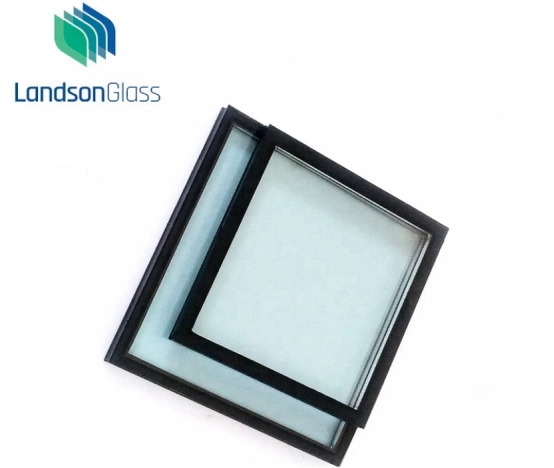
Tempered glass on its own does not have this helpful multi-layer setup. To get these benefits, it must be put together with double-glazed units that have their own separate coatings.
How Does Each Type Perform in Noise Reduction?
Noise blocking is another key area where laminated glass shines brightly. The thick, flexible nature of PVB slows down sound waves moving through the window. This causes a clear drop in loud noise levels. This is a very important point for hotels close to airports or busy offices next to noisy streets. Tempered panels offer very little sound blocking unless you pair them with extra window layers.
Design Flexibility and Aesthetic Options for Architects and Developers
Toughened panels arrive in many different thicknesses, colors, coatings, and smooth surface styles. They are perfect when clear, clean views matter the most. You see them in doors with no frames or simple rooms where clear glass makes the space feel open.
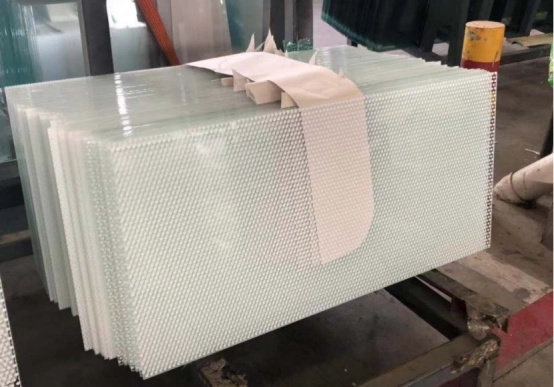
Laminated setups give designers more room to try new ideas. They can use bright colored middle layers for company logos. They can put digital pictures between the glass sheets for nice art walls. Builders use them not just as plain walls, but as clear ways to show a brand’s style and purpose.
Cost Efficiency and Long-Term Value Assessment
Money matters always guide the final choices on any big building plan looking ahead to 2026.
Which Option Offers Better ROI for Commercial Projects?
Tempered glass costs less at the start. This is because it has a simpler making process and uses fewer materials for each section. But, every single break means you must buy a total replacement. The broken pieces cannot do their job anymore. Laminated systems have higher starting prices. However, they offer a much longer working life. They bring better toughness and meet new, strict safety rules. These clear facts lead to a much better return on the money spent over many years of daily use.
The great noise-blocking benefits alone can make the higher cost worth it. This is very true for top-level office projects trying to get green and comfort awards like WELL or LEED rules.
Maintenance and Lifecycle Considerations
Both glass types need very similar daily cleaning steps. However, laminated glass edges need a good seal against water. This stops the layers from coming apart over a long time. Good frame planning fixes most of these small problems easily before the glass goes up. When looking at the whole life of the glass, including how often it needs replacing, laminated fronts usually win. They keep their strength well after small hits or bad acts of damage.
Choosing the Right Glass Manufacturer for 2026 Projects
Picking good material quality means picking strong making skills too. A highly skilled manufacturer that knows both tempered and laminated ways ensures the glass meets strict global rules. Examples include the EN12150 rule for tough safety glass or EN14449 for layered setups. Top-level factories allow for very exact control during the heat and gluing steps. This is deeply important when huge glass panels cover many meters across a tall building.
A trusted manufacturer like Landson Glass gives helpful technical advice during the whole design phase. They balance strong performance needs with good looks. At the same time, they keep project costs in check for big commercial jobs planned for 2026’s tighter safety rules.
FAQ
Q1: Can tempered glass be converted into laminated later?
No. Once the glass is tempered, cutting or drilling it is totally impossible without breaking it. The gluing step must happen before the high heat treatment if you want mixed benefits.
Q2: Is laminated glass heavier than tempered?
Yes. The extra glass sheets and middle layers add more weight. This extra weight changes how the frames must be built, but it also improves the noise-blocking power.
Q3: Which type offers better UV protection?
Laminated types stop up to 99% of harmful UV rays. This depends on the exact middle layer used. It is perfect for keeping inside furniture safe from losing its bright color.
Q4: Are both suitable for fire-rated applications?
Neither works for fire safety by default. Special fire-safe laminated glass does exist. It uses unique middle layers made just for fire-rated walls. These go far beyond normal safety glass needs.