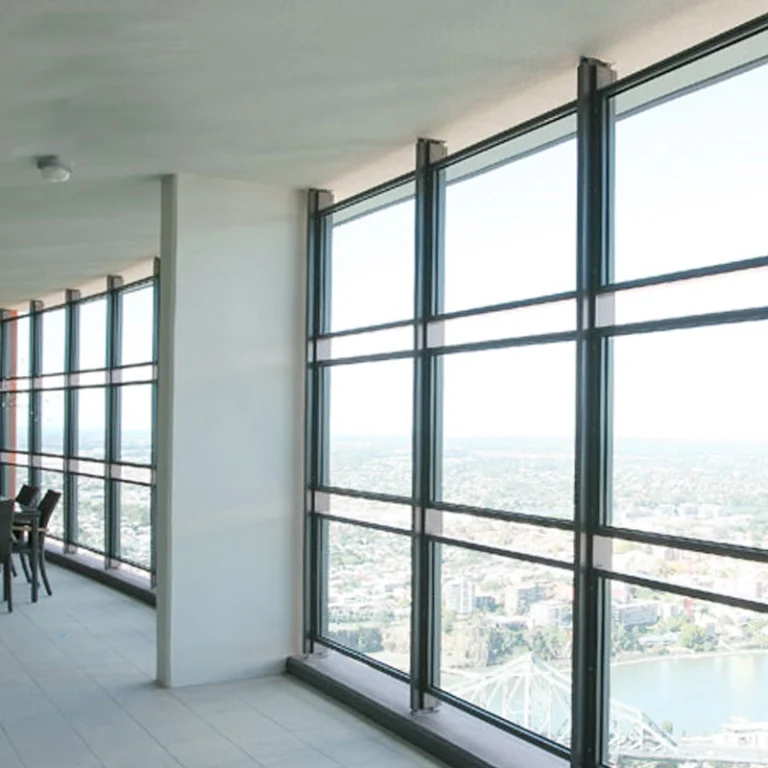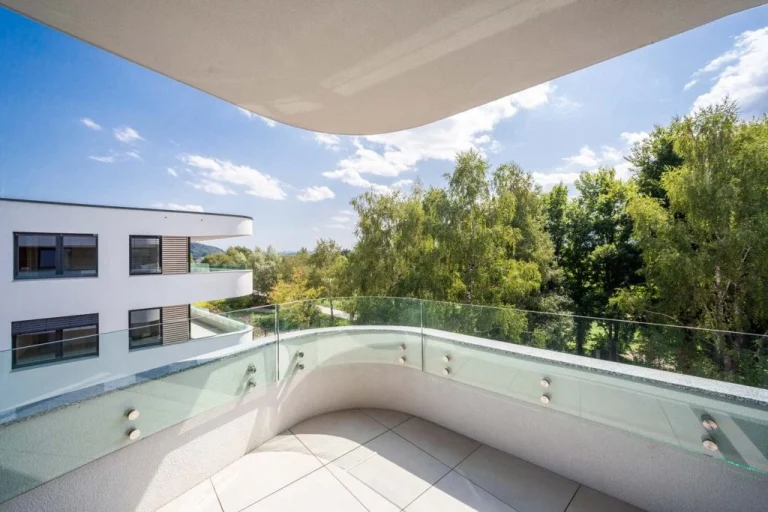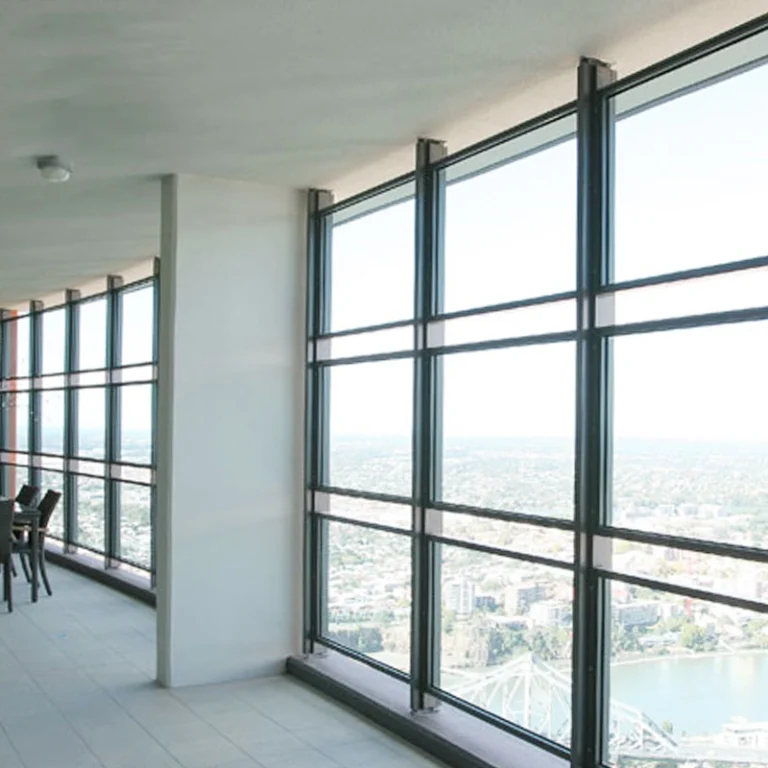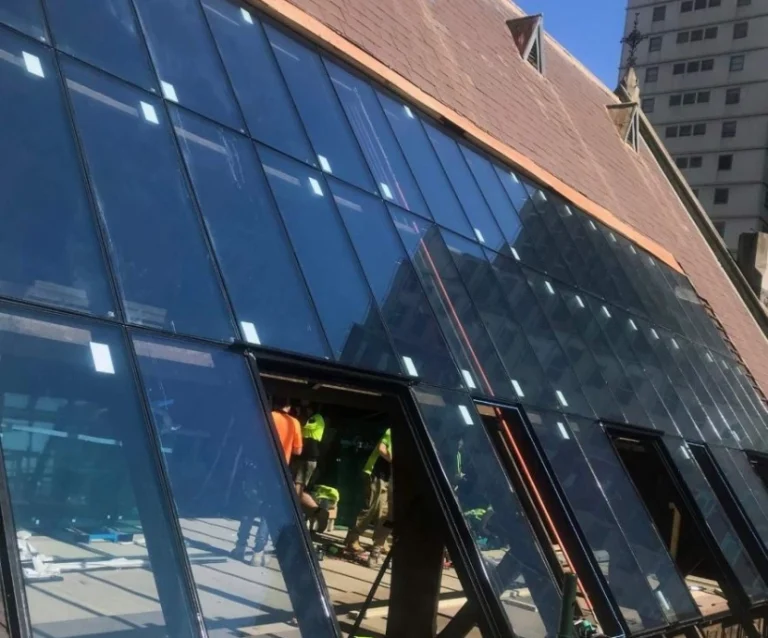


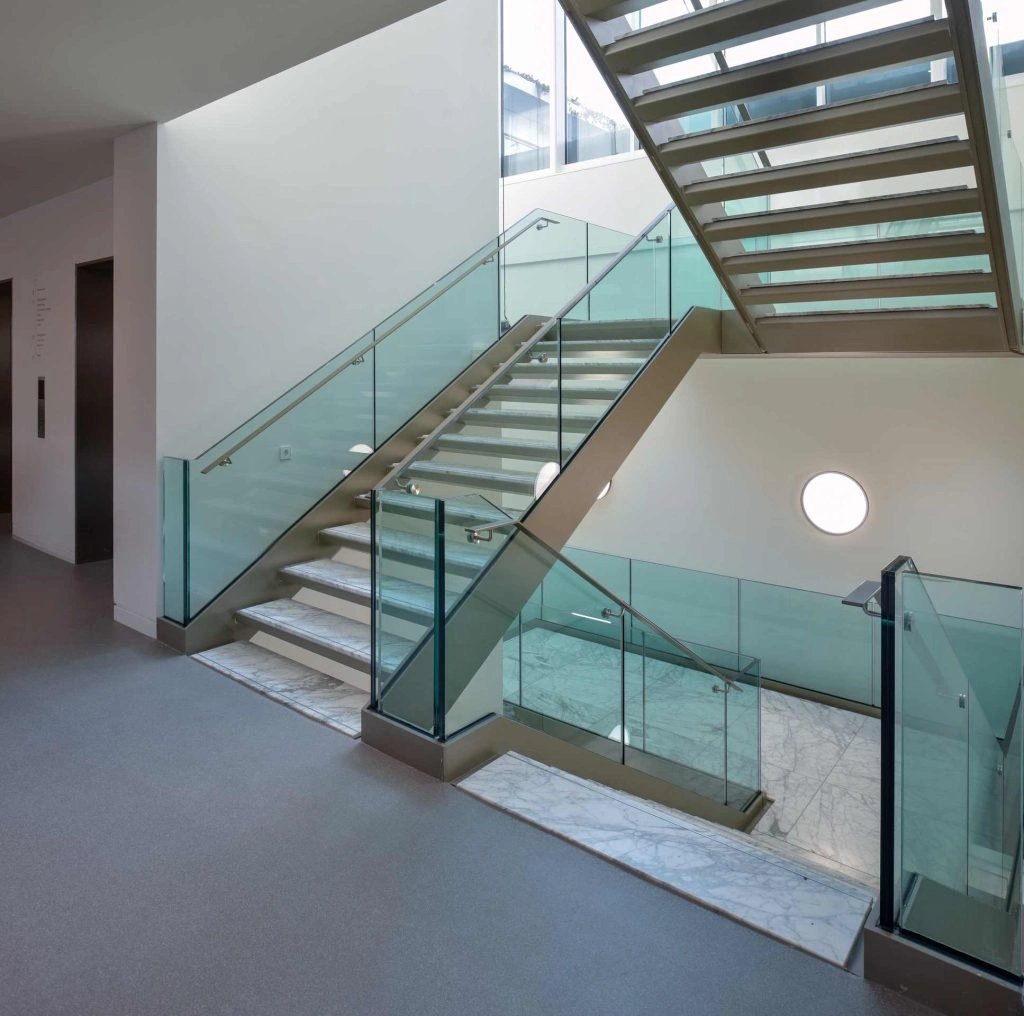
Glass balustrades have become a key part in modern home design. They boost light spread, increase safety, or add to simple looks. These clear guards bring both style and usefulness. Their flexibility lets them fit on stairs, balconies, patios, upper floors, and by pools. The main thing is picking the correct glass kind, fixing method, and surface to match each spot.
Glass Panel Staircase Applications
Enhancing Aesthetic Appeal in Interior Staircases
Adding glass balustrades to inside stairs is a choice that quickly updates a room. Their see-through quality keeps views open. This makes areas feel bigger and more linked. It helps a lot in houses with open layouts or little sunlight.
Systems without frames or with small frames work well with old wooden steps and new floating ones. No obvious supports make a neat appearance. This highlights other stuff like wood patterns, tile feels, or metal shines. It works for new houses too. But also, updates can refresh old homes without big changes to the building.
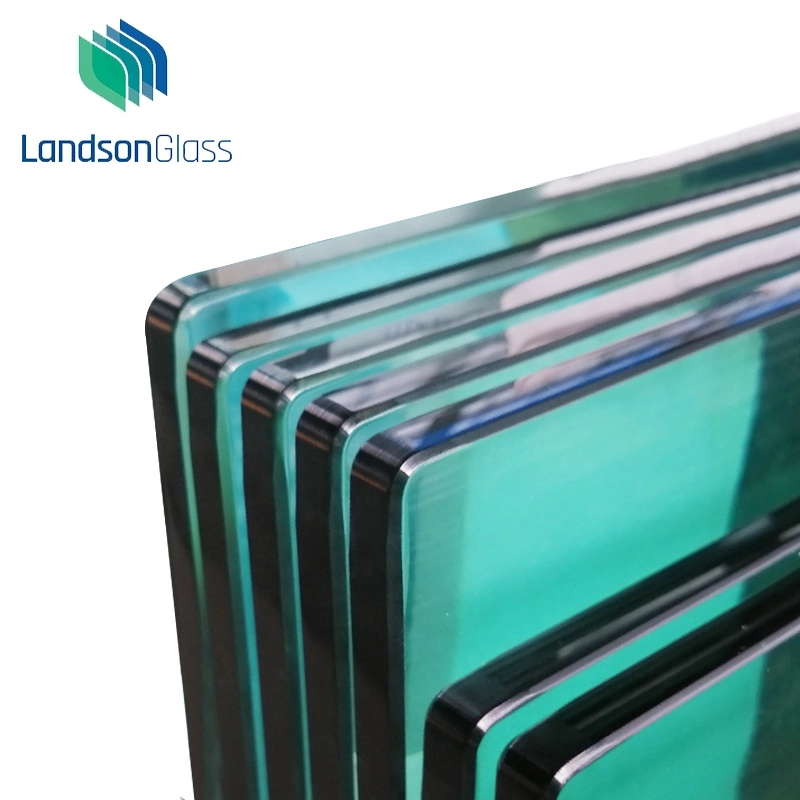
Landson Glass, as a professional building glass manufacturer, offers customizable toughened glass panels tailored for staircase balustrades, ensuring both elegance and safety.
Structural Considerations for Staircase Installations
From a safety view, not every glass works the same. For staircase balustrades, you need toughened or laminated safety glass to follow rules. These types handle strong hits and heat stress well.
Good fixing setups are vital. You might fix them on the side with steel clamps or at the bottom with channel shapes. Often, you add handrails to meet rules for stopping falls. Plus, the strength needs to handle normal home use. People lean on rails, or kids play close by. These happen every day.
Frameless Glass Juliet Balconies
Advantages of Frameless Designs in Upper-Level Rooms
A frameless glass Juliet balcony is a quiet but big change for rooms up high. It keeps things safe while giving a clear view through tall doors or windows. This setup suits bedrooms that look out on nice views or city skies.
Besides boosting the link between inside and outside, these balconies keep the building’s front even. Old metal rails can add bulk that messes up the design balance. But frameless glass blends in instead.
It offers a minimalist and sleek design that pairs well with both modern and classical facades.
Safety Standards and Fixing Methods for Juliet Balconies
To handle wind and possible bumps, glass in Juliet balconies must follow rules on height and strength. Common ways to fix them include steel brackets in strong walls or channel setups in the frame.
You also think about heat growth in planning, especially for ones facing south with lots of sun. Laminated toughened glass adds extra safety. It stays together if it breaks.
Landson Glass supplies high-spec laminated safety glass with edge polishing options, ideal for Juliet balcony configurations where edge clarity matters.
Patio Glass Balustrades for Outdoor Living Spaces
Visual Continuity Between Indoor and Outdoor Areas
Putting glass balustrades on patios or decks stretches the living space in looks. Clear guards remove blocks in sight between inside spots and outside seats. This encourages a smooth way of living.
This flow works great when floors match across doors. It could be smooth concrete from kitchen to patio, or wood out to a deck. Glass rails make shifts feel normal.
Besides making space seem larger, they keep kids and pets safe on high decks without blocking yard sights. Open rails with little steel let owners enjoy outside more.
Material Selection for Weather Resistance and Durability
Outside setups face rain, sun rays, and temp changes. So, picking materials must focus on lasting power. Toughened glass often pairs with strong steel fittings to fight rust.
Coatings that block UV help stop color fade over time. Good drain systems at the bottom make sure water doesn’t sit near parts. This matters for long use.
Landson Glass offers custom-fabricated panels with anti-corrosion finishes and pre-engineered drainage compatibility suited for exterior balustrade projects.
Applications in Landings and Mezzanine Levels
Maximizing Light Flow in Multi-Level Interiors
In homes with many levels, upper spots and landings can seem shut off without smart plans. Glass balustrades open these areas. They let natural light go deeper into the house center.
Clear guards on landings help keep an open feel across floors. This is key in slim town homes or apartment lofts. They cut down on fake lights in the day and make things feel more airy.
It’s not only the glass. How you frame it, or don’t, affects light amount. Simple setups with clear toughened glass improve up-and-down links.
Design Options for Seamless Integration with Interior Architecture
Changing edge finishes and glass widths lets you match balustrades with current floor stuff. Wooden steps, tiled spots, or metal builds all have fitting styles.
Based on home themes, owners might pick no-frame systems for very new looks or part-frame ones for more shape. Landson Glass helps with this by offering made-to-fit glass services that fit design goals.
Their ability to deliver precision-cut panels with various surface treatments ensures seamless integration regardless of the design language.
Poolside and Indoor Water Feature Installations
Safety Without Compromising Visual Access to Water Elements
Near pools or inside fountains, safety guards are a must. But you don’t have to lose style. Glass balustrades give fall safety while keeping water spots in full view.
Unlike old fences or solid walls, open rails add a fancy touch that fits luxury homes. Parents watch kids from far away easily. And visitors see water without stops.
This clearness boosts relaxing vibes in health areas too. There, mood lights bounce off water framed by glass.
Maintenance Considerations in Humid or Chlorinated Environments
Lots of damp and chlorine call for fittings that don’t rust. Steel hardware made for wet spots lasts long. Special coatings cut down on care needs.
Normal cleaning stops water marks and buildup on glass. Coatings that push away water make this easier. They repel damp and oils. It’s a small upgrade for busy spots.
FAQ
Q1: What type of glass is safest for residential balustrades?
A1: Toughened or laminated safety glass is generally recommended as it meets building regulations for impact resistance.
Q2: Are frameless glass balustrades suitable for outdoor use?
A2: Yes, provided they use weather-resistant materials like marine-grade stainless steel and UV-stable coatings.
Q3: Can I install a glass balustrade on my existing staircase?
A3: Most likely yes; retrofitting is possible with proper structural assessments and anchoring solutions.
Q4: What is the typical thickness of residential glass balustrades?
A4: It ranges from 10mm to 21.5mm depending on load requirements and whether the installation is framed or frameless.
Q5: Do glass balustrades require regular maintenance?
A5: Occasional cleaning is needed to prevent buildup; hydrophobic coatings can reduce cleaning frequency.